Some books wound by spreading harm; others hurt by awakening truths, memories, and emotions we can no longer ignore.
A couple of years ago, I boarded an eight-hour flight to London. As I settled into my seat, I noticed a gentleman a few rows ahead holding a newly released copy of Prince Harry’s memoir. I gasped with curiosity and immediately asked what he thought of the book. Smiling, he explained that he had just purchased it at the airport and was intrigued by the prospect of learning some of the royal family’s closely guarded stories.
Books have the power to educate, inspire, challenge, and transform. They can also evoke hurt in different ways. Some promote hatred, damage reputations, or spread harmful ideas. Others awaken grief, revisit trauma, expose painful family experiences, or challenge readers and leaders to confront uncomfortable truths.
The books listed below offer examples of these different forms of hurt. Their inclusion does not necessarily mean that they were written to cause harm. Instead, they demonstrate how books can affect individuals, families, communities, and society, sometimes destructively, and at other times in ways that encourage reflection, healing, accountability, or change.
Here are 10 examples representing different ways books can cause hurt:
- Mein Kampf by Adolf Hitler
An example of writing that promotes hatred, antisemitism, racial superiority, and division. - The Protocols of the Elders of Zion
A fabricated antisemitic text that spread damaging conspiracy theories and contributed to hatred against Jewish people. - The Turner Diaries by William Luther Pierce
A violent extremist novel that promotes racial hatred and has been associated with real-world acts of violence. - Beloved by Toni Morrison
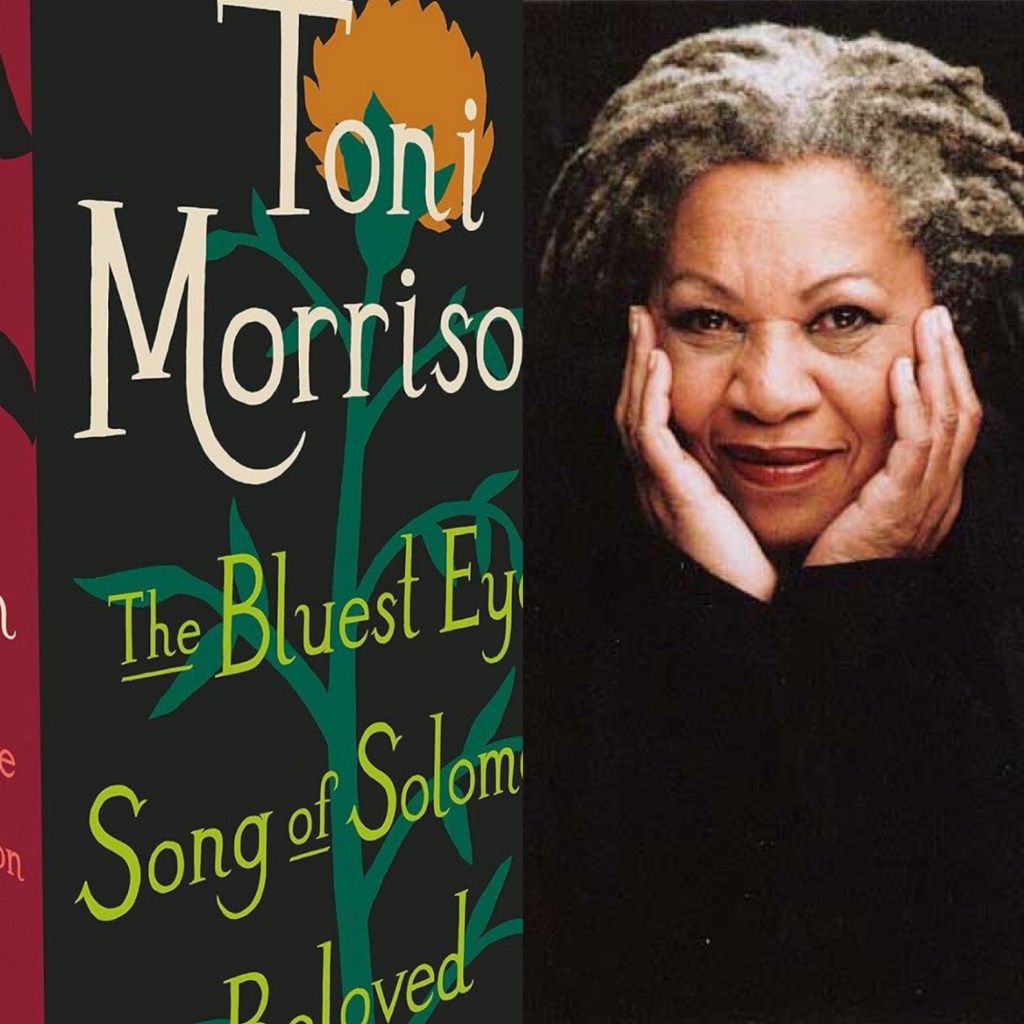
A powerful novel that can cause emotional pain by confronting slavery, trauma, motherhood, loss, and memories that refuse to disappear. Its pain has a purposeful, truth-telling function. - The Year of Magical Thinking by Joan Didion
A memoir about grief that may awaken melancholy, loneliness, and longing—particularly for readers who have lost someone close. - Spare by Prince Harry (2023)
Its disclosures about grief, family conflict, royal life, and private relationships may cause hurt to the writer, the people discussed, and readers experiencing similar family divisions. The publisher describes it as a work of “revelation, self-examination” and grief. Penguin Random House - I’m Glad My Mom Died by Jennette McCurdy (2022)
This memoir confronts parental control, childhood exploitation, eating disorders, and a complicated mother-daughter relationship. Its painful honesty may be liberating for some readers and distressing for others. Simon & Schuster - The Woman in Me by Britney Spears (2023)
Spears discusses fame, relationships, motherhood, lost autonomy, and her conservatorship. Such revelations may reclaim the author’s voice while also affecting the people whose actions and relationships are described. Simon & Schuster - Crying in H Mart by Michelle Zauner (2021)
A memoir about losing a mother, cultural identity, food, and grief. It can awaken melancholy and longing in readers who have experienced bereavement or fear losing their connection to family and culture. Penguin Random House - Know My Name by Chanel Miller (2019)
Miller recounts sexual assault, the legal process, trauma, identity, and healing. The book may reopen painful memories, but it also demonstrates how writing can help someone reclaim a story previously told by others. Harvard Kennedy School - My Safe Place Is With You by Dr. Shelly Cameron This inspirational book falls within the category of books derived from sadness and pain that ultimately guide the reader toward healing. It acknowledges seasons of vulnerability, uncertainty, loneliness, and longing while encouraging readers to find safety, comfort, and renewed hope through faith. Its words may awaken difficult emotions, but the hurt serves a restorative purpose, reminding readers that they do not have to face painful seasons alone.
Bonus: Two leadership books that create productive discomfort
11.Dare to Lead by Brené Brown
This book can “hurt” constructively by asking leaders to examine vulnerability, fear, trust, values, shame, and the ways they protect themselves from difficult conversations. Brené Brown
12. The Five Dysfunctions of a Team by Patrick Lencioni
It can be uncomfortable because leaders and teams may recognize their own absence of trust, fear of conflict, lack of commitment, avoidance of accountability, and inattention to results. The hurt comes from honest organizational self-recognition. The Table Group
These examples also demonstrate an important distinction. The first three can cause harm by promoting hate or violence, while others may cause pain by helping readers confront grief, trauma, history, and difficult truths.
Are there any books that you can falls into this category that you can recommend? Please share, we would love to hear.
Cheers!
Discover more from Success Strategies
Subscribe to get the latest posts sent to your email.
Share this:


