
5 Ways Readers Can Support Authors

Book and Art statue

A book may be written by one person, but it travels farther when readers choose to carry its message forward.

Writing a book is often a deeply personal accomplishment, but an author’s journey does not end when the book is published. Authors must then work to help readers discover, trust, and connect with their work. Often this happens while managing the costs of publishing, promotion, and public appearances.

When authors speak about meaningful support, they frequently mention more than book sales. They remember the reader who left a thoughtful review, recommended the book to a friend, shared a social media post, attended an event, or introduced them to a new opportunity. These actions may seem small, but collectively they help authors expand their reach and remain encouraged.

Here are five practical ways readers can support authors and help meaningful stories and ideas reach a wider audience.

  1. Buy their books
    Purchase directly from the author when possible, as this may provide greater financial support.
  2. Leave an honest review
    Reviews on Amazon, Goodreads, Barnes & Noble, and other platforms help increase a book’s credibility and visibility.
  3. Share the book with others
    Recommend it to friends, book clubs, libraries, schools, or community organizations that may find it valuable.
  4. Engage with the author online
    Follow, like, comment on, and share the author’s posts. Consistent engagement helps their work reach new readers.
  5. Invite the author to participate
    Consider them for interviews, podcasts, speaking engagements, workshops, book clubs, panels, or community events.

Essentially, supporting an author goes beyond buying a book. Read it. Review it. Recommend it. Share it. Invite the author into new rooms.

How have you supported an author? Do share. We would love to hear.

Cheeers!

I Want to Write My Life Story. But Where Do I Even Begin?

We write with open hands, and not with fists. ~Beth Kephart

Early in life, my mom wanted to write her life story. A trailblazer, she was one of the country’s first female automobile mechanic who was later fired for getting pregnant. Decades later she passed away without collating the details, as only she could.

The most overpowering reason to write your story is because if you don’t, that version of the story dies with you. That’s what happened with my mom. Today, I am a writer of several books, but it would be remiss of me to think that I could capture details the way she would have if only she had written them herself.

I also reflect on the life of Dolly Parton who wrote many songs with tales of female experiences such as “Working-9-to-5, What a Way to Make a Living.” The world was her stage and through her legacy, she left her indelible mark because she chose to capture and impact many through her songwriting endeavors.

So, I encourage you to write. There is only person who holds the full, lived truth of your experience. Not the polished version other people saw, not the résumé version, not even the version your closest family remembers, but the real one. The one with the doubt and the mess and the moment things actually turned. Once you’re gone, that’s gone. No one can reconstruct it from the outside.

Here’s How Writers Recommend That You Write Your Life Story

In a public forum, a woman shared her desire to write her life story. With confusion she asked, “where do I start?” As members chimed in, I captured some of their feedback to encourage, lead, and guide her how to get it done. Here I share a few:

  1. Write as if you are telling a friend what happened.
  2. Begin with a diary of your current life
  3. Break it down into three parts ages 0 to 21; 22 to 40; 41 to 65. Then make some bullet points of major parts of your life during those periods. Then flesh out each bullet point into a chapter. As you do this, you will remember more things, and more chapters will be born. But breaking the whole down into bite-size chunks like this will help you get started.
  4. You could think of 3-5 of the most impactful moments of your life, both your lowest and highest times. From there you can inquire into your internal state of mind and emotions. Then you will probably begin to connect the dots from other events in your life which will help fill and tell your story.
  5. Just start writing now. What you write will not be the finished article, but just get on with it. Worry about formatting and how to publish later.
  6. Keep the pressure of where to start off of you. Just write something, and then something else, and then something else.
    A beta reader for my novel suggested a late chapter in my novel was the ideal starting chapter. So, I moved it and he was right.
  7. If you have never been a “writer,” this may be much more challenging than you think. Writing a book is hard enough when writing fiction and essays. Journaling is something you may have always practiced and enjoy doing. It’s not impossible to learn for a specific goal, but it may be quite challenging.
  8. From your earliest memory put dates on the entry. When you remember other things from those times you can add them later.
  9. I’d start with the moment or experience that still feels the most alive to you, rather than worrying about telling your entire life story from beginning to end. Write that scene as honestly as you can and let the memories and meaning unfold from there. You don’t need to have the whole structure figured out before you begin. Once you have some pages down, you can start seeing the themes and moments that deserve to become chapters. Most importantly, don’t worry about making it perfect on the first draft. Just tell your story.
  10. Easy. Start writing one memory or scar or grief or shame at a time
  11. All stories need a plot ARC, character ARC, theme, conflict, tension, and resolution. Find those and write.
  12. I did mine–birth to enlistment, 22-year enlistment and post military. (First 18-years, next 22-years and then invite things as they happened). Write everything you can remember. Cut things out later
  13. Think of best or worst thing you ever experienced. Then, jump on your board and ride that wave with your full passion. Not tough. Just need to jump.
    Editing comes later.
  14. Unless the beginning was terrible or horrific or shocking in some way, don’t start there. That’s so boring. Honestly ask yourself, is your life story interesting? Not to you, a friend, a neighbor, or someone who loves or even likes you… but to a complete stranger.
  15. I kind of want to do this too. I thought of starting with a description of the hospital I was born in and a story my mom always told about a man in the waiting room offering to buy a baby. My dad allegedly punched him for asking to buy me. Is it true? Who knows? But kind of a cool story. This was in 1957.
    You could begin by describing the weather the day you were born. (You can look that up). A pregnancy anecdote your mother told; what was going on in the world; etc.
  16. A good way is remembering short stories and then grow them, if you want chronologically after the stories are in place. Also, I read other biographies and finally would ask myself why I am writing it and why would someone who doesn’t know me would want to read it
  17. I’ve just published the final part of my memoir. Two books in all. Once you begin more memories will flood your head. If something happened that defined you, start there. The Following chapters could be looking back. Then continue into the future. Please just start writing, it will come together, you will feel it’s right.
  18. I was told when I began that memoirs only sell if you are famous and debut novels barely sell. My second book released the 15th of August went straight to number 1 on new releases on kindle true crime. Don’t let anyone put you off. Just start writing

Hmm, interesting recommendations. What has been your experience? Do share. We would love to hear.

Cheers!

23 Ways To Fight Writers Block

I am struggling to get inspiration to continue writing a story I started. What do I do? ~New writer

Writers often face that daunting moment when the initial excitement fades and the blank page becomes a fighting nightmare. You may be many chapters in, or just past the opening scene, losing momentum is one of the most common challenges in the creative process. But the good news is that writer’s block and motivational slumps are not permanent. They are signals that you need to shift your approach. Reconnect with your story’s core or simply give yourself permission to write imperfectly.

Here are 23 strategies offered by seasoned authors. These are designed to help you rediscover your pulse and move ahead with renewed energy. Yep, sometimes inspiration can feel frustrating and out of reach. That’s when you dig deep. Adopt a strategy or two to use whenever the writing drought hits.

How To Get Back in the Writing Game

  1. Read books
  2. Keep writing
  3. Go for an isolated nature walk
  4. Relax. The story will write itself if you stop worrying about it
  5. Keep a journal for each project. Write why you can’t think of anything to write
  6. Free write your story until you get a flow going
  7. Follow the advice of keep writing. But be prepared to write stuff you don’t feel okay with. This is how you break the barrier
  8. Write for the sake of writing.
  9. Draw inspiration: music and movies. Inspiration is fuel. Don’t wait for it to fall in your lap
  10. Move. Exercise. It Stimulates your brain
  11. Try dancing
  12. Write one true sentence about your story and repeat it until you get some momentum
  13. Outline the next couple of chapters. Start high level then fill in details. Keep iterating. Often you find there is something in your story that is giving you doubt and this helps to resolve that too
  14. Go hiking with friends and bounce ideas off them
  15. Walk away. Write another book. Sometimes you need space to think
  16. Go on “Artiste Date” (solo excursion somewhere you like). This will help your creative. You need to stock the pond to catch anything worthwhile
  17. Add a new character
  18. Write another element: poetry, prose, scripts
  19. Keep writing. Some days it’s inspiring and exciting. Other days its drudgery. But you sit down and keep writing
  20. Do art. Draw, music, painting, dance, even cooking. Get that creative right brain firing on all cylinders
  21. Make a list of ‘why you like your story and why you’re writing it
  22. Write the ending and then go back and write your way to it
  23. Think “what if”. What if your character got abducted? What if another love comes along? What if the treasure you sought in the jungle housed vampires? Don’t dismiss ideas. Just write them down and then brainstorm it further.

Are you a writer? Is a tip or two missing? Do share. We would love to hear.

Cheers!
Maximize Holiday Book Sales: A Month by Month Guide

Effective preparation sets the stage for success and sparks creativity

Authors write, publish and leave expecting miracles. It doesn’t happen. Authorship happens mostly by accident as writers choose to share what’s on their hearts. It might be a memoir, poetry, fiction or non-fiction. As their passion unfold, they write then later realize that they have suddenly been thrust into entrepreneurship! How do they get those books off bookstore shelves? Selected on amazon? Shared among family and friends? It behooves them to sit, pray, and wonder why their books just remains stagnant. Most often these are excellent stories that remains dormant for years, not gleaned by readers.

Realizing this pattern, the Writers Group of South Florida held a workshop. Hosted by the West Regional Library in Plantation. This initiative was facilitated by Dr. Shelly Cameron. Here’s a summary of the takeaway points that attendees authors gleaned.

AUGUST – SEPTEMBER: Build the Foundation & Warm Up Your Audience

  • Update book cover, blurb, and Amazon listing with holiday-friendly touches.
  • Secure podcast, blog, and media features for October–December.
  • Plan holiday content calendar (mix of promos, tips, behind-the-scenes, giveaways).
  • Launch pre-order bonuses or limited-time bundles.

October: Visible Campaign & Early Gift Push

  • Submit to gift guides, bloggers, and niche media lists.
  • Collaborate with other authors for holiday bundles or giveaways.
  • Feature reader testimonials and reviews on social media.
  • Run Early Bird discounts to attract early shoppers.

November: Holiday Sales Mode

  • Run a gratitude-themed campaign for Thanksgiving.
  • Offer Black Friday/Cyber Monday E-Book discounts or signed copy specials.
  • Partner with local stores for Small Business Saturday promotions.
  • Send an email countdown series leading up to Thanksgiving.

December: Final Holiday Push

  • Promote e-Books and gift certificates for last-minute shoppers.
  • Run a “12-Days-of-Christmas” themed social media series.
  • Position your book for New Year’s resolutions or inspiration.
  • Post thank-you messages and celebrate your readers

PRO TIPS for Conversions

  • Author Branding Matters: Use consistent holiday visuals across all platforms.
  • Offer Multiple Formats: Paperback, e-Book, Audio-book—make it easy to gift.
  • Make It Shareable: Create “I’m gifting this book!” social media graphics for readers to post.
  • Always Include a Call-to-Action: Don’t just post pretty images—always link to buy.
  • Track & Adjust: Watch which promos get clicks and double down on what works.

There you have it. Did one, two or a few of the above stand out for you? As a published author, which will you adopt? Do share, we would love to hear.

Happy Promoting!

Jamaica’s Port Royal, A Summer Must Visit

A Port Royal Tale

When most people think of Jamaica, they think of white sandy beaches and tons of fun in the sun. Yes indeed! It’s all that! And if you’ve never been, you should!

But the island is more than that. It’s filled with rich history. A land full of learning. Oh yes, Learning comes in different forms. To understand the future you have to look back.

To understand the future, you have to look back.

After Calabash Literary Festival, I visited Port Royal, the historical site tagging along with my girls. A visit I thought ‘boring’ but agreed to go. My older daughter wanted her boys to learn about the land of her birth.

Boy was I in for a surprise! The rich history that existed in that place was unfathomable. Now that I’m older, I was able to connect the dots. Here’s a brief overview.

Canons and Pirates

Initially inhabited by Pirates, canons were evident everywhere. Captain’s quarters provided full length windows showing 360-degree visuals of views from the Caribbean Sea. This was a way to prepare for potential battle while enhancing supervision from all corners.

Giddy House

Giddy House was named for the feeling visitors get when they try to stand straight inside. It was an artillery house that stored defense items. Giddy house was struck by an earthquake in 1907 and partially sank.

Trees And Secret Spots

Hundred-year-old trees provided way more than shelter. Their magnificence can’t be missed.

Secret spots were noticeable everywhere. All conducive to the life of a pirate to protect, attack, and surprise.

Earthquake’s Effects

Sadly, Port Royal suffered the major earthquake. A natural disaster that sunk the area leaving remnants of what once was.

The sea’s backdrop midst the sun’s heat, was nothing compared to the learning gleaned. Our family walked away with rich learning of stories told and untold.

Fish Sealed Experience

A sumptuous meal of fish and festival at nearby restaurant sealed the simple yet remarkable experience.

Plan a visit. I hear the area is now a point of renovated focus for the beautiful island of Jamaica.

Cheers!

Success Stories: 15 Women of Color Who Self-Published

“A word after a word after a word is power.”

Margaret Atwood

The publishing process can be intimidating for an unknown writer. The traditional Agent-Publisher-Author relationship is hard. Rejection after rejection is common as Agents say ‘no’. Writers become discouraged and often give up. Manuscripts stay in the darkness of desk drawers for years.

As time has involved, so has the advent of self-publishing. Writers become bold and take advantage of their publishing plight. They make bold moves; step ahead, take the reins to achieve their publishing goal of becoming an author. With low budget and unplanned expenses, some cut corners and quality becomes compromised. Book covers are mediocre. Titles lack depth. Formatting is non-existent, which leads to the demise of some great manuscripts.

On the other hand, some writers step out, work hard, invest, learn the process, and viola! Success follows!

Self-Publishing Success

Here are 15 Authors of color who achieved significant success through self-publishing:

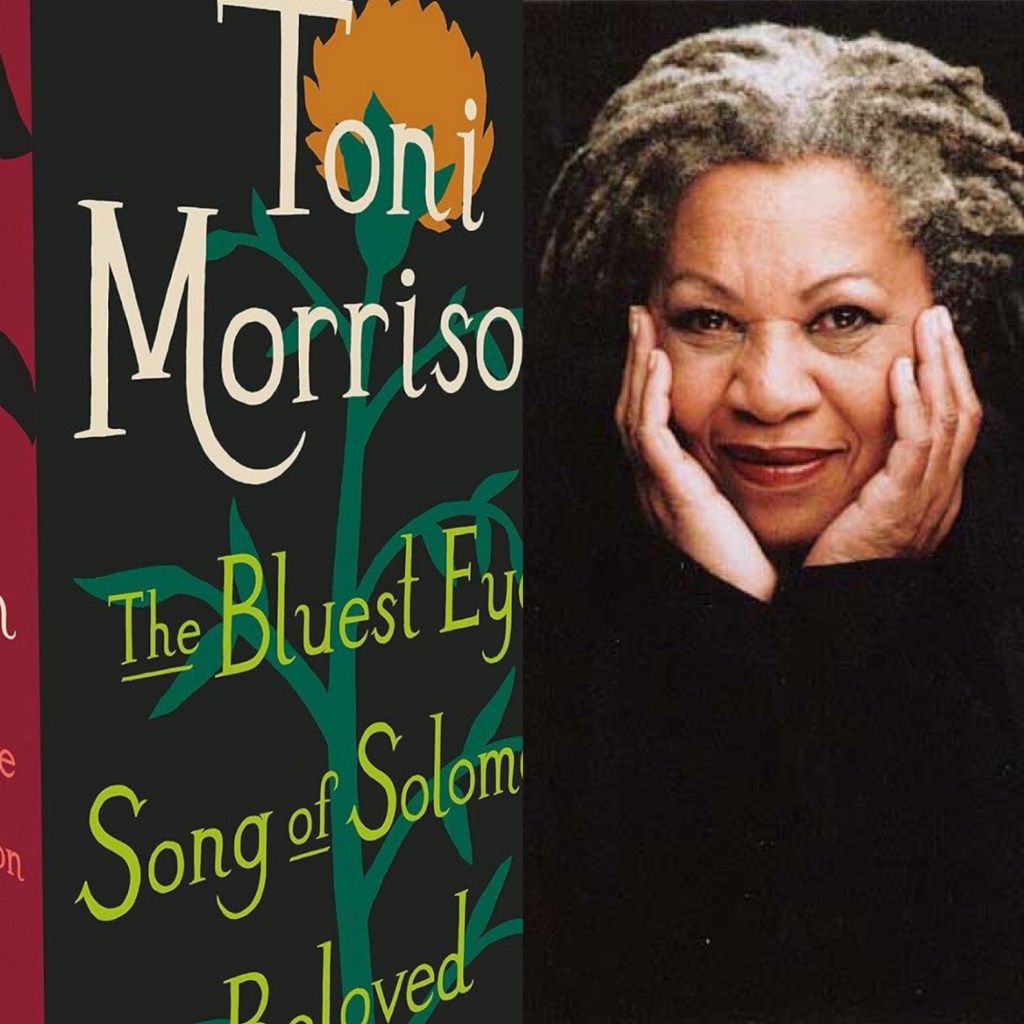
  1. Toni Morrison – While primarily known for her traditionally published works, she self-published her first novel “The Bluest Eye” before gaining wider recognition
  2. Terry McMillan – Initially self-published her debut novel “Mama” before securing a publisher for subsequent works
  3. N.K. Jemisin – First self-published some of her fantasy work before becoming the first author to win the Hugo Award for Best Novel three years in a row
  4. Alexandria House – Found success self-publishing contemporary romance novels featuring Black characters
  5. Kristen Ashley – Built a dedicated following through self-publishing her romance novels before signing with traditional publishers
  6. Brenda Jackson – Pioneer in African American romance who began with self-publishing before becoming a New York Times bestseller
  7. Alyssa Cole – Initially self-published her diverse romance novels before becoming an award-winning author
  8. K.M. Jackson – Self-published romance author who found success writing diverse contemporary stories
  9. Nikki Turner – Self-published her first urban fiction novel before becoming known as the “Queen of Hip-Hop Fiction”
  10. Beverly Jenkins – Started self-publishing historical romances featuring Black characters when traditional publishers showed little interest
  11. Sister Souljah – Self-published “The Coldest Winter Ever” which became a groundbreaking street lit phenomenon
  12. Nnedi Okorafor – Self-published some of her early Africanfuturist works before winning multiple prestigious awards
  13. Kiini Ibura Salaam – Award-winning speculative fiction writer who self-published collections of her short stories
  14. Octavia Butler – Though mostly known for her traditionally published works, she self-published some early stories
  15. Zane – Built an erotic fiction empire beginning with self-published works before launching her own publishing company

These authors demonstrated outstanding entrepreneurial spirit and literary talent often creating space for Black women’s voices. This occurred at a time when traditional publishing wasn’t receptive to their work. Many of these women went on to sign traditional deals. Suffice it to say they proved their commercial viability through self-publishing. Others maintained independence throughout their careers.

Need help to get over your fear to make the leap? Let these women inspire your journey. Thoughts about any of these or other women of color who have experienced success? Do share. We would love to hear.

Cheers!


Top 15 Women Authors Who Achieved Success in Self-Publishing

“Writing is a process, a journey into memory and the soul.”

Isabel Allende

Award-Winning Storyteller and Journalist Sharon Gordon published her debut novel Sheribaby and started off with a bang! Introverts may not be as purposeful due to shyness. They are reserved and avoid putting themselves ‘out there’ for the world to see them and their author life.

That said, here are 15 women authors who found significant success through self-publishing:

  1. Amanda Hocking – Became a millionaire by self-publishing her paranormal romance novels before signing with a traditional publisher
  2. E.L. James – Initially self-published “Fifty Shades of Grey” as fan fiction before it became a global phenomenon
  3. Colleen Hoover – Self-published her debut novel “Slammed” before becoming a #1 New York Times bestselling author
  4. Rachel Abbott – One of the UK’s most successful self-published authors with her thriller novels
  5. Lindsay Buroker – Found success with her Emperor’s Edge fantasy series and numerous other works
  6. Bella Forrest – Self-published the phenomenally successful “A Shade of Vampire” series
  7. H.M. Ward – Romance author who sold millions of copies of her self-published works
  8. Jasinda Wilder – Self-published numerous bestselling romance novels before signing a traditional deal
  9. Vi Keeland – Initially self-published her romance novels before becoming a #1 New York Times bestseller
  10. Penny Reid – Built a successful career with her self-published romantic comedies
  11. Rupi Kaur – Self-published her poetry collection “Milk and Honey” which became a worldwide bestseller
  12. Sierra Simone – Found success with her provocative romance novels
  13. Sarina Bowen – Award-winning romance author who began her career self-publishing
  14. L.J. Shen – Romance author who built a massive following through self-publishing
  15. Lauren Blakely – Multi-million selling self-published romance author

Many of these authors began self-publishing when traditional routes weren’t available to them. They remained independent even after achieving success. Several eventually signed traditional publishing deals after demonstrating their commercial appeal through self-publishing

Need help to get over your fear of leveling up to achieve your goal of being a published author? Let these women inspire you. Have you or someone you know stepped out and achieved success? Do share. We would love to hear.

Cheers!

Success Strategies

Motivate. Inspire Your Personal Growth & Development | Global Coaching Corner

Travel with Intent

A photographer's view of the world - words and images to inspire your travels and your dreams

Answering daily prompts

In this blog I'm attempting to answer wordpress daily prompts

Alex Tafur

Property Maintenance

Poesy Perspectives

embrace the magic

GREENLiGHT

When God Says Go

HEALTH | INSPIRATION

Health, Reflection, and Poetry for the Journey of Life

My Sister My Friend

Family. Youth. Parenting