10+ Books That Awaken Emotions

Some books wound by spreading harm; others hurt by awakening truths, memories, and emotions we can no longer ignore.

A couple of years ago, I boarded an eight-hour flight to London. As I settled into my seat, I noticed a gentleman a few rows ahead holding a newly released copy of Prince Harryโ€™s memoir. I gasped with curiosity and immediately asked what he thought of the book. Smiling, he explained that he had just purchased it at the airport and was intrigued by the prospect of learning some of the royal familyโ€™s closely guarded stories.

Books have the power to educate, inspire, challenge, and transform. They can also evoke hurt in different ways. Some promote hatred, damage reputations, or spread harmful ideas. Others awaken grief, revisit trauma, expose painful family experiences, or challenge readers and leaders to confront uncomfortable truths.

The books listed below offer examples of these different forms of hurt. Their inclusion does not necessarily mean that they were written to cause harm. Instead, they demonstrate how books can affect individuals, families, communities, and society, sometimes destructively, and at other times in ways that encourage reflection, healing, accountability, or change.

Here are 10 examples representing different ways books can cause hurt:

  1. Mein Kampf by Adolf Hitler
    An example of writing that promotes hatred, antisemitism, racial superiority, and division.
  2. The Protocols of the Elders of Zion
    A fabricated antisemitic text that spread damaging conspiracy theories and contributed to hatred against Jewish people.
  3. The Turner Diaries by William Luther Pierce
    A violent extremist novel that promotes racial hatred and has been associated with real-world acts of violence.
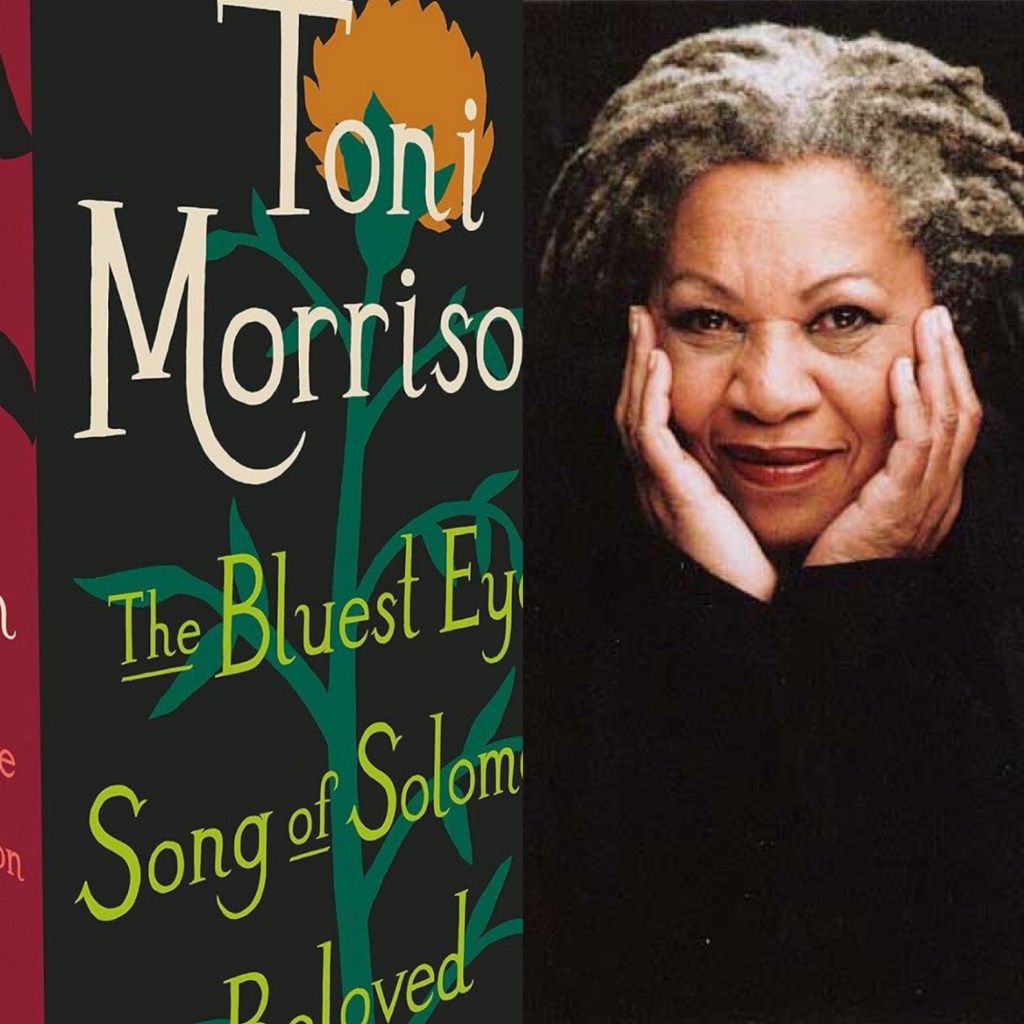
  4. Beloved by Toni Morrison
    A powerful novel that can cause emotional pain by confronting slavery, trauma, motherhood, loss, and memories that refuse to disappear. Its pain has a purposeful, truth-telling function.
  5. The Year of Magical Thinking by Joan Didion
    A memoir about grief that may awaken melancholy, loneliness, and longingโ€”particularly for readers who have lost someone close.
  6. Spare by Prince Harry (2023)
    Its disclosures about grief, family conflict, royal life, and private relationships may cause hurt to the writer, the people discussed, and readers experiencing similar family divisions. The publisher describes it as a work of โ€œrevelation, self-examinationโ€ and grief. Penguin Random House
  7. Iโ€™m Glad My Mom Died by Jennette McCurdy (2022)
    This memoir confronts parental control, childhood exploitation, eating disorders, and a complicated mother-daughter relationship. Its painful honesty may be liberating for some readers and distressing for others. Simon & Schuster
  8. The Woman in Me by Britney Spears (2023)
    Spears discusses fame, relationships, motherhood, lost autonomy, and her conservatorship. Such revelations may reclaim the authorโ€™s voice while also affecting the people whose actions and relationships are described. Simon & Schuster
  9. Crying in H Mart by Michelle Zauner (2021)
    A memoir about losing a mother, cultural identity, food, and grief. It can awaken melancholy and longing in readers who have experienced bereavement or fear losing their connection to family and culture. Penguin Random House
  10. Know My Name by Chanel Miller (2019)
    Miller recounts sexual assault, the legal process, trauma, identity, and healing. The book may reopen painful memories, but it also demonstrates how writing can help someone reclaim a story previously told by others. Harvard Kennedy School
  11. My Safe Place Is With You by Dr. Shelly Cameron This inspirational book falls within the category of books derived from sadness and pain that ultimately guide the reader toward healing. It acknowledges seasons of vulnerability, uncertainty, loneliness, and longing while encouraging readers to find safety, comfort, and renewed hope through faith. Its words may awaken difficult emotions, but the hurt serves a restorative purpose, reminding readers that they do not have to face painful seasons alone.

Bonus: Two leadership books that create productive discomfort

11.Dare to Lead by Brenรฉ Brown
This book can โ€œhurtโ€ constructively by asking leaders to examine vulnerability, fear, trust, values, shame, and the ways they protect themselves from difficult conversations. Brenรฉ Brown

12. The Five Dysfunctions of a Team by Patrick Lencioni
It can be uncomfortable because leaders and teams may recognize their own absence of trust, fear of conflict, lack of commitment, avoidance of accountability, and inattention to results. The hurt comes from honest organizational self-recognition. The Table Group

These examples also demonstrate an important distinction. The first three can cause harm by promoting hate or violence, while others may cause pain by helping readers confront grief, trauma, history, and difficult truths.

Are there any books that you can falls into this category that you can recommend? Please share, we would love to hear.

Cheers!

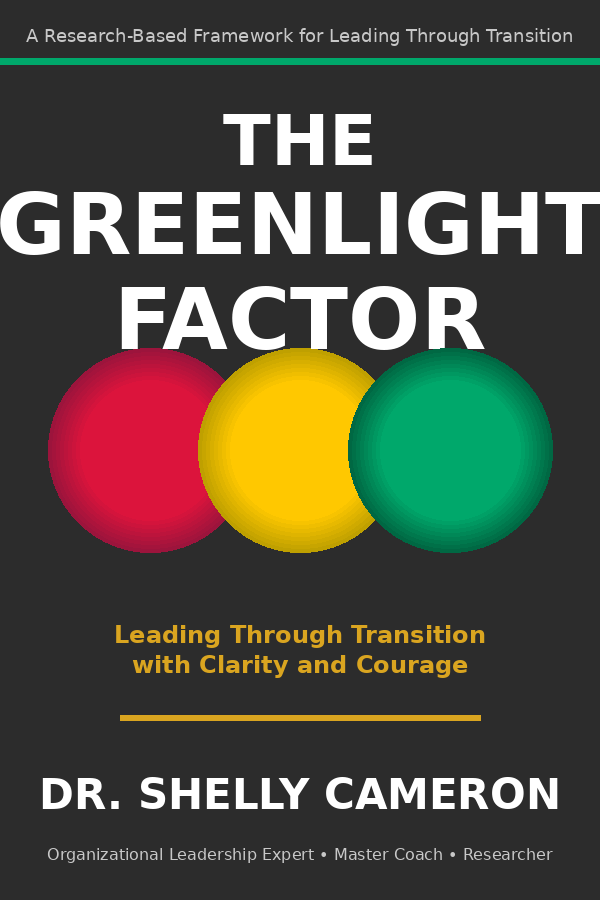
Why I Wrote GreenLight: And The Problem I Kept Watching People Get Wrong

Iโ€™ve watched a lot of talented people make the same mistake.

Not the same decision, the same kind of mistake. The pattern shows up in different forms, at different career stages, for people in wildly different circumstances. But underneath the surface details, itโ€™s always the same thing: they are making a significant decision from a place that isnโ€™t theirs. From pressure, or expectation, or exhaustion, or the accumulated weight of what success is supposed to look like at their stage of life. And theyโ€™re moving fast, because our culture rewards speed and treats deliberation as hesitation.

The results are predictable. Not always dramatic. Sometimes just the slow accumulation of misalignment. The career that looks successful and feels hollow. The role that seemed right and slowly reveals itself as wrong. The decision made in the right direction for the wrong reasons, which turns out to matter more than most people expect.

I started writing The GreenLight Factor because I kept seeing this happen to people who deserved better tools.

The Intersection Nobody Prepares You For

We spend enormous resources preparing people to lead forward. How to execute, how to manage, how to navigate complexity and build teams and drive results. These are real and valuable skills. They are not the skills that determine whether someone builds a career and a life that is actually theirs.

The skill that determines that is navigational. Itโ€™s the capacity to arrive at a crossroads. A genuine moment of decision about direction, commitment, and cost, and make a wise choice rather than a reactive one. To know when to stop, when to pause, and when to go. And to do that from a foundation of genuine self-knowledge and clear values rather than from whatever the moment is asking of you.

Most people were never taught this. Not formally, not systematically. They navigate by instinct and imitation, or they follow the path that generates the most external validation, or they make decisions the way they have always made them and wonder why the results keep feeling off. The framework was not available to them.

The Greenlight Factor is an attempt to make it available.

Why traffic lights

The metaphor came from real life. From noticing how often the language people use when they are at a decision point is already traffic language. They talk about things feeling like a red flag. About needing to pause. About the sense that they should be moving but canโ€™t quite go.

The language was already there. What was missing was the framework.

Traffic signals work because they are universal and instantly understood. You donโ€™t need to learn them. You internalized them as a child. Red means stop. Yellow means proceed with caution. Green means go. The framework translates that universal language into the territory of leadership transitions. The moments when you have to figure out whether to halt your current trajectory, pause for reflection and recalibration, or move forward with confidence.

Three signals. Infinite intersections. The same need at every one, to read whatโ€™s actually showing, and honor it.

What The Book Is And Isnโ€™t

The GreenLight Factor is not a book about how to make faster decisions. Itโ€™s a book about how to make wiser ones, and those two things are not the same. Some of the most important moves in the book involve slowing down, pausing deliberately, and sitting with uncertainty long enough to understand what itโ€™s actually telling you.

Itโ€™s not a book about career optimization in the conventional sense. The people in the book’s pages are not chasing maximum achievement. They are navigating toward lives that are genuinely theirs, aligned with their values, suited to their actual wiring, chosen from the part of them that knows what they need rather than the part that knows what looks impressive.

And itโ€™s not a book about having all the answers. Itโ€™s a book about developing the capacity to sit with the questions long enough to find the ones that matter, and to trust what you find when you do.

Who Itโ€™s For

  • Itโ€™s for the person who has everything they are supposed to want, yet canโ€™t figure out why it doesnโ€™t feel like enough.
  • The person who is standing at an intersection they canโ€™t name, feeling a signal they donโ€™t have language for. The person who keeps almost moving and doesnโ€™t know why they are still parked.
  • Itโ€™s for the person watching someone they care about make a decision that doesnโ€™t look right from the outside, and not knowing how to say so in a way that lands.
  • Itโ€™s for anyone who has learned to lead forward and is still figuring out how to lead wisely.

Thatโ€™s the problem I kept watching people get wrong. And this book is my best attempt at the framework that helps.

The traffic light doesnโ€™t create the intersection. It just helps you navigate it safely. Youโ€™re already at an intersection. The question is whether youโ€™re reading the signal.

The Greenlight Factor: Leading Through Transition is coming soon. Follow along here for more on the framework, the stories behind it, and the intersections that define how we lead our lives.

Cheers!

Top 8 Audiobook Publishers You Should Know

Listening to the dulcet tones of a familiar voice is an appealing way to work our way through those books weโ€™ve always meant to get around to, but havenโ€™t.โ€“ Clare Thorp

You have written your book! Took it a step further and did the audiobook. Now what do you do? How do you get it into the hands of listeners? The options listed may help.

1. Audible (an Amazon company)

  • What they do: Industry leader in audiobook publishing and distribution.
  • Also produces: Audible Originals (exclusive content).
  • Website: audible.com

2. Tantor Media

  • What they do: Full-service audiobook publisher with a wide range of genres.
  • Known for: High-quality production and professional narration.
  • Website: tantor.com

3. Podium Audio

  • Focus: Sci-fi, fantasy, and thriller genres.
  • Notable for: Discovering and promoting indie authors with huge success (e.g., The Martian by Andy Weir).
  • Website: podiumaudio.com

4. RBmedia

  • What they do: One of the largest audiobook publishers globally.
  • Imprints include: Recorded Books, HighBridge Audio, Tantor Media, and more.
  • Website: rbmediaglobal.com

5. Dreamscape Media

  • What they do: Audiobook production and publishing for libraries, retail, and direct sales.
  • Also handles: Distribution to major platforms like Audible, Hoopla, OverDrive.
  • Website: dreamscapepublishing.com

๐Ÿงฐ Self-Publishing & Hybrid Options

6. ACX (Audiobook Creation Exchange)

  • Owned by: Amazon (works with Audible and iTunes).
  • For: Authors and publishers to create and distribute audiobooks.
  • Website: acx.com

7. Findaway Voices (by Spotify)

  • What they do: Allows authors to produce and distribute audiobooks across 40+ platforms (including Audible, Apple Books, Google, etc.).
  • Website: findawayvoices.com

8. Authorโ€™s Republic

  • What they do: Distribute audiobooks globally with easy access for self-published authors.
  • Website: authorsrepublic.com

Questions to Consider

Consider these questions before you make your selection.

  • Is the audiobook already recorded, or do you need help with narration/production? (e.g., voice talent, editing, mastering, etc.)
  • Are you looking to self-publish, or are you open to working with a publisher?
  • What is your target audience and platform preference? e.g., Audible, Spotify, Apple Books, libraries, global reach, etc.)
  • Do you want control over pricing and rights, or are you okay with royalty splits?
  • What’s the genre or focus of the content?
  • (e.g., business, leadership, fiction, memoir, etc.)

Success Stories: 15 Women of Color Who Self-Published

โ€œA word after a word after a word is power.โ€

Margaret Atwood

The publishing process can be intimidating for an unknown writer. The traditional Agent-Publisher-Author relationship is hard. Rejection after rejection is common as Agents say ‘no’. Writers become discouraged and often give up. Manuscripts stay in the darkness of desk drawers for years.

As time has involved, so has the advent of self-publishing. Writers become bold and take advantage of their publishing plight. They make bold moves; step ahead, take the reins to achieve their publishing goal of becoming an author. With low budget and unplanned expenses, some cut corners and quality becomes compromised. Book covers are mediocre. Titles lack depth. Formatting is non-existent, which leads to the demise of some great manuscripts.

On the other hand, some writers step out, work hard, invest, learn the process, and viola! Success follows!

Self-Publishing Success

Here are 15 Authors of color who achieved significant success through self-publishing:

  1. Toni Morrison – While primarily known for her traditionally published works, she self-published her first novel “The Bluest Eye” before gaining wider recognition
  2. Terry McMillan – Initially self-published her debut novel “Mama” before securing a publisher for subsequent works
  3. N.K. Jemisin – First self-published some of her fantasy work before becoming the first author to win the Hugo Award for Best Novel three years in a row
  4. Alexandria House – Found success self-publishing contemporary romance novels featuring Black characters
  5. Kristen Ashley – Built a dedicated following through self-publishing her romance novels before signing with traditional publishers
  6. Brenda Jackson – Pioneer in African American romance who began with self-publishing before becoming a New York Times bestseller
  7. Alyssa Cole – Initially self-published her diverse romance novels before becoming an award-winning author
  8. K.M. Jackson – Self-published romance author who found success writing diverse contemporary stories
  9. Nikki Turner – Self-published her first urban fiction novel before becoming known as the “Queen of Hip-Hop Fiction”
  10. Beverly Jenkins – Started self-publishing historical romances featuring Black characters when traditional publishers showed little interest
  11. Sister Souljah – Self-published “The Coldest Winter Ever” which became a groundbreaking street lit phenomenon
  12. Nnedi Okorafor – Self-published some of her early Africanfuturist works before winning multiple prestigious awards
  13. Kiini Ibura Salaam – Award-winning speculative fiction writer who self-published collections of her short stories
  14. Octavia Butler – Though mostly known for her traditionally published works, she self-published some early stories
  15. Zane – Built an erotic fiction empire beginning with self-published works before launching her own publishing company

These authors demonstrated outstanding entrepreneurial spirit and literary talent often creating space for Black women’s voices. This occurred at a time when traditional publishing wasn’t receptive to their work. Many of these women went on to sign traditional deals. Suffice it to say they proved their commercial viability through self-publishing. Others maintained independence throughout their careers.

Need help to get over your fear to make the leap? Let these women inspire your journey. Thoughts about any of these or other women of color who have experienced success? Do share. We would love to hear.

Cheers!


Success Strategies

Motivate. Inspire Your Personal Growth & Development | Global Coaching Corner

Travel with Intent

A photographer's view of the world - words and images to inspire your travels and your dreams

Answering daily prompts

In this blog I'm attempting to answer wordpress daily prompts

Alex Tafur

Property Maintenance

Poesy Perspectives

embrace the magic

GREENLiGHT

When God Says Go

HEALTH | INSPIRATION

Health, Reflection, and Poetry for the Journey of Life

My Sister My Friend

Family. Youth. Parenting