9+ Ways To Defeat Procrastination

You cannot escape the responsibility of tomorrow by evading it today.

Abraham Lincoln

A colleague shared her exhaustion with what she termed as her habitual procrastination. She was tired of incomplete tasks in her life and asked for help.

Avoiding procrastination is essential for leaders and professionals to maintain productivity and achieve goals. Here are 9+ key points shared to help overcome this practice.

1.Self-Awareness

Recognize your procrastination habits and understand the underlying causes. Self-awareness is the first step to change.

2.Prioritization

Prioritizing tasks is essential. Leaders should focus on high-impact, high-priority activities first.

3.Set Clear Goals

Set specific, measurable, achievable, relevant, and time-bound (SMART) goals. Having clear objectives provides motivation and direction.

4.Time Management

Use effective time management techniques, such as time blocking, to help you allocate your time efficiently.

5. Break Tasks into Smaller Steps

Practice breaking larger tasks into smaller, manageable steps. This makes tasks less daunting and more achievable.

6.Delegation

Trust more. Delegate tasks to capable team members when possible. Delegation frees up time for strategic thinking and higher-priority activities.

7. Overcoming Perfectionism

Are you a perfectionist? Often this tendency fuels procrastination through delaying completing projects until they are perfect. Focus on progress, not perfection.

8. Accountability

Set up an accountability system, such as working with a mentor, coach, or a peer who can hold you responsible for deadlines and commitments.

9. Eliminate Distractions

Identify strategies to minimize distractions, whether it’s turning off notifications, setting specific work hours, or creating a clutter-free workspace.

10. Self-Motivation

Identify your intrinsic motivation. What drives them to succeed? Connecting with their personal “why” can provide the push you need.

11. Time for Self-Care

Practice taking regular breaks and prioritize self-care. A well-rested and healthy leader is less likely to procrastinate.

12. Mindfulness and Focus

Adopt mindfulness practices and techniques that can improve focus and attention, reducing the temptation to procrastinate.

13. Positive Self-Talk

Replace negative self-talk with positive affirmations. Confidence can help combat procrastination.

14. Celebrate Achievements

Acknowledge and celebrate your accomplishments, no matter how small. Positive reinforcement can reinforce productivity.

15. Continuous Improvement

Focus on the concept of continuous improvement. As a Leader, it is important to regularly assess your time management and productivity strategies and adjust as needed.

16. Seek Professional Support

If procrastination is chronic and significantly hinders your leadership effectiveness, seek support from a therapist or counselor who specializes in procrastination or time management issues.

As a certified Master leadership coach, I provide support, guidance, and accountability to leaders to help them work to overcome procrastination. Implementing the strategies articulated here and developing healthy habits will lead to more effective and efficient leadership.

Need help, lets connect today.

Cheers!

Mastering The Art Of Goal Setting In 10 Steps …

Want to succeed in the new year? Set goals! It’s a big deal because setting goals can help you get where you want to be. The 10 steps that follow make it super simple for you. Whether you’re a leader, professional or just someone who wants to grow, these steps will guide you through the strategies to set goals that really work. The aim is to help you stay motivated and focused on your path to success.

So, watch Aim High and Master the Art of Goal Setting and let’s get started on this journey to make your dreams come true!

Step 1: Clarify the Purpose

Define the Objective: What is the specific area or aspect of life where you want to set a goal? What is the purpose of this goal?

Step 2: SMART Goals

  • Specific: Make the goal specific, avoiding vague language. What exactly do you want to accomplish?
  • Measurable: Ensure the goal can be quantified in some way. How will you measure your progress and know when you’ve achieved it?
  • Achievable: Assess whether the goal is realistic and attainable. Is it within your reach, given your current resources and constraints?
  • Relevant: Does the goal align with your values, long-term objectives, and the bigger picture of your life. Is it meaningful?
  • Time-Bound: Set a clear timeframe or deadline for achieving the goal. When will you complete it?

Step 3: Break It Down

Break It Into Smaller Steps: Divide the larger goal into smaller, manageable tasks or milestones. What steps need to be taken to reach the goal?

Step 4: Prioritize

Prioritize Tasks: Determine the order of importance for each task. Which steps should be tackled first, and which can follow?

Step 5: Visualize Success

Create a Mental Image: Ask the individual to visualize themselves successfully achieving the goal. How will it feel? What will it look like?

Step 6: Identify Obstacles

Recognize Challenges: Reflect on potential obstacles, difficulties, or setbacks you may encounter on your journey to the goal. How can you prepare to overcome these challenges?

Step 7: Develop a Plan

Create an Action Plan: Outline the tasks, deadlines, and resources required to achieve the goal. What specific actions will you take?

Step 8: Monitor and Adjust

Regular Review: Emphasize the importance of monitoring progress regularly. How are you doing in relation to the goal? Are you on track?

Adjust and Adapt: Be flexible in adapting the plan as needed. If you encounter unexpected obstacles or need to change your approach, how will you do so?

Step 9: Accountability

Accountability Partners: Have an accountability partner, such as a coach, mentor, or friend, who can provide support and hold you responsible for your commitments.

Step 10: Celebrate Success

Acknowledge Achievements: When you reach your goal, celebrate the achievement. Do some self-reflection and recognition of your progress.

By following this step-by-step process, you can set and achieve goals that align with your values and aspirations.

Need an accountability partner to help you set your goals and stay on track? Let’s connect

Cheers!

10 Tips On How To Coach Employees on Career Development Without Micromanaging

Change a game.

Change a life.

A good coach can change a game. A great coach can change a life.

John Wooden

She ran to the restroom and screamed. Sabrina had a job to do, and her manager knew she could do it well, but she kept questioning her over the past six months. As the year-end drew near, the project was near due. But the constant checking in was more of a time waster than productive. Sabrina became frustrated. How could she tell her manager to allow her to focus?

Coaching employees on career development without resorting to micromanagement requires a delicate balance of support, guidance, and autonomy. As a leadership coach, I recommend employing a coaching approach that fosters individual growth and self-driven progress is important. Here’s a brief summary of 10 tips on how to approach this:

  1. Establish Trusting Relationships: The foundation of effective coaching is trust. Build strong, open, and honest relationships with employees, creating a safe space for them to share their career aspirations, concerns, and challenges.
  2. Active Listening: Actively listen to employees, understand their goals, strengths, and areas for improvement. By attentively hearing their needs, supervisors can tailor coaching discussions to their unique career paths.
  3. Goal Setting: Together with employees, collaboratively set clear, SMART (Specific, Measurable, Achievable, Relevant, Time-bound) goals. This ensures that their career objectives are well-defined and realistic.
  4. Empower and Encourage: Instead of micromanaging, empower employees to take ownership of their career development. Encourage them to seek out opportunities, challenge themselves, and take initiative in their professional growth.
  5. Provide Resources: Offer guidance on available resources, such as training programs, workshops, or mentorship opportunities, that can aid employees in acquiring new skills and knowledge aligned with their career goals.
  6. Feedback and Reflection: Promote a culture of continuous feedback and reflection. By offering constructive feedback and encouraging employees to assess their progress, they become more self-aware and adaptable.
  7. Accountability: Employees are encouraged to hold themselves accountable for their career development. As a leadership coach, it is recommended that supervisors help employees establish milestones and regularly check in on their progress without micromanaging their day-to-day tasks.
  8. Supportive Coaching: Through regular coaching sessions, provide a supportive framework where employees can discuss challenges, seek guidance, and refine their strategies for career advancement.
  9. Celebrate Achievements: Recognizing and celebrating milestones and achievements is crucial for motivation. Acknowledge employees’ accomplishments, reinforcing their sense of progress and satisfaction.
  10. Adaptability: Recognize that career paths may evolve, be flexible and adapt coaching strategies to align with changing goals and circumstances.

By coaching employees in this manner, we can empower them to take control of their career development journey. It fosters a sense of autonomy, motivation, and engagement while avoiding the pitfalls of micromanagement. Ultimately, the goal is to help individuals thrive and achieve their career aspirations in a supportive and non-intrusive manner.

Professional Exit Career Plan

The decision to leave an executive or professional role is a significant one, and careful planning is essential to ensure a smooth transition. In my book Ditch It Switch It, I shared stories of individuals who simply got up and resigned without thinking much about their next steps. Indeed, life on the job can be frustrating. At times you just want to walk away and give up. But before you do, stop and think it through.

As a leadership transition coach, here’s a comprehensive exit plan to guide you through this important process.

1. Self-Assessment and Reflection: Take the time to reflect on your career goals, values, and aspirations. Clarify your reasons for leaving and envision the path you want to take moving forward.

2. Goal Setting: Define clear short-term and long-term goals for your post-executive journey. Whether it’s starting your own venture, consulting, or taking on a different role, having specific goals will provide direction.

3. Skill and Knowledge Gap Analysis: Identify any skills or knowledge areas that need enhancement to align with your new goals. Consider professional development opportunities, courses, or certifications that will strengthen your skillset.

4. Networking and Relationship Building: Leverage your professional network to explore potential opportunities. Reach out to mentors, colleagues, and industry contacts to discuss your plans and seek advice.

5. Building a Personal Brand: Craft a compelling personal brand that highlights your expertise and aligns with your new goals. Update your LinkedIn profile, resume, and online presence to reflect your transition.

6. Financial Planning: Assess your financial situation and create a budget that supports your transition period. Consider factors like severance packages, savings, and potential income sources.

7. Knowledge Transfer: Collaborate with your team and colleagues to ensure a smooth knowledge transfer. Document important processes, projects, and responsibilities to facilitate the transition for your successor.

8. Successor Support: Provide support and mentorship to your successor, if applicable. Offer guidance during the transition period to set them up for success in their new role.

9. Emotional Preparation: Acknowledge the emotional aspect of leaving a role you’ve invested in. Prepare yourself mentally for the change and focus on the positive opportunities that lie ahead.

10. Communication Strategy: Craft a thoughtful communication plan for announcing your departure to your team, colleagues, and stakeholders. Emphasize the positive reasons for your transition and express gratitude for the experience.

11. Negotiating Exit Terms: Work closely with HR and legal departments to negotiate your exit terms, including timelines, compensation, benefits, and non-compete agreements.

12. Finalizing Responsibilities: Ensure that you wrap up any pending projects, delegate tasks effectively, and communicate the status of ongoing initiatives to stakeholders.

13. Leveraging Resources: Utilize Leadership career coaching, industry associations, and networking events to gather insights and support during your transition.

14. Launching the Next Chapter: Execute your plan with confidence. Utilize your goals, skills, and network to propel your career in the direction you’ve envisioned.

Remember, an executive or professional exit is an opportunity for growth and reinvention. With strategic planning, emotional readiness, and a strong support network, you can make a seamless transition to the next phase of your career journey. If you need further guidance or support throughout this process, don’t hesitate to connect. As a Certified Master Coach specializing in Leadership Transition, I am happy to help.

You may also sign up to attend Goal-Setting Retreat to prepare your 2024 strategies.

6+ Tips To Optimize Your LinkedIn Profile for a Midlife Career Change…

Change is the law of life. And those who look only to the past or present are certain to miss the future.

John F. Kennedy

Thinking of a change in your career? LinkedIn is rated as the world’s largest professional network. You can use it to connect and strengthen professional relationships, find jobs, and more.

Chances are you already have a profile but when was the last time you looked at it? Hmmm…

Here are 6 tips to optimize your profile for leaders and professionals who wish to make a change so you can become more visible to Executives, headhunters and Recruiters.

1.Relevant Headline and Summary: Craft a headline that reflects your desire to transition into a new field and a summary that emphasizes your transferable skills and passion for the new industry.

2.Professional Photo: Update your profile picture to present a polished and adaptable appearance that aligns with your desired career change.

3. Keyword Optimization: Use keywords associated with the new field you’re targeting, showcasing your intention to pivot and ensuring your profile appears in relevant searches.

4. Experience Section: Highlight experiences, projects, or accomplishments that align with the skills required in your target industry, even if they were gained from previous roles.

5. Recommendations: Obtain recommendations from colleagues or supervisors who can speak to your adaptability, quick learning, and positive attitude.

6. Content Sharing: Share insightful content related to your intended field, showcasing your genuine interest and commitment to learning about the industry.

7. Networking: Connect with professionals in your desired field to expand your network and gain insights into the industry’s nuances and trends.

8. Training and Certifications: Highlight any relevant courses, workshops, or certifications you’ve completed to bolster your qualifications for the new career path.

9. Volunteer Work and Side Projects: Include any volunteer experiences or side projects that demonstrate your dedication to learning and contributing to the new field.

10. Custom URL: Personalize your LinkedIn profile URL and showcase your enthusiasm for the career change.

Remember, authenticity and consistency are key to building a compelling LinkedIn profile that accurately represents your goals and aspirations. Get going and update your profile now. Need help? Lets connect

Which tip stood out to you? Do share, we would love to hear.

Cheers!

Don’t forget to Share this with a friend.

Top 10 Books For Personal Development…

One can choose to go back toward safety or forward toward growth. Growth must be chosen again and again; fear must be overcome again and again.

Abraham Maslow

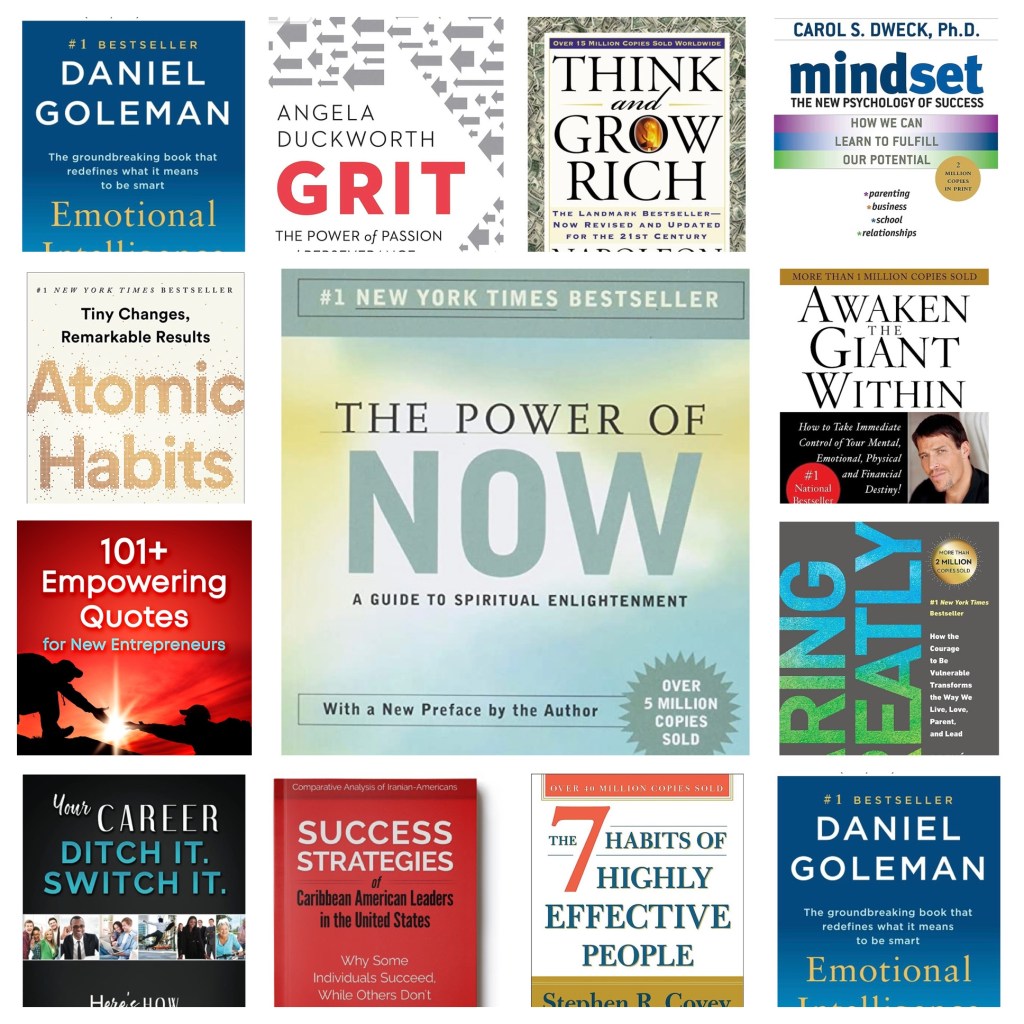
Personal development is a broad field, and the “top” books can vary based on individual preferences and needs. However, here are 10 highly recommended books that cover a range of personal development topics.

  1. “The 7 Habits of Highly Effective People” by Stephen R. Covey This classic book focuses on principles for personal and interpersonal effectiveness, helping readers transform their lives through a holistic approach.
  2. “Awaken the Giant Within” by Tony Robbins Tony Robbins offers strategies for taking control of your emotions, finances, relationships, and life in general, enabling you to achieve your goals and dreams.
  3. “Atomic Habits” by James Clear James Clear presents a practical guide to creating and maintaining positive habits, breaking bad ones, and ultimately mastering the tiny behaviors that lead to remarkable results.
  4. “Daring Greatly” by Brené Brown Brené Brown explores vulnerability, shame, and the importance of embracing imperfections as a means of fostering courage, connection, and authenticity.
  5. “Mindset: The New Psychology of Success” by Carol S. Dweck Carol Dweck introduces the concept of “fixed” vs. “growth” mindsets and how adopting a growth mindset can lead to personal and professional success.
  6. “Think and Grow Rich” by Napoleon Hill Napoleon Hill outlines the principles and mindset necessary for achieving financial success and personal fulfillment through positive thinking and strategic planning.
  7. “Grit: The Power of Passion and Perseverance” by Angela Duckworth Angela Duckworth explores the importance of passion and perseverance in achieving long-term goals and personal success.
  8. Ditch It Switch It by Dr Shelly Cameron is for those who are miserable, stuck, dissatisfied, afraid, stressed, longing for personal growth or those who have a passion for entrepreneurship. It will help readers prepare to take the plunge to get out of your comfort zone.
  9. “The Power of Now: A Guide to Spiritual Enlightenment” by Eckhart Tolle Eckhart Tolle offers insights into the power of living in the present moment and escaping the tyranny of your thoughts, leading to a more peaceful and fulfilling life.
  10. “Emotional Intelligence: Why It Can Matter More Than IQ” by Daniel Goleman Daniel Goleman discusses the significance of emotional intelligence in personal and professional success, emphasizing the importance of understanding and managing emotions.
  11. “The Subtle Art of Not Giving a F*ck” by Mark Manson Mark Manson challenges conventional self-help advice and encourages readers to embrace life’s challenges and uncertainties, focusing on what truly matters.

Remember that personal development is an ongoing journey, and these books can serve as valuable resources to help you gain new insights, develop healthy habits, and cultivate a positive mindset. It’s also a good idea to explore various books and authors to find those that resonate most with your unique goals and aspirations.

Happy reading! Happy growing!

Top 10+ Ways To Transform Your Career After 40…

The Changing Face of Careers For Professionals Over 40

It’s only after you’ve stepped out of your comfort zone that you begin to change, grow and transform.

Roy T Bennett

Julia has been in her career for over 10+ years. She has transitioned every stage and is just simply tired of it. When we spoke, her frustration was evident moreso because she had already jumped ship. On a whim she decided to resign with the hope that she would land a job very quickly. Four months later, she was still unemployed, and her financial situation was in shambles. She needed a job quickly and was not sure what to do.

This situation is not uncommon amongst midlife career transitioners. But there are strategies that can help you make the transition smooth. Before you quit, here are 14 Ways to get ready for a new career after 40.

Top Strategies For A Smooth Career Transition After 40

  1. Lifelong Learning is Essential: continuous learning and skill development, is important regardless of age. Embrace new technologies, trends, and industry advancements to stay relevant in your careers.
  2. Transferable Skills: Recognize transferable skills that you have gained throughout your career journey. These skills can often be applied to new roles or industries, enabling you to pivot and adapt.
  3. Experience is an Asset: Your years of experience bring a wealth of wisdom, problem-solving abilities, and leadership skills. These attributes can set you apart and make you a valuable asset in any work environment.
  4. Networking and Personal Branding: Leverage your network, both online and offline. A well-established professional network and a strong personal brand can open doors to new opportunities and collaborations.
  5. Career Reflection and Alignment: Reflect on your career trajectory and consider whether your current path aligns with your passion and goals. This could be a time to pursue roles that truly resonate with your values and aspirations.
  6. Entrepreneurial Ventures: Consider your potential for pursuing entrepreneurial endeavors. Leverage your industry expertise and leadership skills to start your own business or consultancy.
  7. Adaptability and Resilience: Adaptability and resilience are important in our rapidly changing job market. The ability to embrace change and bounce back from setbacks is crucial.
  8. Embracing Flexibility: With changing work dynamics, the value of flexible work arrangements, remote work, or part-time roles can provide a better work-life balance.
  9. Showcase Accomplishments: Update your resume and LinkedIn profile to highlight your accomplishments and showcase your ongoing commitment to growth and learning.
  10. Mindset Shift: Address any potential age-related biases that might exist in certain industries. Foster a growth mindset and focus on what you bring to the table rather than any limitations.
  11. Coaching and Mentorship: There are many benefits to seeking career coaching or mentorship from professionals who specialize in mid-career transitions. This guidance can provide you with personalized strategies and insights.
  12. Health and Well-being: Prioritize your health and well-being as you navigate career changes. A healthy body and mind are crucial for sustained success.
  13. Stay Positive and Curious: Maintain a positive attitude and a curious mindset. Embracing change with enthusiasm can lead to exciting new opportunities.
  14. Strategic Planning: Create a strategic plan for your career transition, setting specific goals, timelines, and milestones to ensure a smooth journey.

As a seasoned leadership coach, we help guide individuals over 40 through these key considerations. We will help you navigate the changing landscape of careers with confidence, resilience, and a strategic mindset.

Let’s Connect to kickstart your journey to self-discovery and transition to the next chapter in your career.

Cheers!

Photo by Andrea Davis on Pexels.com

Stressed At Work? Top 10+ Reasons…

Stress acts as an accelerator. It will push you either forward or backward, but you choose which direction.

Chelsea Eriean

Workplace stress can arise from various sources, and it affects employees across different industries and roles. Understanding the common causes of stress at work is crucial for both employees and employers to take appropriate measures to manage and mitigate its impact. Here are some key factors that contribute to work-related stress:

  1. Excessive Workload: Overwhelming work demands, tight deadlines, and a constant flow of tasks can lead to stress as employees struggle to cope with the pressure to perform.
  2. Lack of Control: When employees feel they have little control over their work, decision-making, or the outcomes of their efforts, it can lead to a sense of helplessness and increased stress.
  3. Job Insecurity: Fear of job loss or instability due to economic conditions, restructuring, or organizational changes can create anxiety and stress among employees.
  4. Long Working Hours: Extended work hours, lack of work-life balance, and overtime can leave employees feeling drained and overwhelmed, contributing to chronic stress.
  5. Unclear Expectations: Ambiguous or constantly changing job roles, responsibilities, and performance expectations can create confusion and stress for employees.
  6. Lack of Recognition: When employees’ efforts and achievements go unnoticed or unappreciated, it can lead to feelings of disengagement and stress.
  7. Poor Working Relationships: Conflict with coworkers, difficult supervisors, or a negative work environment can significantly impact employees’ mental well-being.
  8. Organizational Culture: Toxic workplace cultures that promote competition, lack of support, or an absence of work-life balance can foster stress among employees.
  9. Career Advancement Pressures: The desire to progress in one’s career, coupled with intense competition, can lead to stress as employees strive to meet expectations.
  10. Workplace Bullying or Harassment: Acts of bullying, discrimination, or harassment create a hostile work environment, triggering stress and anxiety in affected employees.
  11. Lack of Resources: Insufficient tools, training, or support can hinder employees from effectively fulfilling their job responsibilities, leading to stress.
  12. Workplace Change and Uncertainty: Frequent organizational changes, such as mergers, restructuring, or new management, can generate stress due to uncertainty and adjustment challenges.
  13. Job Demands and Complexity: Highly demanding and intellectually challenging roles may lead to stress, especially when coupled with limited resources or support.
  14. Physical Work Conditions: Uncomfortable or unsafe work environments can negatively impact employees’ mental and physical health, contributing to stress.
  15. Personal Life Interference: When personal issues, such as family problems or health concerns, spill over into work, it can intensify stress levels.

Addressing these causes of workplace stress involves creating supportive work environments, implementing stress-reduction programs, promoting work-life balance, providing opportunities for coaching, skill development and growth, and fostering open communication between employees and management.

Photo by Anna Shvets on Pexels.com

Need To Move To The Next Step? Here Are 9 Reasons To Work With A Coach…

Dr. Shelly's avatarSuccess Strategies

background balance beach boulder Photo by Pixabay on Pexels.com

We often ask the question why some people succeed when others don’t. It seems there is a missing element. Something we lack. The truth is that you can succeed at whatever you dream about;  whatever you put your mind to achieve. Know that you don’t have to go it alone. Here are some reasons why people hire a coach to improve their lives and their business.

  1. People hire a coach to help put systems in place (e.g. time management, social media engagement, managing products, and managing people)
  2. When they know what to do but not how to do it
  3. Feel Stuck , confused
  4. When you want to make more money …want to do what you want to do
  5. When they know it’s time to break free
  6. When they figure out they can’t do it alone
  7. Need resources and don’t know where to find them (financial…

View original post 50 more words

Experiencing On-The-Job Nightmares? 5 Ways To Ditch It…

Dr. Shelly's avatarSuccess Strategies

Hate your job? Feel sick just getting up in the morning to go (virtual or in-person)? We certainly understand. Many have been there. Just don’t jump ship yet. Here are 5 Strategies to do it right when you are at that crossroad and wondering what to do.

5 Strategies To Do It Right

  1. Don’t leave (yet)
  2. Start your search to see the job options available in the market place
    • Like your current career? Stay with it
    • Hate your current career? Plan an escape
    • Take into consideration your current skills, qualification and experience.
    • Upgrade skills if needed to suit your new role
  3. Update your Resume to match the job you’re looking for and review your social media profiles to make sure nothing unprofessional exist
  4. It’s time to begin your search to Ditch it for the ideal career you want
  5. Keep Motivated. Prepare yourself psychologically. The going can get rough especially…

View original post 111 more words

Mid-Life Leaders Career Switch: An Interview With ICF South Florida Chapter…

Let no one define what Success means to you. Define it for yourself

@Dr. Shelly C

It was a pleasure sharing my background and coaching experience with the International Coaching Federation (ICF) South Florida Chapter Host, Eric Goeres, PCC. Listen to the Podcast recording or read the details below to learn more about my Journey.

My Journey

How did I become, what was your journey to, how did you wind up becoming a coach? What is your background?

I worked with a major global pharmaceutical company for over 14 years in a HR Strategic Leadership role where I held HR responsibility for countries in the Caribbean reporting into USA/Latina region. I coached and advised business managers on managing their people. At the height of my career, having led the project to successfully achieve the employer of choice award, I decided to go in a different direction. The goal was to make a difference in healthcare and the wider community in the USA.

Even though I already had a masters in HR Management, I enrolled full-time in the Masters Health Administration program. On completion, I got my dream role to manage a group of medical practices located throughout South Florida.

I eventually partnered with the Institute of Caribbean Studies in Washington DC, where I am Chief Judge for its Flagship 30 Under 30 Ignite Caribbean Initiative recognizing the changemaking efforts of outstanding individuals under 30 years old.

As I reflect managers I have worked with kept reaching out to me at major crossroads in their life. Ethics, trust, and confidentiality were always my standard and I guess it followed me. People would reach out to share and talk with me confidentially about their next steps. After noticing the pattern and giving myself to any opportunity that arose, I realized that coaching was something I was passionate about but never considered officially. It was then I decided to take the leap into becoming accredited. That’s how my formal accreditation journey began early 2022.

Leadership Coaching

What kind of coaching do you do? And who do you work with?

My focus is on Leadership Coaching. I work with 40+ Mid-Life Corporate Leaders in Transition. This niche was perfect for me as my experience included several global mergers and acquisitions and was formally trained in change management. On top of that my doctoral studies focused on organizational leadership. I later published Journal article titled: The Leadership Challenge: Success Strategies of Immigrant Leaders in the USA. This was also published in books titled Success Strategies as well another titled “Your Career: Ditch it Switch”, which I now use to help coach leaders in transition.

Coaching Style & Philosophy

What’s your coaching style? How do you coach? What’s your coaching philosophy?

Versatility, depending on the needs of the client.

Special Project

Is there anything specifically you’d like to talk about?

My writing is something that is special. I write to satisfy my curiosity or personal growth and development. It then turns out that others seem to have the same issues as me, so I share, and it inspires. So, I will continue my publishing journey. I also talk a lot about Fear because it’s something that holds us back. My philosophy is to “do it in spite of your fear”.

I have partnered with Dr. Indiana Robinson to publish book titled Women Immigrants and the Challenges Faced: Perspectives on Higher Education in the United States.

Growth of coaching in organizations and its link to change management

The Future of Coaching

What do you think the future of coaching looks like?

The market is filled with many who call themselves ‘coaches’ but are untrained. I believe with the rise of credentialing; the world of coaching will become attractive to organizations and individuals who are credentialed and stick to ethical standards of the ICF. Accountability will be the gold standard for success.

With the influx of the pandemic changes, I was already coaching individuals for years across borders, but the pandemic made the process official. Individuals liked the flexibility of being able to meet virtually on zoom at times convenient to them.

Experiencing On-The-Job Nightmares? 5 Ways To Ditch It…

Hate your job? Feel sick just getting up in the morning to go (virtual or in-person)? We certainly understand. Many have been there. Just don’t jump ship yet. Here are 5 Strategies to do it right when you are at that crossroad and wondering what to do.

5 Strategies To Do It Right

  1. Don’t leave (yet)
  2. Start your search to see the job options available in the market place
    • Like your current career? Stay with it
    • Hate your current career? Plan an escape
    • Take into consideration your current skills, qualification and experience.
    • Upgrade skills if needed to suit your new role
  3. Update your Resume to match the job you’re looking for and review your social media profiles to make sure nothing unprofessional exist
  4. It’s time to begin your search to Ditch it for the ideal career you want
  5. Keep Motivated. Prepare yourself psychologically. The going can get rough especially while you are still in the same miserable job. So plan an escape while you wait. This can be:
    • Bathroom run (to breathe while on the job)
    • Mental escape to your happy place (vacation getaway, home reno, time with family, time alone, time with your favorite hobby)

Above all, be flexible. Sometimes you may need to take an interim role to get to where want to go. This may come with lower pay, entry level path or internship to get on your new career path. It’s the sacrifice you must take to get to where you want to go.

Good Luck and Happy hunting!

Need help? Lets connect.

Cheers!

Travel with Intent

A photographer's view of the world - words and images to inspire your travels and your dreams

Answering daily prompts

In this blog I'm attempting to answer wordpress daily prompts

Alex Tafur

Property Maintenance

Poesy Perspectives

embrace the magic

GREENLiGHT

When God Says Go

HEALTH | INSPIRATION

Mind • Body • Life

My Sister My Friend

Family. Youth. Parenting

Kamileon Photography

Your Focus. Our Lens.