6 Thinking Traps Holding You Back

You can’t grow without letting go. ~Unknown

Gaps in your thinking traps your personal, business, or career Growth.  Here are 6 reasons.

6 Reasons Your Thinking Traps Your Growth

  • The Knowledge Gap: I don’t know how to grow
  • The timing Gap: It’s not the Right time
  • The Mistake Gap: I’m afraid of making mistakes
  • The Perfectionist Gap: I have to find the best way before I start
  • The lack of Inspiration Gap: I don’t feel like doing it
  • The Comparison Gap: Others are better than me

Which one, two or more do you identify with? Think about it and share. We can’t wait to hear.

Cheers!  

Photo by Frank K on Pexels.com

The Pain of Not Embracing Coaching

Innovation Distinguishes. A group of cross-cultural leaders gathered together to discuss the Cultural Undervaluing of Professional Coaching. Education is a crucial pillar of development, but it is not the full structure. Professional coaching, especially in career planning, mindset growth, and personal branding, is often seen as optional, extravagant, or even unnecessary.

Chris, Maxine, and I, focused on The Pain of Not Embracing Coaching. It has many effects. Here are a few:

Underdeveloped Potential

Talented individuals stay stuck in survival mode. They fail to unlock their genius because no one helps them think strategically about their growth.

Career Plateau

Professionals with great resumes stall out due to poor networking, weak positioning, or self-limiting beliefs.

Global Irrelevance

In our rapidly changing world where soft skills, emotional intelligence, and AI adaptability are premium assets, people fall behind.

Silent Suffering

Many carry silent frustrations; “I’m better than this, but I don’t know how to rise.” Coaching could be the very bridge out of that quiet despair.

Join the conversation. Let’s hear your thoughts.
Rather a private chat? Chat me now.

14 Strategies For Adults Reporting To Millennial Team Leads

The challenge of leadership is to be strong, but not rude; be kind, but not weak; be bold, but not a bully; be thoughtful, but not lazy; be humble, but not timid; be proud, but not arrogant; have humor, but without folly. ~Jim Rohn

“I report to Jen who is in her late 30s and is as old as my daughter” Cindy said aloud to the group. She respects me though. The diverse group of women nodded in agreement. There are others who are not as lucky as Cindy, not necessarily because of being older but because they complain of having more experience than the Millennial who supervise them. They often take offense at any task given because they do not believe they should report to someone younger than themselves.

This is an increasingly common situation as workplace demographics change. Here are some strategies older adults can use when reporting to or being supervised by millennials:

  1. Focus on mutual respect:
    • Recognize that your millennial supervisor has earned their position.
    • Treat them with the same respect you’d expect, regardless of age.
  2. Leverage your experience tactfully:
    • Offer your insights and experience as a resource, not a challenge to authority.
    • Frame suggestions as “In my experience…” rather than “You should…”
  3. Embrace learning opportunities:
    • Be open to new ideas and approaches your younger supervisor might introduce.
    • Show enthusiasm for learning new skills or technologies.
  4. Adapt to communication styles:
    • Be flexible with communication methods (e.g., instant messaging, video calls).
    • Understand and respect different communication preferences.
  5. Manage your own biases:
    • Challenge any preconceived notions you might have about younger managers.
    • Focus on their skills and leadership qualities rather than age.
  6. Highlight your strengths:
    • Demonstrate how your experience and skills complement the team’s needs.
    • Show how your long-term perspective can be valuable for strategic planning.
  7. Be a team player:
    • It’s no playtime. Support your supervisor’s decisions publicly, even if you disagree privately.
    • Offer constructive feedback in appropriate settings.
  8. Stay current:
    • Keep up with industry trends and new technologies.
    • Show initiative in updating your skills.
  9. Practice active listening:
    • Give full attention to your supervisor’s ideas and directives.
    • Ask clarifying questions to ensure understanding.
  10. Seek feedback proactively:
    • Ask for regular performance feedback.
    • Show willingness to adapt based on constructive criticism.
  11. Find common ground:
    • Look for shared interests or values beyond work.
    • Build a relationship based on mutual understanding and respect.
  12. Offer mentorship subtly:
    • If appropriate, offer to share your knowledge in areas where you have deep expertise.
    • Frame it as supporting their success rather than undermining their authority.
  13. Embrace change:
    • Be open to new processes or workflows your millennial supervisor might implement.
    • Demonstrate flexibility and adaptability.
  14. Focus on results:
    • Align your work with the goals and metrics your supervisor values.
    • Demonstrate your value through your performance and outcomes.

It’s hard and often uncomfortable. But remember, successful intergenerational workplace relationships are built on mutual respect, open communication, and a willingness to learn from each other. By focusing on these elements, older adults can create positive and productive relationships with their millennial supervisors.

Jobs That Will Disappear In The Next Decade …

Things change. Nothing remains forever

As a leadership coach who has help many transition their careers in business and entrepreneurship, I was curious when I came across MSN’s Andrew Herring’s story on careers that will disappear in the next decade. Here I share.

Is Your Job On The List?

  1. Drivers. Not sure if I am ready to be driven around by driverless cars, but ready or not, it’s coming.
  2. Customer Service Reps were the ones we couldn’t live without. These days we have to since we cannot get a ‘human‘ on the phone. Besides, who wants to speak with anyone anyways in this text era?
  3. Factory workers. No surprise here considering automation.
  4. Travel Agents. They are more travel smart but airlines direct sales to our emails, we keep forgetting their value.
  5. Bank Tellers. Can’t recall the last time I went into a bank line. Drive through, online check negotiations and direct deposits from employers, this is believable.
  6. Proofreaders. I still like this especially as an author but lots of software available, so this is not so far-fetched.
  7. Receptionists. Wonder who will I see when I walk into brick-and-mortar businesses? Hotel check-ins, direct to agent services, I guess?
  8. Bookkeepers. Who uses them anyway when Ai keeps track and easily track expenses, reconcile and fast generate reports?
  9. Data Entry Clerks. Check what your phone scan feature can do. Yep, it can easily read handwriting and convert it into digital text. Absolutely convenient.
  10. Telemarketers. I think my 91-year-old uncle will miss answering the phone angrily. It seems the calls never stop these days.

So, there you have it. Ensure that the job of your dreams still exists before you invest in it. Otherwise, are there any jobs missing from the list? Or should any be removed? Please share. We would love to hear!

Cheers!

Photo by Pixabay on Pexels.com

5 Points To Consider When Transitioning Into A New Career

2023 Holiday Gift Guide For Book Lovers …

Give the gift of insight, inspiration, and growth this holiday season! Delve into the world of leadership, self-discovery, inspiration and professional development with these curated books. Perfect for friends, family, or colleagues seeking to elevate their leadership skills and embark on a transformative journey. Click the Gift Guide, choose a book that sparks growth and ignites the potential within your loved ones this festive season!

Each Book link takes you directly to Amazon where you can buy, beautifully gift wrap and place under your well-lit sparkling Christmas tree. Voila! They’re thrilled!

Hope this guide has inspired your gift giving. E-books are perfect for last minute book shoppers. Grab copies for the perfect New Year’s gift. Oh, don’t forget to get a copy of my just released book RedLight: When God Says No which completes the GreenLight trilogy.

Can’t decide which to get? Let’s Connect!

I Chose Me Yet I Felt Guilty …

I chose me. Yet I felt guilty.

I chose me and I felt guilty. Hmm, has that ever happened to you? I chose the best option for me given the situation, yet I felt so guilty. I’m a giver. Everybody knows that. I give of my time and energy to others, most often sacrificially. I had two obligations simultaneously while making funeral plans for a close relative. Balancing all three events was hard. Funeral arrangements take you on an emotional roller coaster. Just imagine the ride.

After much thought and careful consideration, I chose the conference that would contribute to my own personal growth and development. It solidified by decision to try new things. Yet I felt guilty about the one I omitted which would have benefited others and not me.

Has that ever happened to you? The art of self-care is important. It forges balance and one that’s definitely needed especially during busy times. Here are 9 ways to help you take care of you combined with these those listed:

  • Stand up for yourself
  • Don’t respond to a call/email (that will stress you) until you’re ready
  • Put yourself first (not selfishly)
  • Miss a social event
  • Be less perfect
  • Say no
  • End a toxic relationship
  • Take breaks (it works wonders)
  • Set boundaries
  • Ask for your needs to be met (within reason)

Hope this list created by @insightful and shared by Viola Davis will help you maintain the care you need to give to yourself and boost your momentum.

Cheers!

Navigating Your Career Transition Over The Holidays…

The holidays aren’t just for celebrations; they’re a golden opportunity to unwrap your career’s potential! -✨

Join us for the ‘Navigating Your Career Transition During the Holidays’ seminar, where you’ll discover how to embark on your career journey with renewed energy and clarity. Don’t wait for the new year—start building your dream career now.

📍 Where: Watch online

What You’ll Gain: –

  • Key strategies to seamlessly transition into your dream career.
  • Goal-setting techniques to kickstart the new year with purpose.
  • Insights from experienced career transition experts.
  • Tips to make the most of the holiday season while propelling your career forward.
  • Building Your Personal Brand for Success

Let the holiday season be the launchpad for your career transformation. Don’t miss this chance to make a significant leap in your professional life.

Secure your spot now and embrace a brighter, more promising career future!

Mastering The Art Of Goal Setting In 10 Steps …

Want to succeed in the new year? Set goals! It’s a big deal because setting goals can help you get where you want to be. The 10 steps that follow make it super simple for you. Whether you’re a leader, professional or just someone who wants to grow, these steps will guide you through the strategies to set goals that really work. The aim is to help you stay motivated and focused on your path to success.

So, watch Aim High and Master the Art of Goal Setting and let’s get started on this journey to make your dreams come true!

Step 1: Clarify the Purpose

Define the Objective: What is the specific area or aspect of life where you want to set a goal? What is the purpose of this goal?

Step 2: SMART Goals

  • Specific: Make the goal specific, avoiding vague language. What exactly do you want to accomplish?
  • Measurable: Ensure the goal can be quantified in some way. How will you measure your progress and know when you’ve achieved it?
  • Achievable: Assess whether the goal is realistic and attainable. Is it within your reach, given your current resources and constraints?
  • Relevant: Does the goal align with your values, long-term objectives, and the bigger picture of your life. Is it meaningful?
  • Time-Bound: Set a clear timeframe or deadline for achieving the goal. When will you complete it?

Step 3: Break It Down

Break It Into Smaller Steps: Divide the larger goal into smaller, manageable tasks or milestones. What steps need to be taken to reach the goal?

Step 4: Prioritize

Prioritize Tasks: Determine the order of importance for each task. Which steps should be tackled first, and which can follow?

Step 5: Visualize Success

Create a Mental Image: Ask the individual to visualize themselves successfully achieving the goal. How will it feel? What will it look like?

Step 6: Identify Obstacles

Recognize Challenges: Reflect on potential obstacles, difficulties, or setbacks you may encounter on your journey to the goal. How can you prepare to overcome these challenges?

Step 7: Develop a Plan

Create an Action Plan: Outline the tasks, deadlines, and resources required to achieve the goal. What specific actions will you take?

Step 8: Monitor and Adjust

Regular Review: Emphasize the importance of monitoring progress regularly. How are you doing in relation to the goal? Are you on track?

Adjust and Adapt: Be flexible in adapting the plan as needed. If you encounter unexpected obstacles or need to change your approach, how will you do so?

Step 9: Accountability

Accountability Partners: Have an accountability partner, such as a coach, mentor, or friend, who can provide support and hold you responsible for your commitments.

Step 10: Celebrate Success

Acknowledge Achievements: When you reach your goal, celebrate the achievement. Do some self-reflection and recognition of your progress.

By following this step-by-step process, you can set and achieve goals that align with your values and aspirations.

Need an accountability partner to help you set your goals and stay on track? Let’s connect

Cheers!

Beauty Pageant Contestants Share Expert Goal-Setting Tips

Be exposed to exclusive insights from accomplished beauty pageant contestants who have mastered the art of goal-setting and achieving remarkable success.

In this captivating video, you will be exposed to exclusive insights from accomplished beauty pageant contestants who have mastered the art of goal-setting and achieving remarkable success.

Listen in as Miss Universe Trinidad & Tobago Dalise Lockhart and Miss New England Petite, Kimberly Campbell share their personal journeys, strategies, and invaluable wisdom on setting and reaching your aspirations.

  • Discover the secrets to turning dreams into reality
  • Overcoming obstacles
  • Staying motivated on your path to success.

Whether you’re striving for success in pageantry, your career, or life in general, these beauty queens’ experiences and expertise will provide you with practical tips and inspiration to help you unlock your full potential.

Don’t miss out on this empowering conversation with some of the most accomplished individuals in the world of beauty pageants. Share with your friends who are on their journey to achieving greatness. Get ready to ignite your passion, set ambitious goals, and embark on a journey to success. Lean in and listen and let’s begin this exciting adventure together!

Cheers!

Professional Exit Career Plan

The decision to leave an executive or professional role is a significant one, and careful planning is essential to ensure a smooth transition. In my book Ditch It Switch It, I shared stories of individuals who simply got up and resigned without thinking much about their next steps. Indeed, life on the job can be frustrating. At times you just want to walk away and give up. But before you do, stop and think it through.

As a leadership transition coach, here’s a comprehensive exit plan to guide you through this important process.

1. Self-Assessment and Reflection: Take the time to reflect on your career goals, values, and aspirations. Clarify your reasons for leaving and envision the path you want to take moving forward.

2. Goal Setting: Define clear short-term and long-term goals for your post-executive journey. Whether it’s starting your own venture, consulting, or taking on a different role, having specific goals will provide direction.

3. Skill and Knowledge Gap Analysis: Identify any skills or knowledge areas that need enhancement to align with your new goals. Consider professional development opportunities, courses, or certifications that will strengthen your skillset.

4. Networking and Relationship Building: Leverage your professional network to explore potential opportunities. Reach out to mentors, colleagues, and industry contacts to discuss your plans and seek advice.

5. Building a Personal Brand: Craft a compelling personal brand that highlights your expertise and aligns with your new goals. Update your LinkedIn profile, resume, and online presence to reflect your transition.

6. Financial Planning: Assess your financial situation and create a budget that supports your transition period. Consider factors like severance packages, savings, and potential income sources.

7. Knowledge Transfer: Collaborate with your team and colleagues to ensure a smooth knowledge transfer. Document important processes, projects, and responsibilities to facilitate the transition for your successor.

8. Successor Support: Provide support and mentorship to your successor, if applicable. Offer guidance during the transition period to set them up for success in their new role.

9. Emotional Preparation: Acknowledge the emotional aspect of leaving a role you’ve invested in. Prepare yourself mentally for the change and focus on the positive opportunities that lie ahead.

10. Communication Strategy: Craft a thoughtful communication plan for announcing your departure to your team, colleagues, and stakeholders. Emphasize the positive reasons for your transition and express gratitude for the experience.

11. Negotiating Exit Terms: Work closely with HR and legal departments to negotiate your exit terms, including timelines, compensation, benefits, and non-compete agreements.

12. Finalizing Responsibilities: Ensure that you wrap up any pending projects, delegate tasks effectively, and communicate the status of ongoing initiatives to stakeholders.

13. Leveraging Resources: Utilize Leadership career coaching, industry associations, and networking events to gather insights and support during your transition.

14. Launching the Next Chapter: Execute your plan with confidence. Utilize your goals, skills, and network to propel your career in the direction you’ve envisioned.

Remember, an executive or professional exit is an opportunity for growth and reinvention. With strategic planning, emotional readiness, and a strong support network, you can make a seamless transition to the next phase of your career journey. If you need further guidance or support throughout this process, don’t hesitate to connect. As a Certified Master Coach specializing in Leadership Transition, I am happy to help.

You may also sign up to attend Goal-Setting Retreat to prepare your 2024 strategies.

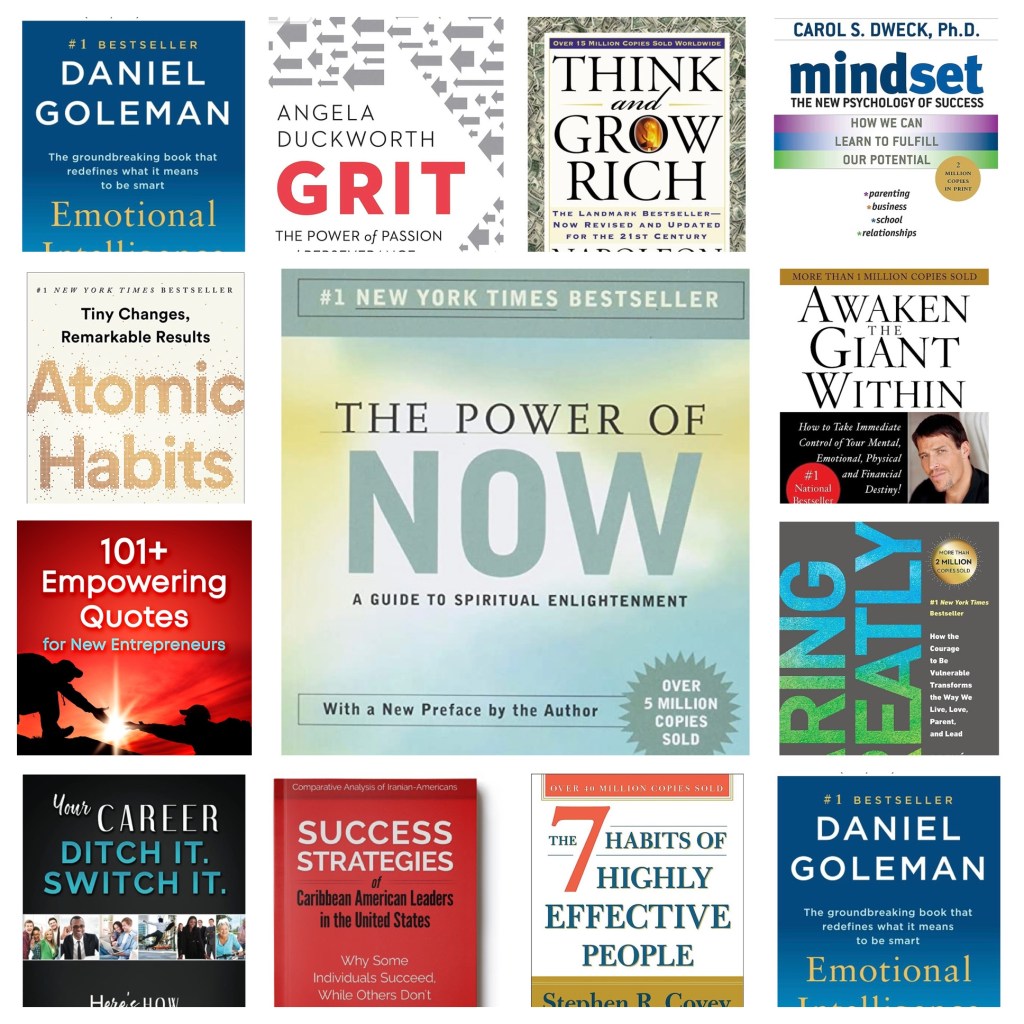
Top 10 Books For Personal Development…

One can choose to go back toward safety or forward toward growth. Growth must be chosen again and again; fear must be overcome again and again.

Abraham Maslow

Personal development is a broad field, and the “top” books can vary based on individual preferences and needs. However, here are 10 highly recommended books that cover a range of personal development topics.

  1. “The 7 Habits of Highly Effective People” by Stephen R. Covey This classic book focuses on principles for personal and interpersonal effectiveness, helping readers transform their lives through a holistic approach.
  2. “Awaken the Giant Within” by Tony Robbins Tony Robbins offers strategies for taking control of your emotions, finances, relationships, and life in general, enabling you to achieve your goals and dreams.
  3. “Atomic Habits” by James Clear James Clear presents a practical guide to creating and maintaining positive habits, breaking bad ones, and ultimately mastering the tiny behaviors that lead to remarkable results.
  4. “Daring Greatly” by Brené Brown Brené Brown explores vulnerability, shame, and the importance of embracing imperfections as a means of fostering courage, connection, and authenticity.
  5. “Mindset: The New Psychology of Success” by Carol S. Dweck Carol Dweck introduces the concept of “fixed” vs. “growth” mindsets and how adopting a growth mindset can lead to personal and professional success.
  6. “Think and Grow Rich” by Napoleon Hill Napoleon Hill outlines the principles and mindset necessary for achieving financial success and personal fulfillment through positive thinking and strategic planning.
  7. “Grit: The Power of Passion and Perseverance” by Angela Duckworth Angela Duckworth explores the importance of passion and perseverance in achieving long-term goals and personal success.
  8. Ditch It Switch It by Dr Shelly Cameron is for those who are miserable, stuck, dissatisfied, afraid, stressed, longing for personal growth or those who have a passion for entrepreneurship. It will help readers prepare to take the plunge to get out of your comfort zone.
  9. “The Power of Now: A Guide to Spiritual Enlightenment” by Eckhart Tolle Eckhart Tolle offers insights into the power of living in the present moment and escaping the tyranny of your thoughts, leading to a more peaceful and fulfilling life.
  10. “Emotional Intelligence: Why It Can Matter More Than IQ” by Daniel Goleman Daniel Goleman discusses the significance of emotional intelligence in personal and professional success, emphasizing the importance of understanding and managing emotions.
  11. “The Subtle Art of Not Giving a F*ck” by Mark Manson Mark Manson challenges conventional self-help advice and encourages readers to embrace life’s challenges and uncertainties, focusing on what truly matters.

Remember that personal development is an ongoing journey, and these books can serve as valuable resources to help you gain new insights, develop healthy habits, and cultivate a positive mindset. It’s also a good idea to explore various books and authors to find those that resonate most with your unique goals and aspirations.

Happy reading! Happy growing!

Travel with Intent

A photographer's view of the world - words and images to inspire your travels and your dreams

Answering daily prompts

In this blog I'm attempting to answer wordpress daily prompts

Alex Tafur

Property Maintenance

Poesy Perspectives

embrace the magic

GREENLiGHT

When God Says Go

HEALTH | INSPIRATION

Mind • Body • Life

My Sister My Friend

Family. Youth. Parenting

Kamileon Photography

Your Focus. Our Lens.