
Before You Read The GreenLight Factor, Meet the Woman Who Lived It

I Am Woman

Every book has a story behind it. This one is mine.

Before The GreenLight Factor existed as a book, it existed as a life. A series of roles, rooms, and relationships that quietly shaped everything I now know about leadership.

I want to do something I don’t always make time for: properly introduce myself. Not just my credentials, but the journey behind them.

I Am a Certified Master Leadership Coach

This isn’t a title I hold lightly. Becoming a Certified Master Leadership Coach meant times of deep study, practice, and honest self-examination. It means I have sat across from myriads of leaders. Leaders at all levels and helped them find what was already inside them.

The greatest coaching insight I have ever received? The green light is rarely about permission from the outside. It’s about permission from within.

I was recognized for exemplary service within the community. As a result, I continue my quest to help Crown the Next Generation. Being the strategic leader and archetect behind the 30 Under 30 Emerging Leader in Washington DC, is testament to my commitment to emerging leadership development. I have served as Chief Judge and now working towards celebrating the 10th Anniversary of the program in June.

There is nothing more powerful than watching a young leader step into their own green light.

I Led HR Strategy Across the Andina & Caribe Region for a Big Pharma Company

Operating across cultures, languages, and borders taught me that leadership is not one-size-fits-all. The best leaders I encountered, and tried to be, were the ones who led with both strategy and soul. Who understood that behind every org chart is a human being trying to do meaningful work.

That experience is woven into every page of this book.

I Served as VP of the Hospitality & Human Resource Association of Broward County (HHRABC), FL and President of the Writers Group of South Florida

I have always believed that leadership must extend beyond the walls of any organization. Community leadership taught me that showing up especially when no one is keeping score, is one of the most important things a leader can do. And leading a writers’ group? That lit a fire in me that culminated from my other books on leadership, success, inspiration and faith.

And Now, here’s my Newest Book

The GreenLight Factor is the book I wish I’d had at the beginning of my leadership journey.

It’s not a manual. It’s a mirror. A roadmap built from real experiences. It exemplifies the wins, the pivots, the moments of doubt. The breakthroughs that came when I finally stopped waiting for someone else to give me permission to lead boldly.

I wrote it for the leader who knows they are capable of more but keeps waiting for the “right” moment. For the professional who has been told to wait their turn. For anyone who has ever dimmed their own light to make others more comfortable.

Your green light is already on.

One More Thing

If you stay around long enough, you will also learn that I am a mom to two incredibly driven, slightly workaholic adult children who work in the corporate world. I take partial credit and full responsibility for any overachieving tendencies. 😄

And I am grand mom to two dogs, one a beagle. Who are without question the wisest members of my youngest household. These dogs are the greatest teacher of strategic rest I have ever encountered.

I share all of this not to show you that the path to this book was not a straight line. It was a full, layered, beautifully imperfect leadership journey.

And that’s exactly what The GreenLight Factor is about.

Thank you for being here. Follow along. The best is yet to come.

💚 With purpose.

Author Community Showcase

Life has no limitations, except the ones you make. ~Les Brown

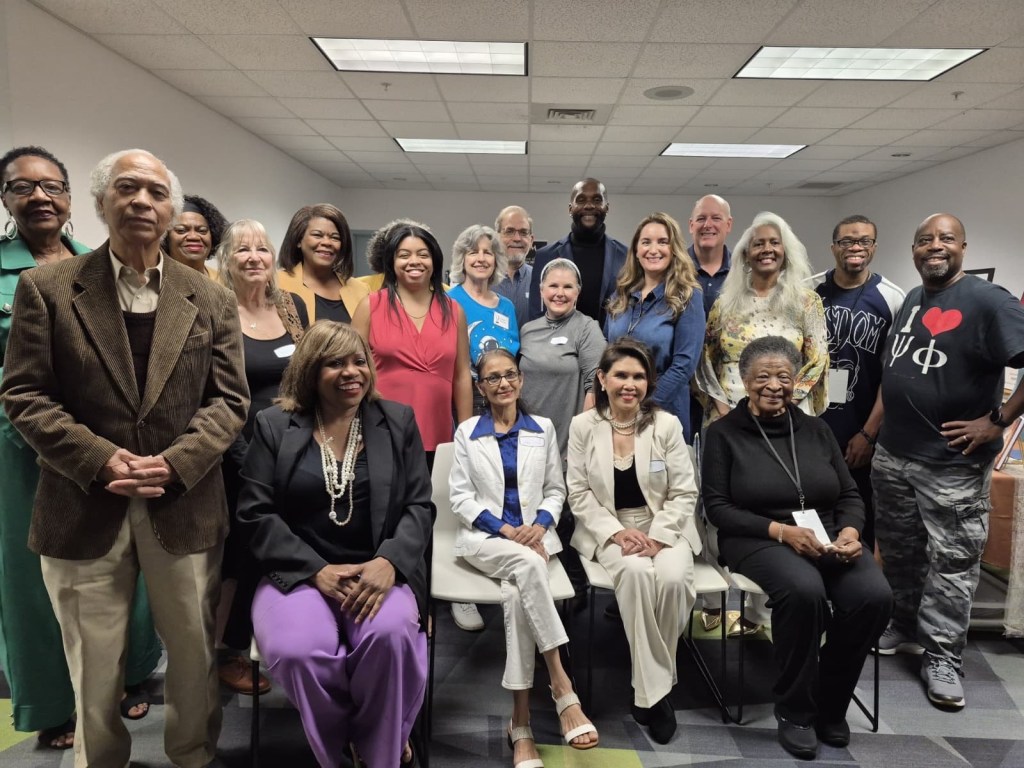
Such an honor to facilitate the gathering of leaders and creatives. The influence, and impact reminds me of why I engage in the work of leadership development.

The intrigue on the faces of attendees, aspiring, debut and seasoned authorpreneurs left a lasting impact. The Greenlight Leadership Factor was definitely felt.

Located minutes from the Broward Mall, the West Regional Library provided the perfect location for easy accessibility for both authors and patrons.

The rich learnings and takeaways was indeed a vibe. Can’t wait to build the craft as the learnings excite.

Thanks to all who made the event a success Dale Mahfood for moderating the panel discussion with Dr Rose Stiffin Filmmaker Jeff Carroll
and Bles Chavez-Bernstein
led to an engaging time with the community. Event hosted by West Regional Library in partnership with Writers Group of South Florida

As the saying goes,

Writers write. Readers read. Together they are one.

Cheers!

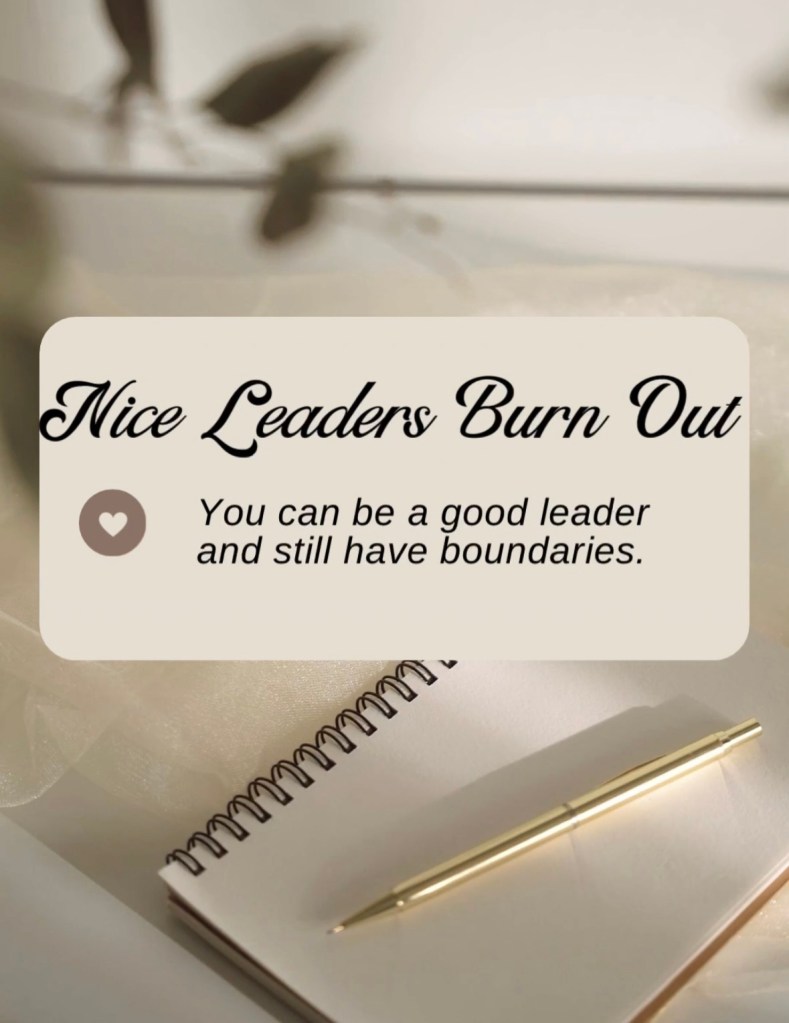
Overly Nice Leaders Burn Out

Being a “Nice” leader without Boundaries often lead to:

•Overcommitment
•Emotional exhaustion
•Resentment
•Being the default problem-solver for everyone

Support doesn’t mean self-sacrifice.
Availability doesn’t mean 24/7

Boundaries are not unkind.
They are a leadership skill

The leaders who last long-term learn how to say:

🔭I can help. Here’s when
🔭That’s not mine to carry
🔭Let’s find a better process

If you feel stretched thin but still “showing up” for everyone…
It may not be a workload issue
It may be a Boundary Gap.

If this resonates, let’s explore.

Master Decision-Making with the GreenLight Leadership Framework

Subscribe to continue reading

Subscribe to get access to the rest of this post and other subscriber-only content.

Why Select IG Posters Fear Visibility

Doing it for the Gram

Sherry reached out. She had stopped posting on social media because her colleagues were commenting that they liked what she was posting. Alarmed, she ‘got into her head’ and stopped posting. During a coaching session she shared her inner dialogue as she contemplated her podcasting experience.

This happens all the time. It’s actually a sign the leader is growing and starting to get visibility. It’s not that they are doing anything wrong.

When people begin watching, liking, commenting, and sharing, the individual poster suddenly feels, “They’re watching me.”

  • “Now I have to be perfect.”
  • “What if I say the wrong thing?”
  • “What if they think I’m trying too hard?”
  • “What if I’m judged by colleagues, family, church, old classmates?”
  • “Now I have pressure to keep going.”
  • So instead of it feeling like support, it feels like a spotlight.

What’s Really Happening (The Psychology)

When the audience grows, the individual moves from “posting casually” to feeling like they are:

✅ being evaluated
✅ being monitored
✅ being compared
✅ being expected to perform

It becomes an identity shift, from private person to being a public leader. That transition can trigger fear, perfectionism, and imposter syndrome.

Why the Poster Stops Posting. Here are the most common reasons:

1) Performance Pressure. They think: “Now I have to keep delivering.”
So they pause until they feel “ready” which essentially becomes avoidance.

2) Fear of Judgment. Even positive attention can feel unsafe if they’re not used to being visible.

3) Fear of Success. The brain says: “If I get bigger, I’ll have more responsibility and more criticism.”

4) Over-identifying with the audience. They start posting for approval instead of posting with purpose.

Here’s How to Resolve It

Here are some solutions to resolve it.
1) Reframe: Being watched is a leadership signal. Replace, “They’re watching me” with:

  • “My voice is working.”
  • “I’m building trust.”
  • “People are paying attention because it resonates.”

Remember Visibility is not danger. It’s influence.

2) Create a new rule: “I post to serve, not to impress.” A simple mantra: “I’m not auditioning. I’m contributing.” Or: “This is leadership, not performance.”

3) Lower the stakes with a “minimum posting standard.” Perfection kills consistency. A simple baseline may be:

✅ 2 posts per week
✅ or 1 post + 3 comments per week
✅ or 3 short posts (no more than 5 sentences)

Make it non-negotiable and small. Consistency builds safety.

4) Use a “quiet confidence” posting style. If you’re shy, don’t force yourself to be loud. Formats that feel professional and safe are:

  • “3 quick lessons I learned this week…”
  • “A reminder for leaders navigating change…”
  • “Here’s a simple framework I use with clients…”
  • “One thing many leaders overlook is…”

5) Create boundaries around who gets access. Sometimes the fear is “too many people know me.” Here are some solutions.

  • Hide/limit certain audiences (Facebook has options)
  • Use LinkedIn as their primary “professional stage”
  • Don’t read comments immediately (algorithm aside)
  • Reply in batches (twice a week)
  • Visibility needs boundaries.

6) Normalize the discomfort: it’s growth, not danger. “Your nervous system is not used to being seen. That doesn’t mean stop. It means you’re expanding.”

This is what is called leadership exposure therapy:

  • Post
  • Feel nervous
  • Survive it
  • Repeat

Soon the fear fades.

7) Pre-write content so your emotion doesn’t control your action. Confidence is unreliable, systems are reliable. Try building:

  • 20 post prompts
  • 5 “signature topics”
  • 10 reusable frameworks

In this way you’re not deciding what to post while anxious.

In essence, you’re not shy. You’re adjusting to visibility. People watching means you are becoming influential. If you stop posting, the fear wins, and your future audience loses. So play it safe by using a simple posting schedule and low-pressure formats until visibility feels normal.

What has been your experience? Is there anything you would like to add? What worked for you? Please share. We would love to hear.

Cheers!

5 Tips for Finding Your Perfect Writing Retreat

The Writing Space

Write. Rewrite. When not writing or rewriting, read. I know no shortcuts. ~Larry L. King

Where do I write? In a quiet place. A place where I can hear my thoughts, the stirrings of my heart, my soul. I write whenever it hits. I must stop, record, write. If I do not do so immediately; in a flash, it’s gone. So I have learnt to capture the words as they come. Anywhere, anytime, anyhow.

Create the Mental Space To Write

Here are some thoughtful ways to create that mental space without spending money:

  1. Transform a familiar space into something new. Rearrange your bedroom or living room completely. Move furniture, change what’s on the walls, even face your bed a different direction. The psychological shift of being in a “new” environment can be surprisingly powerful for fresh thinking.

2. Create a personal retreat schedule at home. Pick a day where you treat your home like a retreat center; no work, no obligations, phone on airplane mode. Wake early.

  • Do some stretching or meditation,
  • Make yourself a special breakfast with what you have
  • Spend blocks of time journaling or thinking through your goals
  • Take a long walk,
  • Prepare meals mindfully.

The structure and intentionality matter more than the location.

3. Explore your area like a tourist. Walk or bike to neighborhoods you’ve never been to, even if they’re just a few miles away. Bring a journal and find a park bench, a library reading room or quiet corner in a coffee shop (you don’t have to buy anything). Simply find a place where you can sit and think. The act of physically moving through new spaces often helps mental clarity.

4. Do an overnight “camping” experience somewhere free. Your backyard, a friend’s yard, a balcony, or even just sleeping in a different room with the windows open (yikes)! The change in where you sleep and wake can genuinely shift your perspective.

5. Visit a place of worship or quiet public space. Many churches, temples, or meditation centers welcome people to sit quietly even if you’re not a member. Libraries, botanical gardens, or even certain hospital chapels can offer peaceful refuge for reflection.

The key is breaking your normal patterns (different sights, sounds, routines, even in the sky). This helps your brain step out of autopilot mode and think more expansively about your future.

Here’s hoping these tips will help you as they did me. Where’s your favorite space to write? Any missing that you would like to add? Do share. We would love to hear.

Cheers!

10 Side Hustles For Money Lovers

Making money is easy. It is. The difficult thing in life is not making it. It’s keeping it. ~Jim Rohn

Sophie reflected on the plans she desired to achieve. The challenge? Achieving them required money beyond her regular earnings to cover monthly expenses (mortgage, childcare, general living). But what about things like student loan debt, a special birthday getaway trip? Things that are not the norm but the exception? Things that your regular budget will not allow? Not to mention income diversification and financial independence. These are so important these days yet it seems out of reach for many. Here are 10 side hustles for the brave goal hustler:

  1. Financial Coaching or Career Coaching (High Demand). Perfect if you enjoy guiding people. You can specialize in:
  • Budgeting + debt payoff coaching
  • Career coaching for early professionals in finance
  • Money-mindset coaching
  • Financial wellness workshops for small businesses

Income Range: $75–$250/hour
Why it works: People need guidance but don’t always need a financial advisor.

  1. Bookkeeping Services for Small Businesses. Many small entrepreneurs don’t need a full CFO, just someone to handle:
  • QuickBooks setup
  • Monthly bookkeeping
  • Payroll
  • Reconciliation

Income Range: $300–$2,500 per client monthly
Easy entry: QuickBooks and Xero both offer certifications.

  1. Freelance Financial Analyst. Offer your skills on platforms like Upwork or Fiverr. Build financial models:
  • Market analysis
  • Profitability reviews
  • Budget creation
  • Forecasting

Income Range: $30 – $150/hour
Why it works: High-demand specialized skillset.

  1. Tax Preparation (Seasonal but Lucrative). If you’re familiar with taxation, this is one of the most reliable recurring side hustles.
  • Individual tax returns
  • Small business tax support
  • Tax planning sessions

Income Range: $150–$1,500 per client
Bonus: High repeat business.

  1. Financial Content Creation. You can earn by creating:
  • YouTube videos
  • LinkedIn ghostwriting for finance CEOs
  • Personal finance blogs
  • Paid workshops or courses
  • Instagram carousels on money tips

Income Range: $500–$5,000/month (once consistent)
Your finance background makes your insight more credible.

  1. Build & Sell Financial Templates. If you like Excel or Google Sheets, create:
  • Budget spreadsheets
  • Loan calculators
  • Investment trackers
  • Business financial dashboards
  • Startup financial model templates

Sell on Etsy, Gumroad, or your website.
Income Range: $500–$7,000/month (passive once created)

  1. Virtual CFO or Fractional Finance Manager. For small and mid-sized businesses that can’t afford a full-time CFO. You help with:
  • Profit strategy
  • Cash flow improvement
  • Cost reduction
  • Financial decisions and KPIs

Income Range: $1,500–$10,000/month per client
Very strong for someone with corporate finance or HR background.

  1. Corporate Training & Workshops. As a finance professional, you can teach:
  • Financial literacy
  • Budgeting for non-financial managers
  • How to read financial statements
  • Cash-flow management for entrepreneurs

Income Range: $750–$5,000 per workshop
Perfect for in-person or online seminars.

  1. Real Estate Analysis or Consulting. You don’t need to be a realtor. You can help:
  • Investors analyze deals
  • Provide ROI calculations
  • Compare rental vs purchase
  • Run cash-flow models

Income Range: $150–$1,000+ per project.

  1. Grant Budget Preparation. Nonprofits often struggle with the financial portion of grants. You can prepare:
  • Grant budgets
  • Financial narratives
  • Cost allocation

Income Range: $300–$3,000 per grant
Very high need in small nonprofits.

There you have it. Ideas to start earning dollars on the side. Go ahead choose one or two if you dare. But remember, balance is key and maintaining your regular job obligations is important.

Any missing that you would like to add? Do share. We would love to hear!

Cheers!

3 Tips To Manage Leadership Overthink

Take time to deliberate, but when the time for action has arrived, stop thinking and go in. ~Napoleon Bonaparte

Ever found yourself checking and rechecking about a decision you have to make. It might be a presentation, a college selection, submission of a business proposal or even a marriage proposition (yikes)! It happens. It’s called overthinking which is defined as:

Putting too much time into thinking about or analyzing (something)

Overthinking is one of the biggest blocks for both leaders and business owners because it drains time, energy, and confidence. Here are 3 tips to stop overthinking.

1. Decide. Then Detach

Perfection isn’t progress. Once you’ve made a well-informed decision, commit then detach from the fear of “what if.” Every decision gives feedback: it either moves you forward or teaches you what to adjust. Leaders who wait for certainty often miss their moment.

2. Shift From Thinking to Doing

Action is the antidote to overthinking. When you’re stuck in analysis, your mind loops on the same thoughts. But when you take even a small step, such as sending the email; posting the content, calling the client; actions like these contributes to you gathering real data, not imagined fears.

3. Practice Mental Stillness

Overthinking thrives in noise. Silence and stillness help you separate truth from fear. Try journaling, prayer, or a five-minute “mind reset” before diving into decisions. It’s not laziness, it’s leadership discipline.

COACHING INSIGHT

Overthinking often signals self-doubt, not lack of skill. Leadership coaching helps identify those inner beliefs and build confidence. It then replaces the cycle of worry with a rhythm of wise action.

How about you? Are you an overthinker? Which of the 3 tips can you implement now? On the other hand, were you an overthinker? If so, how did you get over it? Do share. We would love to hear.

Cheers!

Elevate Your Leadership: Key Questions to Shape 2026

Who looks outside dreams; who looks inside, awakens. ~Carl Jung

As the year closes, the most effective leaders are the ones who pause long enough to evaluate, realign, and elevate. These 12 questions are designed to help you step confidently into 2026 with clarity, courage, and intention.

Take a moment to reflect on each. Use them to guide your vision, your team, and your next level of growth. Strong leadership doesn’t happen by accident. It’s built through awareness, alignment, and action.

Reflection Questions

1. What are my top 3 leadership wins from 2025?


2. What drained my energy this year, and why?


3. What habits strengthened my leadership?


4. What habits weakened it?


5. What opportunities did I ignore that I should revisit?


6. What does success look like for me in 2026?


7. What limiting belief must I leave behind?


8. Who do I need to become next year?


9. What relationships do I need to nurture?


10. What boundaries do I need to create?


11. What skills must I develop or sharpen?


12. What is ONE bold move I will take before Jan. 31?

If you’d like support creating a strategic leadership plan for the new year, join the year-end and January coaching sessions. This is designed for leaders in transition and professionals preparing for a stronger 2026.

What will you do differently next year? Which question resonated with you the most? Do share. We would love to hear.

Cheers!

Setting Goals: Key to Overcoming Crises

Together we Grow

Ann, a historian and extreme planner, had an adventurous time touring Greece with her husband. During the trip, she shared photos of places she had learned in her undergraduate program. As they began their return trip, civil unrest occurred blocking all flights to leave Turkey, cruise and all. Quick decision, they decided to get out of the country whichever way they could. Both landed in Paris, only to be separated to get back home to the USA. Separation was a non-issue. Their goal was to return safely to their two kids waiting back home.

Times of Crises

There are times of crises as in Ann’s case. But most often we do have opportunities to plan ahead. Financiers will preach that we should plan for times of crises too.

Why is it important to set goals? Because if you don’t know where you’re going, any road will take you there. Where you will end up, who knows? That’s when you will just have to go with the flow.

Goalsetting is the process of identifying desired outcomes and creating a plan of action to achieve them, providing a sense of direction, motivation and focus

So why do we need to set goals? Because setting goals is the process of identifying desired outcomes and creating a plan of action to achieve them, providing a sense of direction, motivation and focus.

That’s the reason it a pleasure to facilitate the writing process with authors. The event was held at the Broward County’s West Regional Library in Plantation, Florida. This session focused on Writers Goal Setting for 2026 books through the Writers Group of South Florida.

If you are an aspiring author, or are ready to take your leadership to the next level and need a copy of the Goal-Setting guide, connect to get yours today. Leadership Assessment also available.

Not an author but ready to take your leadership to the next level through setting your 2026 goals, let’s chat. Referrals are warmly welcomed.

Cheers!

Which Type of Entrepreneur Are You And What’s Your Biggest Challenge?

Life’s too short to learn from your own mistakes. Learn from others.

Every entrepreneur faces moments of doubt, exhaustion, and uncertainty. First-time founders, side hustlers, and small business owners constantly navigate the ups and downs of entrepreneurship. Whether they are launching their first startup, grinding through a side hustle, or scaling past a plateau; mindset shifts and motivation is needed to keep pushing forward.

Here are the top 5 Challenges Entrepreneurs face. As you review these characteristics, which can you identify with the most?

1.The First-Time Founder (0-2 years in business)

Characteristic: Everything is new, scary, and overwhelming. They’re discovering that entrepreneurship is 10 times harder than they imagined. Every setback feels like potential failure.

What they’re dealing with:

  • Imposter syndrome at peak levels
  • No roadmap or proven process to follow
  • Financial stress and uncertainty
  • Isolation (left their corporate network behind)
  • Constant self-doubt about their decisions

How to Stay Motivated: “You’re not alone in feeling this way.” Know that “It gets easier as you learn”

2.The Side Hustler (Building while Employed)

Characteristic: They’re living a double life. They are exhausted, stretched thin, and constantly questioning if they should quit their job or give up the dream.

What they’re dealing with:

  • Working 60-80 hour weeks between job + business
  • Guilt about time away from family
  • Progress feels painfully slow
  • Watching others succeed faster
  • Energy depletion and burnout risk

How to Stay Motivated: “Your pace is valid” + “Every hour invested compounds”

3.The Struggling Scaler (Stuck at a revenue plateau)

Characteristic: They’ve proven the concept works, but can’t break through to the next level. The excitement has worn off, replaced by grinding frustration.

What they’re dealing with:

  • Revenue flatlined for 6-12+ months
  • Doing everything themselves (can’t afford to hire)
  • Comparing themselves to “overnight successes”
  • Questioning their business model
  • Burnout from working IN the business vs ON it

How to Stay Motivated: “Plateaus are part of growth” + “Breakthrough is closer than you think”

4.The Solopreneur (No co-founder, no team)

Characteristic: They make every decision alone, celebrate wins alone, and face failures alone. The loneliness is crushing.

What they’re dealing with:

  • Decision fatigue (no one to bounce ideas off)
  • Wearing every hat (CEO, marketer, accountant, customer service)
  • No one to catch them if they fall
  • Feeling like giving up but having no one to hold them accountable
  • Craving validation that they’re on the right track

How to stay Motivated: “Your independence is strength” + “Solitude doesn’t mean you’re doing it wrong”

5.The Comeback Entrepreneur (Failed before, trying again)

Characteristic: They’re carrying baggage from past failures. Every challenge triggers memories of “what happened last time.” They need courage to keep going despite the scars.

What they’re dealing with:

  • Fear of repeating past mistakes
  • Judgment from people who saw them fail
  • Financial pressure (often starting with less capital)
  • Self-trust issues (“Can I actually do this?”)
  • Imposter syndrome amplified by previous failure

How to Stay Motivated: “Failure was data, not destiny” + “Most successful entrepreneurs failed first”

Honorable Mentions:

  • The Mid-Life Career Changer: Left stability for uncertainty, facing age discrimination and “what have I done?” panic
  • The Minority/Underrepresented Entrepreneur: Fighting systemic barriers while building, needing validation in spaces that don’t always welcome them
  • The Post-Pivot Founder: Had to abandon their original idea and start over, grieving the old vision while building the new one

Which did you identify with most? Deeply reflect and if you need help, let’s connect.

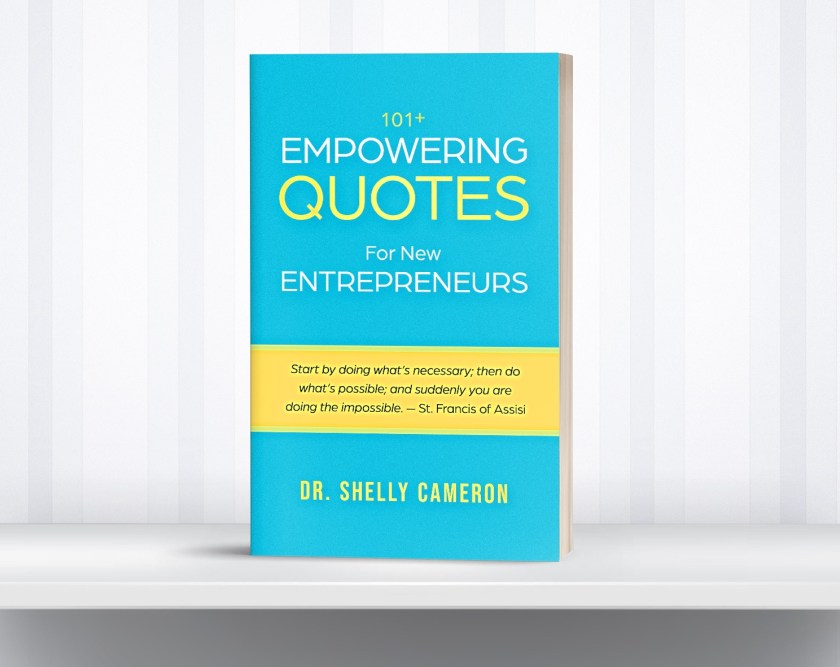
Otherwise, gift a copy of 101+ Empowering Quotes to the entrepreneur in your life. It’s available in eBook, paperback, and hardcover formats, all under $20. It’s the thoughtful gift that fits in a stocking and inspires all year long.

What makes this gift special? It’s genuinely useful. Unlike generic presents that collect dust, this book becomes a go-to resource on tough days. The portable size fits perfectly in stockings, bags, and on desks. And at under $20, you can afford to gift it to your entire network of entrepreneurs, coworkers, or team members.

Give the gift of daily inspiration. Give them the reminder that they’re not alone in this journey.

Travel with Intent

A photographer's view of the world - words and images to inspire your travels and your dreams

Answering daily prompts

In this blog I'm attempting to answer wordpress daily prompts

Alex Tafur

Property Maintenance

Poesy Perspectives

embrace the magic

GREENLiGHT

When God Says Go

HEALTH | INSPIRATION

Health, Reflection, and Poetry for the Journey of Life

My Sister My Friend

Family. Youth. Parenting

Kamileon Photography

Your Focus. Our Lens.