What Can Exposure Do for You?

Exposure is the act of placing yourself deliberately, in environments that are bigger, faster, or more demanding than the ones you currently occupy.

Outdoor basketball court with ball on ground and sunset over water

Perhaps the most terrible (or wonderful) thing that can happen to an imaginative youth…is to be exposed without preparation to the life outside his or her own sphere.

Stepping into new arenas whether on the court, in the boardroom, and everywhere in between, can change the trajectory of your life.

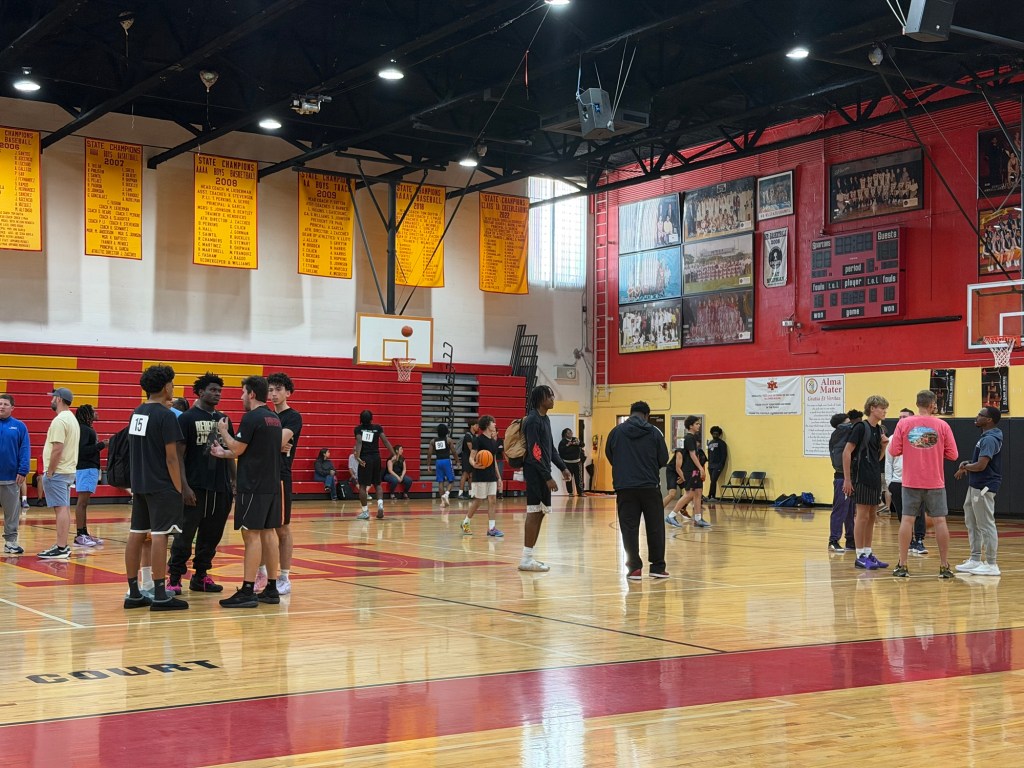
It started as a simple conversation about basketball camp.

My teenage nephew had been eyeing a summer program. It was one of those intensive week-long camps where serious young players come together to train, compete, and grow. Was it about the drills? The coaches? The three-point shooting clinics? Sure, partly. But when we sat down and talked about why it really mattered, one word kept rising to the surface:

Exposure

The more I thought about it, the more I realized that exposure isn’t just a basketball concept. It might be one of the most underrated forces in human development. For athletes, yes. But just as powerfully for aspiring leaders, young professionals, and anyone standing at the edge of something new, wondering whether to jump.

What Exposure Actually Means

We throw the word around casually. “It’ll be good exposure.” But what are we really saying?

Exposure is the act of placing yourself deliberately, in environments that are bigger, faster, or more demanding than the ones you currently occupy. It’s the difference between reading about competition and feeling it. Between hearing about leadership and practicing it under pressure.

For my nephew, basketball camp means going up against players who are better than him. It means his weaknesses will be visible to coaches, to peers, to himself. That sounds uncomfortable because it is. But that discomfort is precisely the point. Exposure forces an honest accounting. You learn, very quickly, where you actually stand.

The Three Gifts Exposure Gives You

1. A Realistic Mirror

Most of us live inside a bubble. It might be our neighborhood team, our school, our workplace, our friend group. Within that bubble, we develop a sense of who we are and what we’re capable of. Sometimes that sense is accurate. Often, it isn’t.

Exposure shatters the bubble, gently or not so gently.

When my nephew steps onto a court with players from across the state, kids who have been training just as hard, maybe harder, he will get a truer picture of his game. Not to discourage him, but to inform him. What needs work? Where does he genuinely excel? What habits has he developed that will not hold up at a higher level?

Leaders face the exact same reckoning. A manager who’s brilliant within their own team can be humbled the moment they sit at a table with peers from other organizations. That humbling isn’t failure, it’s information. And information is the raw material of growth.

2. A Larger Network

Here’s a truth that sounds almost too practical: the people in the room matter as much as the experience itself.

At basketball camp, my nephew won’t just learn from coaches. He will meet players from different cities, with different stories and different styles. Some of those connections will fade. A few might last for years. One might lead somewhere he can’t yet imagine, a friendship, a recommendation, or an opportunity down the road.

This is exactly how exposure works for aspiring leaders. Conferences, stretch assignments, cross-functional projects, mentorship programs. These aren’t just resume builders. They are relationship laboratories. Every new environment you enter expands the constellation of people who know your name, your work, and your character.

Networks built through shared experience are different from networks built through LinkedIn requests. They carry weight because they carry memory.

3. An Expanded Sense of What’s Possible

Perhaps the most quietly powerful gift of exposure is this: it rewires your imagination.

When you have only ever seen one way of doing things, that way feels like the way. Exposure introduces you to other ways, other styles of play, other models of leadership, other definitions of excellence. And once you have seen them, you can’t unsee them.

My nephew might watch a point guard at camp move in a way he’s never seen before and suddenly realize that style of play is available to him, too. He didn’t know to want it until he saw it. That’s what exposure does. It expands the menu.

For leaders, this might look like visiting a company with a radically different culture, or watching a mentor handle a crisis with grace you didn’t know was possible, or sitting in a room where someone younger than you is making decisions with a confidence that quietly raises your standards for yourself.

Exposure Requires Courage

Let’s not romanticize this too much. Exposure can be uncomfortable, even painful. It requires showing up in spaces where you are not yet the expert. It requires being seen before you’re ready. It requires the willingness to look at least temporarily, like someone who doesn’t have it all figured out.

That’s a lot to ask. Especially of a teenager. Especially of someone who has worked hard to project confidence in their current environment.

But here’s the thing about leaders who consistently grow; they develop a tolerance for being the least experienced person in the room. They learn to treat that feeling not as a threat to their identity, but as a signal that they’re in the right place.

The discomfort of exposure is the sensation of your ceiling rising.

How to Seek Exposure Intentionally

Exposure doesn’t always announce itself. Sometimes you have to go looking for it. Here’s how to start:

  • Say yes to the uncomfortable invitation. The panel you weren’t sure you were qualified for. The networking event in an unfamiliar industry. The stretch project that scares you a little. Say yes first, and figure out the rest after.
  • Choose environments that challenge your assumptions. Seek out people who think differently, lead differently, and have succeeded by different paths than you have mapped out for yourself.
  • Reflect on what you observe. Exposure without reflection is just tourism. After every new experience, ask yourself: What surprised me? What did I learn about my own gaps? What do I want to try differently?
  • Be patient with the timeline. Exposure plants seeds. Some of them take years to grow. Don’t measure the value of an experience only by what it produces immediately.

Back to the Basketball Court
Are you willing to step

into the room?

My nephew is going to that camp. He will face players who are faster, more polished, maybe more confident. He will have moments of doubt and moments of revelation. He will come home with sore legs, new connections, and if he’s paying attention, a clearer sense of both who he is and who he could become.

That’s not a small thing. That’s everything.

Whether you’re sixteen and chasing a dream on a basketball court, or thirty-five and stepping into your first leadership role, or fifty and pivoting into something entirely new, exposure is available to you. It’s not reserved for the “already-great”. It’s how the ordinary become exceptional.

So the question isn’t whether exposure can do something for you.

The question is: are you willing to step into the room?

Sometimes the most important thing you can do is simply show up somewhere bigger than where you have been.

How have you experienced exposure in your personal growth? Do share, we would love to hear.

Cheers!
What If It’s Not Failure You’re Avoiding… But Success?

Our deepest fear is that we are powerful beyond measure.

Quiet Fear of Success

Our deepest fear is that we are powerful beyond measure. ~Marianne Williamson

Believe it or not, I spent years researching leadership and success, exploring what truly drives high-achieving leaders forward. What I did not expect to find so often in practice was not just a fear of failure:

but a quiet, often unspoken fear of success.

Not because leaders don’t want to succeed, but because they understand, consciously or not, that success changes things.

  • It raises expectations.
  • It increases visibility.
  • It shifts relationships.
  • It demands a new level of responsibility.

And sometimes, it requires becoming someone you have never been before.

I’ve worked with high-potential leaders who hesitate at the exact moment they are ready to move forward. Not due to lack of capability, but because of what that next level will require of them.

This often shows up as:

  • Overthinking instead of deciding
  • Staying “busy” instead of moving forward
  • Delaying opportunities that are clearly aligned
  • Downplaying readiness

At its core, it’s not about ability. It’s about identity. And sometimes, the quiet question underneath it all is:

“Am I ready for the version of me this will require?”

This is where intentional leadership matters. Because growth isn’t just about skill, it’s about alignment.

In the GreenLight Framework, this is your Yellow Light moment:
Pause. Reflect. Assess. Not to retreat, but to move forward with clarity and conviction.

Leadership Reflection:
What opportunity have you been hesitating on, not because you are unprepared, but because stepping into it will change you?

That might not be your red light. It might be your green light, waiting on your decision.

Who Are Emerging Leaders?

Leadership is unlocking people’s potential to become better.

~Bill Bradley

Inspire others to shine and you will ignite a chain reaction of positive change.

A dialogue began during a session on leaders and their development. I decided to delve further by deeply veering into the topic. Discovered that it is a rich and important conversation that sits at the intersection of leadership development theory, generational expectation, and evaluation equity. Here’s a deeper dive as we breakdown this topic.

Emerging Leaders Characteristics?

Emerging leaders are individuals in the early stages of their leadership journey. They are actively developing their skills, identity, and influence, but not yet at a place of sustained, institutionalized leadership. In research literature, emerging leadership is characterized by three things:

1.Potential over proof. The emphasis is on trajectory where someone is heading, not just what they have already accomplished. Howard Gardner’s work on developmental intelligence makes clear that leadership capacity unfolds over time, not all at once.

2.Learning through doing. Emerging leaders grow by being in the work, making mistakes, gaining feedback, and iterating. This is distinct from experienced leaders, who are expected to execute with consistency.

3.Context dependency. A young person leading a neighborhood initiative at 19 may be demonstrating the same core competencies as a mid-level corporate manager. The distinction lies in the different arena they operate in. One with far fewer resources and far less institutional support.

For the 18–30 age range specifically, research from the Center for Creative Leadership notes that this cohort is navigating identity formation alongside leadership formation. Essentially, this is a dual developmental burden that older leaders simply did not carry at the same career stage.

The Real Tension: Impact vs. Development

The debate being described takes into account the question, are they making deep impact or just learning? This reflects a false binary that can quietly disadvantage young leaders, particularly those from underrepresented communities.

The truth is: learning IS impact when done in community. A 20-year-old who organizes a voter registration drive and turns out 50 first-time voters is both developing their leadership AND creating measurable community change. These are not mutually exclusive.

The problem arises when seasoned leaders apply an experienced leader lens to an emerging leader context. This creates what scholars call developmental mismatch. Essentially, evaluating someone by a standard designed for a stage they haven’t reached yet.

The deeper issue is that “impact” is often unconsciously defined by visible, large-scale outcomes, e.g. numbers, events, funding raised. But leadership science (and my own research on Caribbean American leaders) tells us that transformational influence often begins quietly. It is a mentoring relationship, a cultural shift in a small organization, a peer who was pulled back from the edge.

Bridging the Gap: A Framework for Equitable Evaluation

Here is a practical framework that could guide organizational evaluators in assessing emerging leaders fairly. This is grounded in developmental leadership theory:

1. Evaluate Against a Developmental Rubric, Not an Achievement Rubric The question shouldn’t be “How big was the impact?” but rather “How sophisticated was the leadership relative to their age, resources, and context?” A tiered rubric with age-anchored benchmarks helps evaluators calibrate expectations appropriately.

2. Assess Five Dimensions, Not Just Outcomes Rather than focusing on what was accomplished, evaluate:

  • Initiative — Did they identify a need and act on it without being told?
  • Influence — Did they move others toward a shared goal?
  • Reflection — Can they articulate what they learned and how they would grow?
  • Resilience — Did they navigate setbacks?
  • Reach — What was the ripple effect, even if small in scale?

3. Contextualize the Playing Field A young leader with institutional backing (a university, a nonprofit, a mentor network) has a structural advantage over one working with no resources in an under-served community. Evaluators should be trained to add context points, not penalize for resource gaps.

4. Separate Potential from Performance and Score Both A strong evaluation system might include two scores: one for demonstrated impact (what they did) and one for leadership potential (the quality of thinking, character, and vision they showed). This prevents high-potential candidates from being overlooked because their circumstances limited their output.

5. Train Evaluators in Developmental Bias Awareness Many managers don’t realize they are applying a “polished professional” standard to a “learning in public” candidate. A short pre-evaluation calibration session with sample profiles discussed as a group, creates shared understanding and reduces inconsistency across organizations.

6. Let the Candidate Define Their Own Impact Ask candidates directly: “What does success look like at your stage of development?” This echoes my own mantra to define success for yourself. This encourages self-awareness and gives evaluators a window into how intentionally the candidate is approaching their personal growth.

The Bottom Line

Emerging leaders should be evaluated on the quality of their leadership journey, not just the quantity of their outcomes. The goal of programs like the Ignite Caribbean 30 Under 30 is not simply to reward those who have already arrived. It is to identify, affirm, and accelerate those who are on their way. That distinction has to be built into how organizational evaluators prepare for the performance review process.

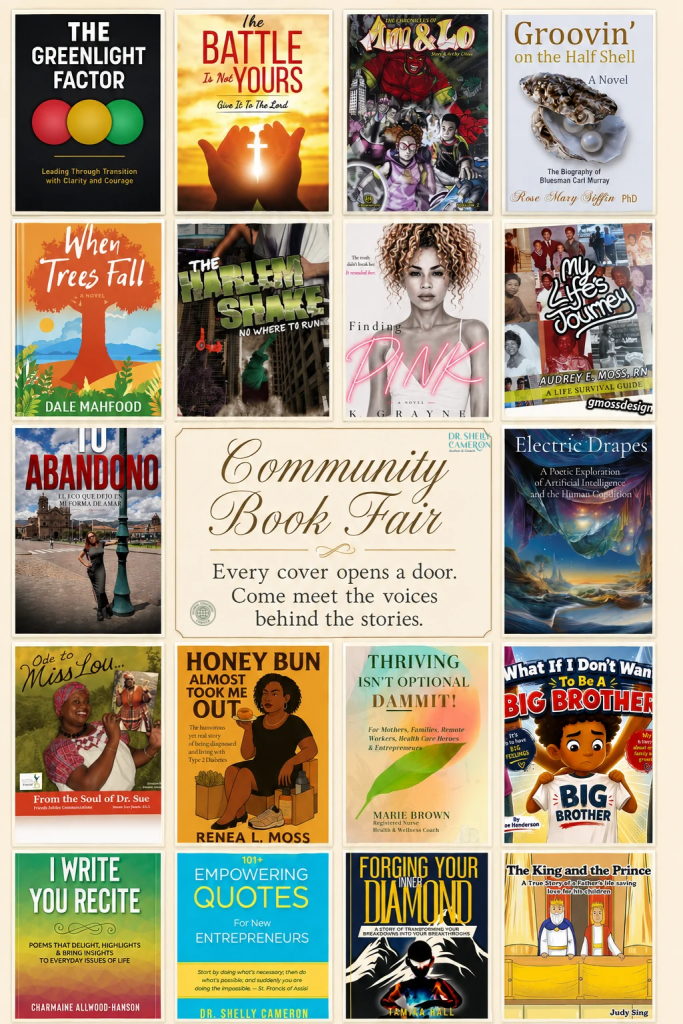
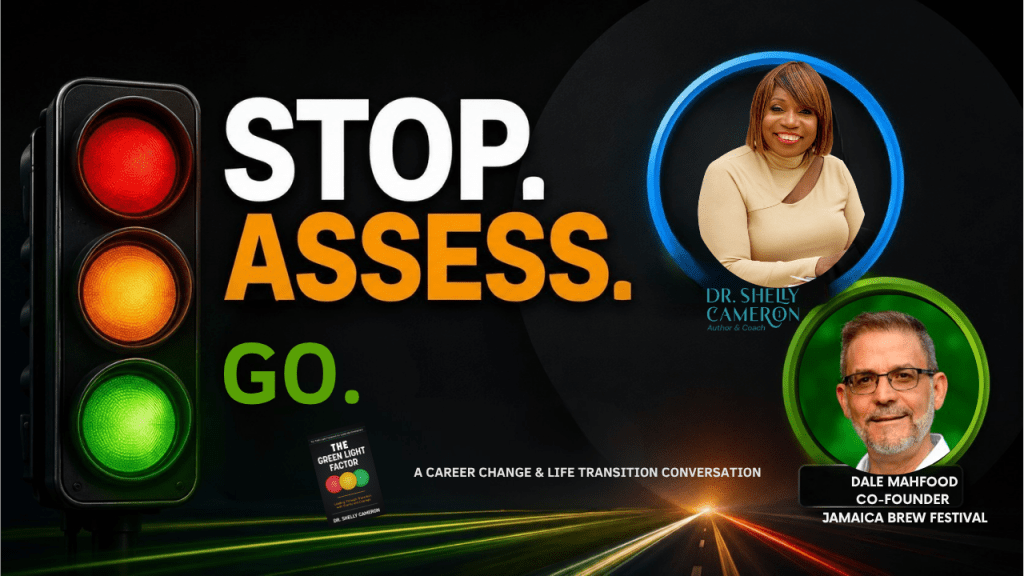
After ten years of judging hundreds of emerging leaders, one pattern kept showing up, the most extraordinary nominees were not the ones with the biggest platforms or the most resources. They were the ones who had already given themselves permission to lead. They did not wait for a title, a stage, or a panel of judges to tell them they were ready. That observation, among others can be gleaned from the book, The GreenLight Factor (a Leadership Development Framework). Get your copy or join the lab today.

What process does your organization use to ensure equity across performance review assessments? Do share. We would love to hear.

Cheers!

Before You Read The GreenLight Factor, Meet the Woman Who Lived It

I Am Woman

Every book has a story behind it. This one is mine.

Before The GreenLight Factor existed as a book, it existed as a life. A series of roles, rooms, and relationships that quietly shaped everything I now know about leadership.

I want to do something I don’t always make time for: properly introduce myself. Not just my credentials, but the journey behind them.

I Am a Certified Master Leadership Coach

This isn’t a title I hold lightly. Becoming a Certified Master Leadership Coach meant times of deep study, practice, and honest self-examination. It means I have sat across from myriads of leaders. Leaders at all levels and helped them find what was already inside them.

The greatest coaching insight I have ever received? The green light is rarely about permission from the outside. It’s about permission from within.

I was recognized for exemplary service within the community. As a result, I continue my quest to help Crown the Next Generation. Being the strategic leader and archetect behind the 30 Under 30 Emerging Leader in Washington DC, is testament to my commitment to emerging leadership development. I have served as Chief Judge and now working towards celebrating the 10th Anniversary of the program in June.

There is nothing more powerful than watching a young leader step into their own green light.

I Led HR Strategy Across the Andina & Caribe Region for a Big Pharma Company

Operating across cultures, languages, and borders taught me that leadership is not one-size-fits-all. The best leaders I encountered, and tried to be, were the ones who led with both strategy and soul. Who understood that behind every org chart is a human being trying to do meaningful work.

That experience is woven into every page of this book.

I Served as VP of the Hospitality & Human Resource Association of Broward County (HHRABC), FL and President of the Writers Group of South Florida

I have always believed that leadership must extend beyond the walls of any organization. Community leadership taught me that showing up especially when no one is keeping score, is one of the most important things a leader can do. And leading a writers’ group? That lit a fire in me that culminated from my other books on leadership, success, inspiration and faith.

And Now, here’s my Newest Book

The GreenLight Factor is the book I wish I’d had at the beginning of my leadership journey.

It’s not a manual. It’s a mirror. A roadmap built from real experiences. It exemplifies the wins, the pivots, the moments of doubt. The breakthroughs that came when I finally stopped waiting for someone else to give me permission to lead boldly.

I wrote it for the leader who knows they are capable of more but keeps waiting for the “right” moment. For the professional who has been told to wait their turn. For anyone who has ever dimmed their own light to make others more comfortable.

Your green light is already on.

One More Thing

If you stay around long enough, you will also learn that I am a mom to two incredibly driven, slightly workaholic adult children who work in the corporate world. I take partial credit and full responsibility for any overachieving tendencies. 😄

And I am grand mom to two dogs, one a beagle. Who are without question the wisest members of my youngest household. These dogs are the greatest teacher of strategic rest I have ever encountered.

I share all of this not to show you that the path to this book was not a straight line. It was a full, layered, beautifully imperfect leadership journey.

And that’s exactly what The GreenLight Factor is about.

Thank you for being here. Follow along. The best is yet to come.

💚 With purpose.

Get Up And Move

All truly great thoughts are conceived while walking. ~ Friedrich Nietzsche

Get up and move. That’s me. Finally selected a ‘walking’ friend in another state. I’d have her as an accountability partner for my need-to-move decision. To exercise. To stay healthy. To think. To write. My goal was simple. Walk at minimum twice weekly as a start (secretly hoping for more). But two times per week was manageable. After-all, the week has 7 days. I drive out of town a lot so twice should be achievable.

And We’re Off!

Walked 30 minutes! Yea! I did it. Before our midweek check-in, my friend sent me a video on the 2nd day. I screamed by text. “Don’t rush me or don’t bother with the accountability.”

Then I looked at the video. It was doing sit ups. Rolled my eyes since of late I have been experiencing a bit of back pain. There’s no way I can go that low much less to do the sit up.

Then I did it. Oh so satisfying! Yippee!

Next Steps

I snuck away. The weather wasn’t great. Cold. Windy. But I walked. Went a slightly longer route to get to the regular route. Why? Because there was a lady slowly running ahead of me. Not wanting to bump into her space (or more-so she into mine), I walked around. She ran ahead, then disappeared. Nowhere in sight.

I walked along. It worked to my benefit because I added another 10 minutes to my stretch. Horrible back pains but I did it slowly, but surely. Stopping to stretch along the way.

Got home. Did what I love. Wrote about my steps in this medium. Hmm, what if this is an inspiration to write, to put it in a journal of sorts?

Climbed the stairs. Then looked at the wide-open space between rooms and laid on the floor. Guess what I did? 30 sit-ups in blocks of 5 and 10. I’m so very proud of me!!!

I think I can do this! Again. I’ll keep going. One would never believe I was a track and field athlete (smirk).

So that’s how you do all things uncomfortable. No matter what it is. Career, education, financial, relationship, homeownership. Whatever your goal, you accomplish it one step at a time. One day at a time. Bigger goals become accomplished.

Cheers!

Why Select IG Posters Fear Visibility

Doing it for the Gram

Sherry reached out. She had stopped posting on social media because her colleagues were commenting that they liked what she was posting. Alarmed, she ‘got into her head’ and stopped posting. During a coaching session she shared her inner dialogue as she contemplated her podcasting experience.

This happens all the time. It’s actually a sign the leader is growing and starting to get visibility. It’s not that they are doing anything wrong.

When people begin watching, liking, commenting, and sharing, the individual poster suddenly feels, “They’re watching me.”

  • “Now I have to be perfect.”
  • “What if I say the wrong thing?”
  • “What if they think I’m trying too hard?”
  • “What if I’m judged by colleagues, family, church, old classmates?”
  • “Now I have pressure to keep going.”
  • So instead of it feeling like support, it feels like a spotlight.

What’s Really Happening (The Psychology)

When the audience grows, the individual moves from “posting casually” to feeling like they are:

✅ being evaluated
✅ being monitored
✅ being compared
✅ being expected to perform

It becomes an identity shift, from private person to being a public leader. That transition can trigger fear, perfectionism, and imposter syndrome.

Why the Poster Stops Posting. Here are the most common reasons:

1) Performance Pressure. They think: “Now I have to keep delivering.”
So they pause until they feel “ready” which essentially becomes avoidance.

2) Fear of Judgment. Even positive attention can feel unsafe if they’re not used to being visible.

3) Fear of Success. The brain says: “If I get bigger, I’ll have more responsibility and more criticism.”

4) Over-identifying with the audience. They start posting for approval instead of posting with purpose.

Here’s How to Resolve It

Here are some solutions to resolve it.
1) Reframe: Being watched is a leadership signal. Replace, “They’re watching me” with:

  • “My voice is working.”
  • “I’m building trust.”
  • “People are paying attention because it resonates.”

Remember Visibility is not danger. It’s influence.

2) Create a new rule: “I post to serve, not to impress.” A simple mantra: “I’m not auditioning. I’m contributing.” Or: “This is leadership, not performance.”

3) Lower the stakes with a “minimum posting standard.” Perfection kills consistency. A simple baseline may be:

✅ 2 posts per week
✅ or 1 post + 3 comments per week
✅ or 3 short posts (no more than 5 sentences)

Make it non-negotiable and small. Consistency builds safety.

4) Use a “quiet confidence” posting style. If you’re shy, don’t force yourself to be loud. Formats that feel professional and safe are:

  • “3 quick lessons I learned this week…”
  • “A reminder for leaders navigating change…”
  • “Here’s a simple framework I use with clients…”
  • “One thing many leaders overlook is…”

5) Create boundaries around who gets access. Sometimes the fear is “too many people know me.” Here are some solutions.

  • Hide/limit certain audiences (Facebook has options)
  • Use LinkedIn as their primary “professional stage”
  • Don’t read comments immediately (algorithm aside)
  • Reply in batches (twice a week)
  • Visibility needs boundaries.

6) Normalize the discomfort: it’s growth, not danger. “Your nervous system is not used to being seen. That doesn’t mean stop. It means you’re expanding.”

This is what is called leadership exposure therapy:

  • Post
  • Feel nervous
  • Survive it
  • Repeat

Soon the fear fades.

7) Pre-write content so your emotion doesn’t control your action. Confidence is unreliable, systems are reliable. Try building:

  • 20 post prompts
  • 5 “signature topics”
  • 10 reusable frameworks

In this way you’re not deciding what to post while anxious.

In essence, you’re not shy. You’re adjusting to visibility. People watching means you are becoming influential. If you stop posting, the fear wins, and your future audience loses. So play it safe by using a simple posting schedule and low-pressure formats until visibility feels normal.

What has been your experience? Is there anything you would like to add? What worked for you? Please share. We would love to hear.

Cheers!

5 Tips for Finding Your Perfect Writing Retreat

The Writing Space

Write. Rewrite. When not writing or rewriting, read. I know no shortcuts. ~Larry L. King

Where do I write? In a quiet place. A place where I can hear my thoughts, the stirrings of my heart, my soul. I write whenever it hits. I must stop, record, write. If I do not do so immediately; in a flash, it’s gone. So I have learnt to capture the words as they come. Anywhere, anytime, anyhow.

Create the Mental Space To Write

Here are some thoughtful ways to create that mental space without spending money:

  1. Transform a familiar space into something new. Rearrange your bedroom or living room completely. Move furniture, change what’s on the walls, even face your bed a different direction. The psychological shift of being in a “new” environment can be surprisingly powerful for fresh thinking.

2. Create a personal retreat schedule at home. Pick a day where you treat your home like a retreat center; no work, no obligations, phone on airplane mode. Wake early.

  • Do some stretching or meditation,
  • Make yourself a special breakfast with what you have
  • Spend blocks of time journaling or thinking through your goals
  • Take a long walk,
  • Prepare meals mindfully.

The structure and intentionality matter more than the location.

3. Explore your area like a tourist. Walk or bike to neighborhoods you’ve never been to, even if they’re just a few miles away. Bring a journal and find a park bench, a library reading room or quiet corner in a coffee shop (you don’t have to buy anything). Simply find a place where you can sit and think. The act of physically moving through new spaces often helps mental clarity.

4. Do an overnight “camping” experience somewhere free. Your backyard, a friend’s yard, a balcony, or even just sleeping in a different room with the windows open (yikes)! The change in where you sleep and wake can genuinely shift your perspective.

5. Visit a place of worship or quiet public space. Many churches, temples, or meditation centers welcome people to sit quietly even if you’re not a member. Libraries, botanical gardens, or even certain hospital chapels can offer peaceful refuge for reflection.

The key is breaking your normal patterns (different sights, sounds, routines, even in the sky). This helps your brain step out of autopilot mode and think more expansively about your future.

Here’s hoping these tips will help you as they did me. Where’s your favorite space to write? Any missing that you would like to add? Do share. We would love to hear.

Cheers!

3 Tips To Manage Leadership Overthink

Take time to deliberate, but when the time for action has arrived, stop thinking and go in. ~Napoleon Bonaparte

Ever found yourself checking and rechecking about a decision you have to make. It might be a presentation, a college selection, submission of a business proposal or even a marriage proposition (yikes)! It happens. It’s called overthinking which is defined as:

Putting too much time into thinking about or analyzing (something)

Overthinking is one of the biggest blocks for both leaders and business owners because it drains time, energy, and confidence. Here are 3 tips to stop overthinking.

1. Decide. Then Detach

Perfection isn’t progress. Once you’ve made a well-informed decision, commit then detach from the fear of “what if.” Every decision gives feedback: it either moves you forward or teaches you what to adjust. Leaders who wait for certainty often miss their moment.

2. Shift From Thinking to Doing

Action is the antidote to overthinking. When you’re stuck in analysis, your mind loops on the same thoughts. But when you take even a small step, such as sending the email; posting the content, calling the client; actions like these contributes to you gathering real data, not imagined fears.

3. Practice Mental Stillness

Overthinking thrives in noise. Silence and stillness help you separate truth from fear. Try journaling, prayer, or a five-minute “mind reset” before diving into decisions. It’s not laziness, it’s leadership discipline.

COACHING INSIGHT

Overthinking often signals self-doubt, not lack of skill. Leadership coaching helps identify those inner beliefs and build confidence. It then replaces the cycle of worry with a rhythm of wise action.

How about you? Are you an overthinker? Which of the 3 tips can you implement now? On the other hand, were you an overthinker? If so, how did you get over it? Do share. We would love to hear.

Cheers!

Starting Over At 50. Finding Purpose Again

Midlife transitioners face feelings of sadness especially when work, independence and purpose feel out of reach. This is a common scenario I have found in my coaching practice amongst mature women. They complain, sulk and feel ‘why bother’ (as in the case of a recent discussion). For women experiencing these feelings, here are 7 thoughtful strategies of how 50+-year-old women in this situation can begin moving forward. Adopting these strategies can help them regain control of their life, emotionally, practically, and spiritually.

1.Start With Emotional Healing

Before any external progress, healing the inner voice is key.

  • Acknowledge your feelings; grief, frustration, even shame, as valid. You’re not alone; many older adults feel invisible or “left behind” as the four stages of elimination in life profess.
  • Seek emotional support: a counselor, therapist, or support group for midlife depression can help rebuild self-worth.
  • Practice daily motivation and affirmations: “My life still has purpose.” “I am capable of starting again.” Small mindset shifts add up.
  • Faith & reflection: If you’re spiritually inclined, journaling prayers or reading devotionals about renewal (e.g., Isaiah 43:19… “Behold, I am doing a new thing…”) can anchor your hope.

2.Rebuild Self-Worth and Confidence

Depression often comes from feeling “useless,” so rediscovering value is important.

  • Revisit strengths and experiences. Make a list of past achievements, career skills, and life lessons.
  • Volunteer or mentor. Helping others (e.g., tutoring, mentoring younger professionals, or supporting community causes) reminds her that her wisdom matters.
  • Refresh her image. A new hairstyle, headshot, or wardrobe doesn’t just change how others see her — it helps her feel renewed.

3.Redefine Purpose and Direction

You may be entering a new season, not the end of your working life. Shift from “job-seeking” to “value-offering.” Instead of asking “who will hire me?” you should ask, “where can my experience help someone solve a problem?”

Consider flexible or freelance work:

  • Virtual assistant or remote admin work
  • Customer service, tutoring, or caregiving
  • Consulting in your former field
  • Selling crafts, baked goods, or eBooks online
  • Take free online courses (Coursera, Google Digital Skills, LinkedIn Learning) to update your skillset and confidence.

4.Improve Her Job Search Strategy

Age can be an advantage when presented with confidence and skill.

  • Update your resume and LinkedIn profile. Focus on experience, reliability, and mentoring skills rather than long timelines.
  • Network quietly and personally. Reach out to old colleagues or community connections; many opportunities come through relationships, not job boards.
  • Target age-friendly employers (AARP’s “Employer Pledge Program” lists companies committed to older workers).

5.Stabilize Finances and Environment

Small changes can ease immediate stress.

  • Seek community or senior resources: local housing or utility assistance programs, food banks, or financial coaching through nonprofits.
  • Budget for empowerment, not punishment. Even small control (like managing one bill or goal) restores agency.
  • Explore part-time or gig work (e.g., Instacart, pet-sitting, or online micro-tasks) as temporary bridges.

6. Build a New Daily Routine

Structure gives life purpose.

  • Morning: prayer, gratitude, short walk
  • Midday: job search, learning, or volunteer time
  • Evening: journal one positive action from the day
    Even a simple daily rhythm can counter the “stuck” feeling.

7. Believe in Renewal


It’s never too late to rebuild. Many people in their 50’s and beyond start new careers, businesses, and callings. Your story isn’t over…it’s shifting.
Be encouraged. See yourself not as “unemployed,” but as “relaunching.”

Reflection:

“If I could start fresh today, what small step would make me feel proud by the end of this week?”

Hope these strategies help you overcome these feelings of apathy. If you’re not in that sphere and know someone who might be, please share with them. We are also here to help women regain confidence for their new chapter.

Cheers!

How Can A Business Owner Overcome Fear of Marketing? 4 Steps-To-Success

Overcome Marketing Fear

At a networking event, a bold Networker spoke about her reluctance to use social media. She was hesitant about using it. She asked herself “why not enroll into a social media class?

How can a business owner overcome this fear? This is a powerful and timely question especially as we get close to the peak of the biggest holiday season. Most business owners are confident in their work but hesitant about visibility.

4 Ways to Overcome the Fear of Marketing as a Business Owner

Many business owners love what they do but freeze when it’s time to promote their work. They fear sounding “salesy,” being judged, or stepping into the spotlight. Yet, marketing isn’t about ego, it’s about service and connection. Here are some tips to negate that fear.

  1. Reframe “marketing” as “helping.”

Marketing is simply communicating the value of what you offer to people who need it. When you shift from “selling” to “serving,” fear loses its grip.
Ask yourself: Who needs this solution? How can I make it easier for them to find me?

  1. Start with authenticity, not perfection.

You don’t need perfect videos, fancy funnels, or flawless captions. You just need a clear message and consistency. Share your why, your story, and the transformation you help others achieve. Authenticity builds trust faster than polished perfection.

  1. Use your strengths.

If writing comes naturally, blog or post.
If you’re a people person, go live or network.
If you’re visual, create short reels or carousel posts.
Play to your natural communication style instead of forcing what feels unnatural.

  1. Build confidence through small wins.

Set simple, repeatable goals, one post a week, one short video, one client testimonial shared. Every time you take action, your comfort zone expands.

  1. Get coached through the fear.

A leadership or business coach can help you uncover the root cause of your fear. Whether it’s fear of rejection, comparison, or visibility and replace it with confidence and clarity.

Coaching helps you align your mindset, message, and methods so you can show up as a confident leader of your brand.


Coaching helps you align your mindset, message, and methods so you can show up as a confident leader of your brand.

Remember:
As with the business owner we spoke about, she learnedd that she did not have to love marketing, she just needed to see it as part of her leadership. She did and was happy to shout the benefits.

Remember, your voice, your story, and your offer could be the answer someone is praying for. Don’t let fear keep you silent.

Have you been hesitant to step out and share your work? Do share. We would love to hear.

Need help to make the move? Attend GreenLight Leadership Coaching Workshop

Cheers!

Why Smart Leaders Get Stuck at Crossroads & How to Move Forward

Subscribe to continue reading

Subscribe to get access to the rest of this post and other subscriber-only content.

When Leaders Face Dementia: How Do You Tell The World?

What happens when dementia touches the life of a leader? The impact reaches far beyond the individual. It affects families, caregivers, colleagues, and even public perception.

The Past Prime Minister of Jamaica, Portia Simpson-Miller was diagnosed with Dementia. Actor and famed Die Hard acclaim, Bruce Willis was recently transferred for deeper care. I thought of these leaders and pondered. Then decided to host a conversation to bring light to this issue for those suffering the early stages and the impact on caregivers.

In this thought-provoking panel discussion, Rianna Patterson MBPS a PhD student and former caregiver, Dr. Romario R. Simpson, JP physician, Chris Daley, explores the complexities of communicating, coping, and caring when dementia enters the public eye.

Emotional Challenges

Together, we unpack important questions:

  • How should public figures communicate a diagnosis while maintaining dignity and legacy?
  • What emotional and professional challenges do caregivers face behind the scenes?
  • How can organizations protect an affected leader with empathy and integrity?

This conversation bridges leadership, ethics, and humanity, offering insights for:
•Healthcare and HR professionals
•Executives and communication leaders
•Caregivers and families
•Students and researchers in health and social sciences

Dementia is not just a medical condition, it’s a leadership, communication, and compassion challenge.

Time to Watch

Watch the full discussion on YouTube: https://lnkd.in/eaahEeqc

Join the conversation. Share your thoughts if you or someone you know is struggling with dementia.

Travel with Intent

A photographer's view of the world - words and images to inspire your travels and your dreams

Answering daily prompts

In this blog I'm attempting to answer wordpress daily prompts

Alex Tafur

Property Maintenance

Poesy Perspectives

embrace the magic

GREENLiGHT

When God Says Go

HEALTH | INSPIRATION

Health, Reflection, and Poetry for the Journey of Life

My Sister My Friend

Family. Youth. Parenting

Kamileon Photography

Your Focus. Our Lens.