Why I Wrote GreenLight: And The Problem I Kept Watching People Get Wrong

I’ve watched a lot of talented people make the same mistake.

Not the same decision, the same kind of mistake. The pattern shows up in different forms, at different career stages, for people in wildly different circumstances. But underneath the surface details, it’s always the same thing: they are making a significant decision from a place that isn’t theirs. From pressure, or expectation, or exhaustion, or the accumulated weight of what success is supposed to look like at their stage of life. And they’re moving fast, because our culture rewards speed and treats deliberation as hesitation.

The results are predictable. Not always dramatic. Sometimes just the slow accumulation of misalignment. The career that looks successful and feels hollow. The role that seemed right and slowly reveals itself as wrong. The decision made in the right direction for the wrong reasons, which turns out to matter more than most people expect.

I started writing The GreenLight Factor because I kept seeing this happen to people who deserved better tools.

The Intersection Nobody Prepares You For

We spend enormous resources preparing people to lead forward. How to execute, how to manage, how to navigate complexity and build teams and drive results. These are real and valuable skills. They are not the skills that determine whether someone builds a career and a life that is actually theirs.

The skill that determines that is navigational. It’s the capacity to arrive at a crossroads. A genuine moment of decision about direction, commitment, and cost, and make a wise choice rather than a reactive one. To know when to stop, when to pause, and when to go. And to do that from a foundation of genuine self-knowledge and clear values rather than from whatever the moment is asking of you.

Most people were never taught this. Not formally, not systematically. They navigate by instinct and imitation, or they follow the path that generates the most external validation, or they make decisions the way they have always made them and wonder why the results keep feeling off. The framework was not available to them.

The Greenlight Factor is an attempt to make it available.

Why traffic lights

The metaphor came from real life. From noticing how often the language people use when they are at a decision point is already traffic language. They talk about things feeling like a red flag. About needing to pause. About the sense that they should be moving but can’t quite go.

The language was already there. What was missing was the framework.

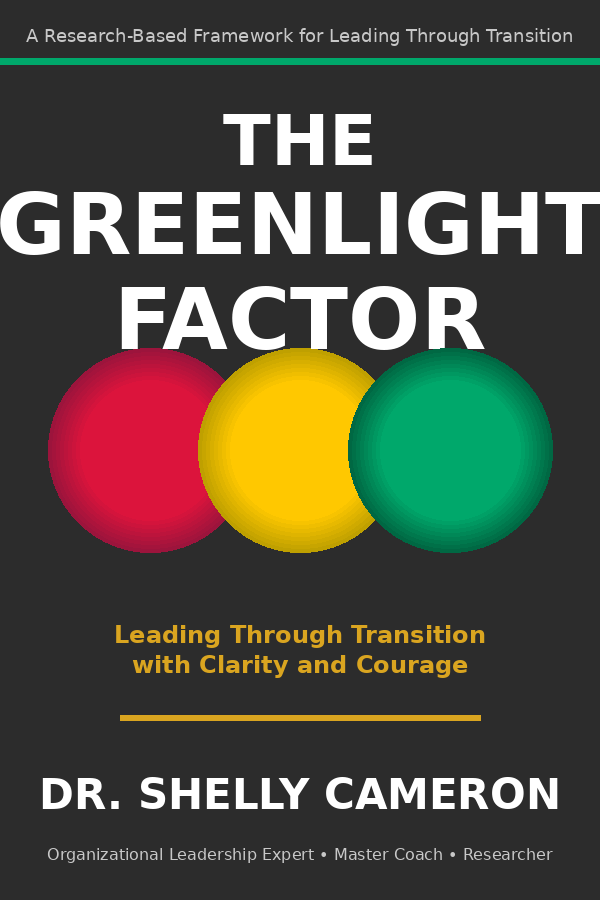
Traffic signals work because they are universal and instantly understood. You don’t need to learn them. You internalized them as a child. Red means stop. Yellow means proceed with caution. Green means go. The framework translates that universal language into the territory of leadership transitions. The moments when you have to figure out whether to halt your current trajectory, pause for reflection and recalibration, or move forward with confidence.

Three signals. Infinite intersections. The same need at every one, to read what’s actually showing, and honor it.

What The Book Is And Isn’t

The GreenLight Factor is not a book about how to make faster decisions. It’s a book about how to make wiser ones, and those two things are not the same. Some of the most important moves in the book involve slowing down, pausing deliberately, and sitting with uncertainty long enough to understand what it’s actually telling you.

It’s not a book about career optimization in the conventional sense. The people in the book’s pages are not chasing maximum achievement. They are navigating toward lives that are genuinely theirs, aligned with their values, suited to their actual wiring, chosen from the part of them that knows what they need rather than the part that knows what looks impressive.

And it’s not a book about having all the answers. It’s a book about developing the capacity to sit with the questions long enough to find the ones that matter, and to trust what you find when you do.

Who It’s For

  • It’s for the person who has everything they are supposed to want, yet can’t figure out why it doesn’t feel like enough.
  • The person who is standing at an intersection they can’t name, feeling a signal they don’t have language for. The person who keeps almost moving and doesn’t know why they are still parked.
  • It’s for the person watching someone they care about make a decision that doesn’t look right from the outside, and not knowing how to say so in a way that lands.
  • It’s for anyone who has learned to lead forward and is still figuring out how to lead wisely.

That’s the problem I kept watching people get wrong. And this book is my best attempt at the framework that helps.

The traffic light doesn’t create the intersection. It just helps you navigate it safely. You’re already at an intersection. The question is whether you’re reading the signal.

The Greenlight Factor: Leading Through Transition is coming soon. Follow along here for more on the framework, the stories behind it, and the intersections that define how we lead our lives.

Cheers!

Maximize Holiday Book Sales: A Month by Month Guide

Effective preparation sets the stage for success and sparks creativity

Authors write, publish and leave expecting miracles. It doesn’t happen. Authorship happens mostly by accident as writers choose to share what’s on their hearts. It might be a memoir, poetry, fiction or non-fiction. As their passion unfold, they write then later realize that they have suddenly been thrust into entrepreneurship! How do they get those books off bookstore shelves? Selected on amazon? Shared among family and friends? It behooves them to sit, pray, and wonder why their books just remains stagnant. Most often these are excellent stories that remains dormant for years, not gleaned by readers.

Realizing this pattern, the Writers Group of South Florida held a workshop. Hosted by the West Regional Library in Plantation. This initiative was facilitated by Dr. Shelly Cameron. Here’s a summary of the takeaway points that attendees authors gleaned.

AUGUST – SEPTEMBER: Build the Foundation & Warm Up Your Audience

  • Update book cover, blurb, and Amazon listing with holiday-friendly touches.
  • Secure podcast, blog, and media features for October–December.
  • Plan holiday content calendar (mix of promos, tips, behind-the-scenes, giveaways).
  • Launch pre-order bonuses or limited-time bundles.

October: Visible Campaign & Early Gift Push

  • Submit to gift guides, bloggers, and niche media lists.
  • Collaborate with other authors for holiday bundles or giveaways.
  • Feature reader testimonials and reviews on social media.
  • Run Early Bird discounts to attract early shoppers.

November: Holiday Sales Mode

  • Run a gratitude-themed campaign for Thanksgiving.
  • Offer Black Friday/Cyber Monday E-Book discounts or signed copy specials.
  • Partner with local stores for Small Business Saturday promotions.
  • Send an email countdown series leading up to Thanksgiving.

December: Final Holiday Push

  • Promote e-Books and gift certificates for last-minute shoppers.
  • Run a “12-Days-of-Christmas” themed social media series.
  • Position your book for New Year’s resolutions or inspiration.
  • Post thank-you messages and celebrate your readers

PRO TIPS for Conversions

  • Author Branding Matters: Use consistent holiday visuals across all platforms.
  • Offer Multiple Formats: Paperback, e-Book, Audio-book—make it easy to gift.
  • Make It Shareable: Create “I’m gifting this book!” social media graphics for readers to post.
  • Always Include a Call-to-Action: Don’t just post pretty images—always link to buy.
  • Track & Adjust: Watch which promos get clicks and double down on what works.

There you have it. Did one, two or a few of the above stand out for you? As a published author, which will you adopt? Do share, we would love to hear.

Happy Promoting!

Top 12 Places to Donate Your Books

With so many books to choose from, you’ll have the hard part of deciding which one to donate.

On Instagram I shared the hard task of purging my books. I have a million with little or no storage space. But what happened was…. During my purge, I ended up reading and re-claiming books.

I decided to share my work (purge in process), and an interested person asked, “where can you donate books?” I responded briefly but decided to post more here on the blog.

Popular and Unique Places to Donate Books

Local Donation Options

  1. Public Libraries
    • Many libraries accept gently used books for their collections or book sales.
    • Call ahead—they often have specific donation days or guidelines.
  2. Schools & Colleges
    • Especially helpful for children’s books, young adult novels, and textbooks.
    • Contact local principals, librarians, or teachers to ask if they need donations.
  3. Community Centers / YMCA / Local Clubs
    • Often accept books for literacy programs, tutoring, or community libraries.
  4. Hospitals & Nursing Homes
    • They may accept clean, gently used books for waiting rooms or patient use.
  5. Churches / Faith-Based Organizations
    • Great place to donate devotionals, spiritual books, or children’s materials.

Charitable Organizations

  1. Goodwill or Salvation Army
    • Accepts a wide range of books. Proceeds support their employment programs.
  2. Habitat for Humanity ReStores
    • Some locations take books to sell in support of housing projects.
  3. Books for Africa / Books Through Bars / Better World Books
    • Organizations that distribute books to under-served communities locally or globally.
  4. Little Free Library

Online / Specialized Options

  1. Freecycle.org / Buy Nothing Groups (Facebook)
    • Offer books locally for free and connect with those who want them.
  2. Local Prison Programs
    • Many prisons accept paperback books only. Check with local chaplains or nonprofits.
  3. Book Drives / Literacy Nonprofits
    • Check with local literacy organizations or Rotary Clubs—they may be running book drives.

Top 8 Audiobook Publishers You Should Know

Listening to the dulcet tones of a familiar voice is an appealing way to work our way through those books we’ve always meant to get around to, but haven’t.– Clare Thorp

You have written your book! Took it a step further and did the audiobook. Now what do you do? How do you get it into the hands of listeners? The options listed may help.

1. Audible (an Amazon company)

  • What they do: Industry leader in audiobook publishing and distribution.
  • Also produces: Audible Originals (exclusive content).
  • Website: audible.com

2. Tantor Media

  • What they do: Full-service audiobook publisher with a wide range of genres.
  • Known for: High-quality production and professional narration.
  • Website: tantor.com

3. Podium Audio

  • Focus: Sci-fi, fantasy, and thriller genres.
  • Notable for: Discovering and promoting indie authors with huge success (e.g., The Martian by Andy Weir).
  • Website: podiumaudio.com

4. RBmedia

  • What they do: One of the largest audiobook publishers globally.
  • Imprints include: Recorded Books, HighBridge Audio, Tantor Media, and more.
  • Website: rbmediaglobal.com

5. Dreamscape Media

  • What they do: Audiobook production and publishing for libraries, retail, and direct sales.
  • Also handles: Distribution to major platforms like Audible, Hoopla, OverDrive.
  • Website: dreamscapepublishing.com

🧰 Self-Publishing & Hybrid Options

6. ACX (Audiobook Creation Exchange)

  • Owned by: Amazon (works with Audible and iTunes).
  • For: Authors and publishers to create and distribute audiobooks.
  • Website: acx.com

7. Findaway Voices (by Spotify)

  • What they do: Allows authors to produce and distribute audiobooks across 40+ platforms (including Audible, Apple Books, Google, etc.).
  • Website: findawayvoices.com

8. Author’s Republic

  • What they do: Distribute audiobooks globally with easy access for self-published authors.
  • Website: authorsrepublic.com

Questions to Consider

Consider these questions before you make your selection.

  • Is the audiobook already recorded, or do you need help with narration/production? (e.g., voice talent, editing, mastering, etc.)
  • Are you looking to self-publish, or are you open to working with a publisher?
  • What is your target audience and platform preference? e.g., Audible, Spotify, Apple Books, libraries, global reach, etc.)
  • Do you want control over pricing and rights, or are you okay with royalty splits?
  • What’s the genre or focus of the content?
  • (e.g., business, leadership, fiction, memoir, etc.)

To Read Or Not To Read The AudioBook Way? 5 Benefits…

The book club. It was the first. The apologies came in droves. Oh I started but couldn’t finish. It was the kids, the husband, household chores and so much more. Who has time to read anyway?

My secret and I remained silent. I had ordered the required paperback to be read by the time the group met. But delivery time would be a few days before the meeting. For sure I would have barely started much less finished reading.

Audiobook Rescue

Then the idea came to me. Why not order the audiobook version online and start listening immediately? Then by the time the paperback arrived I could finish my reading with the hard copy. And that I did.

So as the group complained they finally asked and I told them what I did. The envy on their faces grew like a fiery furnace.

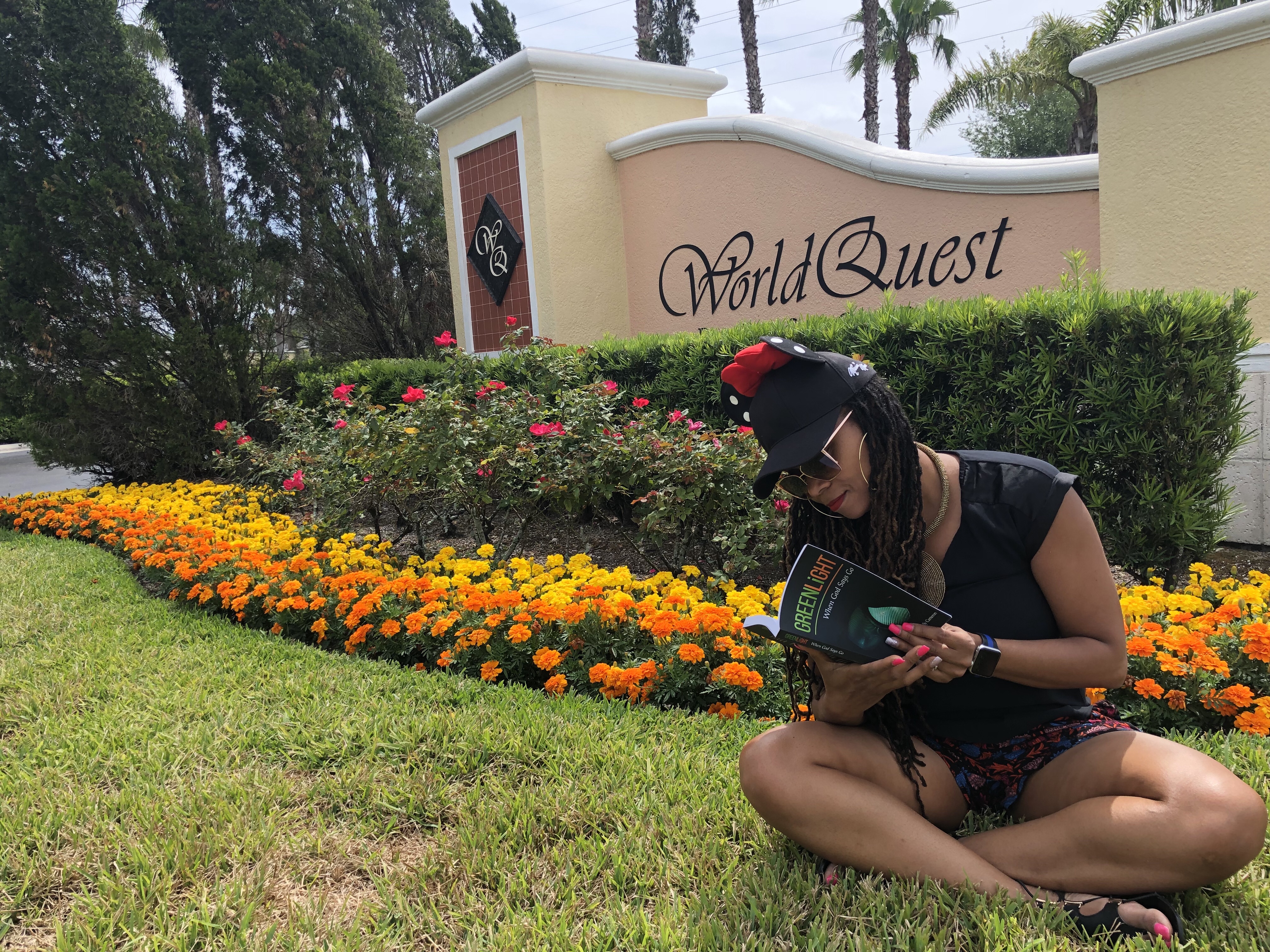
I shared that experience to acknowledge that audiobooks work. As an author of several books on Success, leadership, and career development, my last book was different. It was more inspirational. The book GreenLight is filled with anecdotes, uplifting short stories, prayers and exhortations. Readers share it’s encouraging benefits. Many inquired of its audio format. So I complied.

Audiobook Benefits

Not an audiobook reader? Here I share 5 advantages:

1. Better Time Management

2. Enjoy the convenience of multitasking. You can listen while working, commuting or running.

3. More than one one person can read simultaneously. Road trip anyone?

4. Greater reach for authors as consumers are given wider choices of eBook, paperback or audio. Whatever their reading style, there’s an option.

5. Ability to read more books in a shorter time.

So while some are skeptical, audiobooks is the fastest growing channel these days and offer great benefits to those still on the fence.

What kind of reader are you? Audio, paperback, eBook? Do share, we would love to hear!

Happy Reading!

The Grass Is Greener…

img_0468

The Grass is Greener when you read

Rivulet

Raindrops And Reading…

Reading

Raindrops and Reading at any age.

Such Prolific bliss to Partake on a weekend getaway.

The Perfect Reading Companion….

pexels-photo-64775.jpeg

We read to know we’re not alone

What is your favorite  activity when you grab that delightful book, and get lost in its world of Imagination? Barnes and Noble asked the question. Is it a cup of tea? Your pet? A cozy chair? Foreign? What’s your perfect reading companion?

Here I share  excerpts of those who enthusiastically shared their favs.

  • Rain, snacks, home alone, quiet
  • A cloudy or rainy day
  • Tea and chunky blanket
  • Dog, a blanket, and Earl Grey
  • My bed
  • Reading with a nice cup of ice tea
  • A warm blanket and the sound of the rain
  • A cosy chair with a cup of tea and a cat curled in lap
  • Coffee and comfy chair
  • Silence
  • Strawberry Milk and China Anne McClain
  • My couch
  • Relaxing music, PJs
  • Solitude
  • Rainy day by a fireplace
  • Wine, red wine

Travel with Intent

A photographer's view of the world - words and images to inspire your travels and your dreams

Answering daily prompts

In this blog I'm attempting to answer wordpress daily prompts

Alex Tafur

Property Maintenance

Poesy Perspectives

embrace the magic

GREENLiGHT

When God Says Go

HEALTH | INSPIRATION

Health, Reflection, and Poetry for the Journey of Life

My Sister My Friend

Family. Youth. Parenting

Kamileon Photography

Your Focus. Our Lens.