10 Ways To Help You Achieve Your Goals

Goals are the links in the chain that connect activity to accomplishment. —Zig Ziglar

Another year filled with regret at not achieving the goals Sabrina had set. Throughout her career she had helped others achieve their goals, yet it was at the expense of achieving her own personal goals. Something has to give.

If you are like Sabrina, here are some practical steps to help you achieve your goals:

1.Break Down Large Goals

    • Divide big goals into smaller, manageable sub-goals
    • Create a step-by-step action plan
    • Make each milestone specific and measurable
    • Set realistic timelines for each sub-goal

    2.Develop a Concrete Action Plan

    • Write down your goals in detail
    • Specify exactly what you want to achieve
    • Include specific deadlines
    • Identify potential obstacles in advance
    • Create strategies to overcome these obstacles

    3.Prioritize and Track Progress

    Use tools like:

    • Goal tracking apps
    • Physical planners
    • Digital spreadsheets
    • Regularly review and assess your progress
    • Adjust your plan if needed
    • Celebrate small victories along the way

    4. Build Accountability

    • Share your goals with trusted friends/family
    • Find an accountability partner
    • Join support groups related to your goals
    • Consider working with a coach or mentor

    5. Develop Consistent Habits

    • Create daily/weekly routines supporting your goals
    • Practice discipline and consistency
    • Use habit-tracking techniques
    • Start small and gradually build momentum

    Goals: Killing me Softly

    6. Enhance Motivation

    • Visualize success
    • Create a motivational vision board
    • Use positive affirmations
    • Reward yourself for reaching milestones
    • Maintain a growth mindset

    7. Continuous Learning

    • Acquire necessary skills
    • Read relevant books/materials
    • Take courses
    • Seek mentorship
    • Stay updated in your goal’s domain

    8. Manage Time Effectively

    • Use time management techniques
    • Prioritize tasks
    • Eliminate distractions
    • Practice focused work sessions
    • Use productivity tools

    9. Practice Self-Care

    • Maintain physical and mental health
    • Get adequate rest
    • Exercise regularly
    • Practice stress management
    • Maintain a balanced lifestyle

    10. Stay Flexible and Resilient

    • Accept that setbacks will happen
    • Learn from failures
    • Be adaptable
    • Maintain a positive attitude
    • Continuously reassess and adjust your approach

    Follow these steps to achieve your goals as you step into a new phase of your career. Need help? Let’s connect

    Cheers!

    Why Year-End Triggers Career Reflection

    You can get excited about the future. The past won’t mind. ~Hillary DePiano 

    The end of the year naturally invokes a period of career reflection, which serves as a psychological milestone that compels professionals to pause and assess their journey. As the calendar approaches its final weeks, individuals are instinctively drawn to introspection, triggered by a combination of cultural traditions, personal goal-setting practices, and an innate human desire for growth and meaning. This time of reflection is fueled by the contrast between the year’s accomplishments and unfulfilled aspirations, creating the opportunity for honest self-evaluation (hint …that common ideal weight loss plan).

    Also read: Conquering Transition Doubts

    The approaching new year symbolizes renewal and potential, encouraging professionals to reflect on their career trajectory, measure progress against past objectives, and recalibrate their professional vision. Factors like annual performance reviews, financial assessments, industry shifts, and personal life changes converge during this period, making it an ideal time to critically reflect on career satisfaction, skill development, alignment with long-term goals, and potential opportunities for growth or transformation.

    Consequently, here are a number of pointers that discusses this period of reflection along with recommendation. Not a self-starter , we can help.

    Natural Evaluation Period

    • Annual performance reviews
    • Reflecting on past year’s achievements
    • Setting new personal goals
    • Psychological reset moment

    Emotional Triggers

    • Holiday season brings perspective
    • Family gatherings prompt life discussions
    • Increased time for self-reflection
    • Motivation from new year anticipation

    Professional Burnout

    • Accumulated workplace stress
    • Desire for meaningful change
    • Recognizing current job’s limitations
    • Seeking personal fulfillment

    External Evaluation

    • Social conversations about resolutions
    • Seeing others make bold moves
    • Increased motivational content
    • Feeling inspired by potential

    Strategic Approach

    • Budget reassessment
    • Career growth opportunities
    • Market trend observations
    • Personal development planning

    Motivational Approach

    • Embrace fear as growth signal
    • Start with small, low-risk steps
    • Build confidence gradually
    • Seek professional guidance
    • Create solid transition plan

    Recommended Actions

    • Self-assessment
    • Skill inventory
    • Informational interviews
    • Part-time exploration
    • Professional coaching
    • Continuous learning

    Are you experiencing any of these signs? If so, it’s time to do something about it. Adapt the motivational approach along with the recommended actions. But if you need the expertise of a coach who can help. Better yet, purchase a gift certificate for a friend experiencing these signs and help him/her kick off the new year with a difference.

    Develop Your Brand: A Blueprint For New Authors

    Your personal brand is a promise to your clients… a promise of quality, consistency, competency, and reliability.

    Tim Ferriss

    Many are the desires of the first-time author. Writing is the biggest. Often new authors find it overwhelming to write and see the manuscript to the end. When they do, the next step is often forgotten. Suddenly an author becomes and an entrepreneur – one in which they didn’t anticipate. Developing the book’s brand… yikes!

    It’s important to the book’s success and target audience awareness. Essentially, building an author brand is very important because a strong brand helps you stand out, attract readers, and build a loyal fanbase. Here are six (6) steps to get you started:

    Build Your New Author Brand

    1. Understand your Brand
      • How do you distinguish yourself in the literary world?
    2. Discover your Brand’s Identity
      • Reflect: Who are you as an author?
      • Who is your ideal Reader?
      • USP: What sets you apart?
    3. Create your author persona
      • Define your writing style, tone tc
      • Design consistent visual identity
      • Create author Bio to showcase achievements, background, writing journey
    4. Build your online Presence
      • Create author website to showcase books and engage with Readers
      • Choose social media platform where target audience hangout
    5. Engage your Audience
      • Develop content calendar
      • Engage with Readers
      • Connect with fellow authors
    6. Launch Book and Grow Brand
      • Create buzz and Lunch or Re-Launch your book
      • Collaborate to expand
      • Keep learning. Keep writing.
      • Be flexible and adaptable

    There you have it. What has been your experience with the writing process? Do share. We would love to hear.

    If you feel overwhelmed, let’s connect.

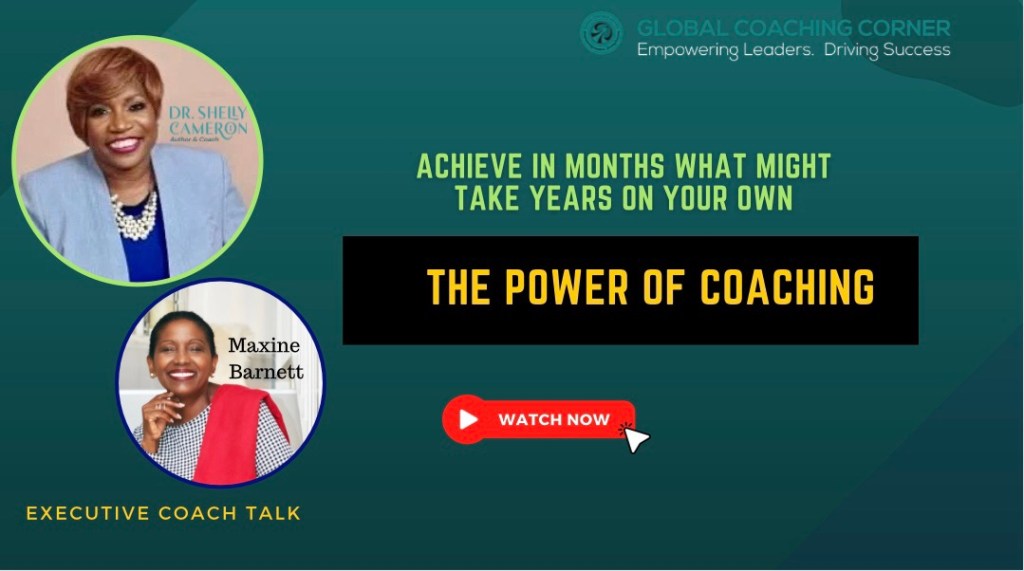
    Achieve In Months What Might Take Years On Your Own …

    Don’t let mental blocks control you. Set yourself free. Confront your fear and turn the mental blocks into building blocks.

    Dr. Roopleen

    Whether you feel stuck in your career, overwhelmed as a supervisor or simply want to maximize your performance, coaching could be the key to achieving in months what might take years alone. The top signs you will benefit from working with a coach are discussed in the video.

    • You feel stuck and unable to move forward.
    • You are struggling to Balance work, life and personal commitments.
    • You are in a Leadership role but feel out of your depth.
    • You are going through significant life or career transition.

    Invest less than 10 minutes to watch this video and discover the power of coaching for yourself! The returns could change the trajectory of your personal and professional life.

    9 Investment Strategies For New Entrepreneurs On A Tight Budget

    Don’t get distracted. Never tell yourself that you need to be the biggest brand in the whole world. Start by working on what you need at the present moment and then what you need to do tomorrow. So, set yourself manageable targets.

    Jas Bagniewski

    20% of new startups fail within the first year of business. This can be scary for first time entrepreneurs. So, the more prepared small businesses are, the more they can survive especially as it concerns making bold marketing steps which require some upfront investment. That said, here are some ideas to counteract those costs for a new business owner on a tight budget:

    1. Leverage free platforms – For example, start a free blog, post on LinkedIn, use free webinar services, publish a podcast using free hosting.

    2. Barter services – Exchange things like hosting an event or providing content in return for exposure from partnerships.

    3.Get sponsorships – Seek sponsorships from vendors/partners to help fund events, ads, giveaways. Offer sponsor visibility.

    4. Use DIY options – Design your own simple website, create your own flyers, give free talks at local libraries versus paid venues.

    5. Offer packages – Offer bundles and multi-session discounts to incentive larger purchases to increase revenue.

    6.Be guest instead of host – Guest blog, speak at other events instead of funding your own. Reduces costs.

    7. Tap into your network – Ask connections to share content, provide referrals, submit testimonials, write guest posts.

    8. Focus locally first – Start by promoting heavily just within your local community to establish proof of concept.

    9. Only invest where needed – Don’t overspend on unnecessary items. Prioritize money only where it will derive direct value.

    Essentially, the goal is to maximize existing free resources and opportunities where you can exchange services. The aim is to become creative in order to access cost-effective resources until you gain proof of return on investment, then you can increase spending.

    Which of the methods have you used? Can you add another method that has proven helpful? Do share. We would love to hear.

    Cheers!

    15 Steps To The Ideal Career For The New Ambitious Professional …

    Natalie, a frustrated high school graduate, had been in and out of jobs for four years after graduating high school. She was referred for coaching because she was annoyed at the way employers treated her and she refused to accept it. The lack of income did not help as she needed to meet her needs.

    This situation is common among young adults who are in the early stages of their career and ‘waiting’ for their ideal job (and yessss among others with years of experience too). The 15 Strategies listed can be adapted to secure employment, gain valuable experience and bring you closer to your ideal career.

    Career Goals: 15 Steps To Success

    1. Apply For Entry-Level Positions
    • Target entry-level positions in your field of interest.
    • Look for internships, apprenticeships, or part-time positions to gain hands-on experience.
    2. Enhance Your Resume
    • Highlight relevant skills, coursework, and any extracurricular activities.
    • Tailor your resume for each application to match the specific job requirements.
    3. Networking
    • Attend industry events, workshops, and networking mixers.
    • Connect with professionals on LinkedIn and engage in conversations.
    4. Online Job Platforms
    • Explore job search platforms like LinkedIn, Indeed, Glassdoor, and company websites.
    • Set up job alerts to receive notifications for relevant positions.
    5. Temporary Work or Freelancing
    • Consider taking temporary positions or freelancing opportunities to build your skills and network.
    • Platforms like Upwork or Fiverr can be good for freelancing gigs.
    6. Professional Development
    • Take online courses or certifications to enhance your skills.
    • Mention ongoing learning initiatives on your resume to showcase your commitment to personal and professional development.
    7. Volunteer Work
    • Offer your time to non-profit organizations or community projects.
    • Volunteering can provide valuable experience and demonstrate your dedication.
    8. Informational Interviews
    • Reach out to professionals in your field for informational interviews.
    • Gather insights, seek advice, and express your eagerness to learn from their experiences.
    9. Create Online Portfolio
    • Build an online portfolio showcasing your projects, coursework, or any freelance work.
    • Include a link to your portfolio on your resume and LinkedIn profile
    10. Skill Development
    • Identify skills in demand within your industry and work on acquiring them.
    • Online platforms like Coursera, Udemy, or Skillshare offer a variety of courses.
    11. Professional Social Media Presence
    • Ensure your LinkedIn profile is complete and professional.
    • Share relevant content and engage with professionals in your field.
    12. Industry Research
    • Stay informed about trends and changes in your desired industry.
    • Use this knowledge to tailor your applications and interviews.
    13. Career Counseling Services
    • Seek guidance from career counseling services offered by educational institutions or career centers.
    • They can provide insights into job opportunities and help you refine your career goals.
    14. Participate in Job Fairs

    Attend job fairs, both virtual and in-person, to connect with employers and explore potential opportunities.

    15. Soft Skills Development
    • Work on developing essential soft skills such as communication, teamwork, and adaptability.
    • These skills are often highly valued by employers.

    Remember, the job search process can take time, and being open to various opportunities can lead to unexpected but valuable experiences. Stay persistent, connect with a coach, maintain a positive attitude, and continuously refine your approach based on feedback and experiences.

    Cheers to a revealing journey of learning!

    Me? A Business? That’s Crazy!

    The only way to do great work is to love what you do

    Steve Jobs

    We all walk around with our heads low. Reading, being distracted by the the gadget–the iPhone. Competitors copy. Employers stipulate policies for and against. Regulators step in because the unscrupulous also fell for it, devising schemes that trick the unsuspecting.

    Isn’t it Crazy To Think You Can Start A Business? Yet again one that will succeed? Sure, you can. Let’s take Steve Jobs for instance. He started a business doing things he liked. Things he was passionate about. Plain and Simple. He started while he was down on his luck. Then voila! With work, consistency and the right attitude, it grew.

    Big Idea

    So, what’s your Big Idea? If you’re passionate about it, go for it! Stay focused. Be consistent and you will achieve success for sure.

    Happy crazy business building!

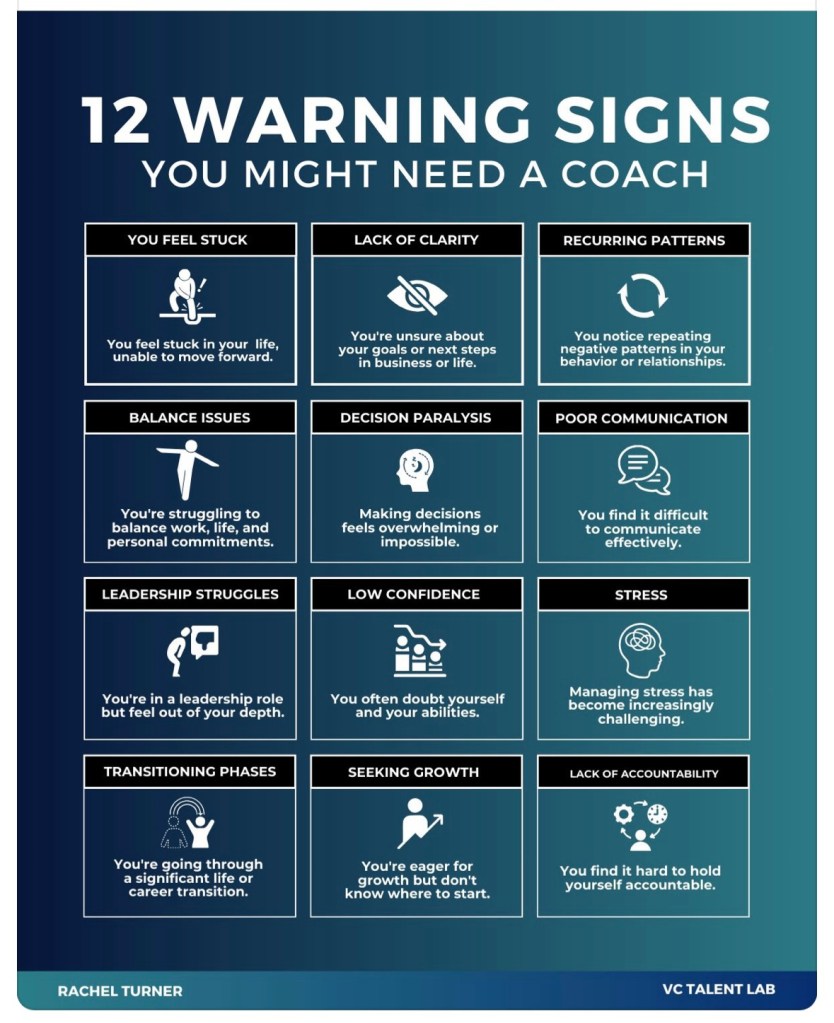
    12 Warning Signs You Might Need A Coach

    The 12 warning signs you might need a coach a stellar Rachel Turner share. A list you would be mad to miss:

    1. You feel stuck.
      You feel stuck in your personal or professional life, unable to move forward.
    2. Lack of clarity.
      You’re unsure about your goals or next steps in life.
    3. Recurring negative patterns. 
      You notice repeating negative patterns in your behavior or relationships.
    4. Balance issues.
      You’re struggling to balance work, life, and personal commitments.
    5. Decision paralysis.
      Making decisions feels overwhelming or impossible.
    6. Low confidence.
      You often doubt yourself and your abilities.
    7. Communication challenges.
      You find it difficult to communicate effectively in personal or professional settings.
    8. Leadership struggles.
      You’re in a leadership role but feel out of your depth.
    9. Chronic stress.
      Managing stress has become increasingly challenging.
    10. Transitioning phases.
      You’re going through a significant life or career transition.
    11. Seeking growth.
      You’re eager for personal or professional growth but don’t know where to start.
    12. Lack of accountability.
      You find it hard to hold yourself accountable.

    Here’s what a coach can do:

    ✨ Provide clarity in your chaos.
    ✨ Offer unbiased feedback.
    ✨ Help you identify and break negative patterns.
    ✨ Guide you through life’s transitions.
    ✨ Boost your decision-making skills.
    ✨ Elevate your leadership abilities.

    Because sometimes, the only thing standing between you and your goals is you.

    Coaching Gift Of Personal Growth

    Ditch It: Professional Career Exit Plan

    • 6-8 Coaching Sessions
    • Goal Setting
    • Networking & Building Relationships
    • Skill & Knowledge Gap Analysis

    In With the New: For The Newly Promoted Supervisor

    • 6-12 Personalized Leadership Sessions
    • Build Relationship
    • Address Workplace Challenges
    • Enhance Team Dynamics
    • Setting Goals
    • Leadership Development Support

    Write that Book Aspiring Authors

    • 6-12 Sessions
    • The Writing & Publishing Process
    • Get it Done

    🎁 WHY CHOOSE US: 🌟 Certified Master Coaches 📈 Proven track record 🤝 Tailored approach

    Gift Coaching Certificate

    Choosing any of these coaching programs will make a fantastic gift this holiday season and throughout the year. It’s the gift of personal Growth that lasts.

    Need more information? Let’s connect

    5 Points To Consider When Transitioning Into A New Career

    2023 Holiday Gift Guide For Book Lovers …

    Give the gift of insight, inspiration, and growth this holiday season! Delve into the world of leadership, self-discovery, inspiration and professional development with these curated books. Perfect for friends, family, or colleagues seeking to elevate their leadership skills and embark on a transformative journey. Click the Gift Guide, choose a book that sparks growth and ignites the potential within your loved ones this festive season!

    Each Book link takes you directly to Amazon where you can buy, beautifully gift wrap and place under your well-lit sparkling Christmas tree. Voila! They’re thrilled!

    Hope this guide has inspired your gift giving. E-books are perfect for last minute book shoppers. Grab copies for the perfect New Year’s gift. Oh, don’t forget to get a copy of my just released book RedLight: When God Says No which completes the GreenLight trilogy.

    Can’t decide which to get? Let’s Connect!

    7 Symptoms of Being In A Job You Hate During The Holidays

    Being in a job you dislike during the holidays can amp up feelings of discontent and stress. Here are some common emotions individuals like yourself might experience:

    1. Increased Stress: The holiday season, which is supposed to be joyful, might instead feel overwhelming due to the added pressure of work dissatisfaction.
    2. Isolation and Loneliness: Feeling disconnected or alienated from colleagues who seem to enjoy their work or take time off can exacerbate feelings of isolation.
    3. Increased Disengagement: Lack of interest in work can escalate, making it challenging to focus or contribute positively.
    4. Heightened Frustration: The contrast between the festive spirit around and the negative feelings about work can lead to increased frustration.
    5. Impact on Mental Health: Prolonged dissatisfaction at work during the holidays might affect mental well-being, leading to anxiety or depression.
    6. Strained Relationships: The stress and dissatisfaction from work can spill over into personal relationships, impacting interactions at home or with loved ones during the holidays.
    7. Sense of Hopelessness: Feeling stuck in a job you dislike might increase the sense of being trapped or unable to change your situation.

    These feelings can make it especially challenging to enjoy the holiday season and can have a significant impact on the overall well-being of individuals like yourself.

    If you’re in a job you hate that’s causing you to experience any of the emotions above, don’t do it alone. As a leadership coach with decades of experience, let’s connect to discuss your next steps.

    Well what are you waiting for? Let’s connect

    Travel with Intent

    A photographer's view of the world - words and images to inspire your travels and your dreams

    Answering daily prompts

    In this blog I'm attempting to answer wordpress daily prompts

    Alex Tafur

    Property Maintenance

    Poesy Perspectives

    embrace the magic

    GREENLiGHT

    When God Says Go

    HEALTH | INSPIRATION

    Mind • Body • Life

    My Sister My Friend

    Family. Youth. Parenting

    Kamileon Photography

    Your Focus. Our Lens.