
Subscribe to continue reading
Subscribe to get access to the rest of this post and other subscriber-only content.

What happens when dementia touches the life of a leader? The impact reaches far beyond the individual. It affects families, caregivers, colleagues, and even public perception.
The Past Prime Minister of Jamaica, Portia Simpson-Miller was diagnosed with Dementia. Actor and famed Die Hard acclaim, Bruce Willis was recently transferred for deeper care. I thought of these leaders and pondered. Then decided to host a conversation to bring light to this issue for those suffering the early stages and the impact on caregivers.
In this thought-provoking panel discussion, Rianna Patterson MBPS a PhD student and former caregiver, Dr. Romario R. Simpson, JP physician, Chris Daley, explores the complexities of communicating, coping, and caring when dementia enters the public eye.
Together, we unpack important questions:
This conversation bridges leadership, ethics, and humanity, offering insights for:
•Healthcare and HR professionals
•Executives and communication leaders
•Caregivers and families
•Students and researchers in health and social sciences
Dementia is not just a medical condition, it’s a leadership, communication, and compassion challenge.
Watch the full discussion on YouTube: https://lnkd.in/eaahEeqc
Join the conversation. Share your thoughts if you or someone you know is struggling with dementia.

What you leave behind is not what is engraved in stone monuments but what is engraved in the lives of others
Pericles
Behind every great leader is a story of someone who taught them how to think, not what to think. Whether in classrooms, communities, or through powerful stories, teachers like Anne Sullivan, Jaime Escalante, Erin Gruwell, Maria Montessori, and even the fictional Mr. Keating from Dead Poets Society have left lasting legacies. They did not just impart knowledge, but they also unlocked human potential. Their bold approaches, deep empathy, and unwavering belief in those they taught offer rich leadership lessons for anyone seeking to inspire, elevate, and transform others.
Why she matters: Sullivan’s unshakable belief in Helen’s potential shows the power of persistence, adaptive teaching, and emotional intelligence.
Leadership lesson: Believe in others, even when they can’t yet believe in themselves.
Why he matters: Taught AP Calculus in a struggling inner-city school, proving that high expectations and dedication can change lives.
Leadership lesson: Set the bar high and show people they can reach it.
Why she matters: Revolutionized education by emphasizing self-directed learning, observation, and individual strengths.
Leadership lesson: Foster autonomy and trust people to grow when given the right environment.
Why he matters: Though fictional, Mr. Keating represents the kind of leader who challenges others to think differently, embrace risk, and “seize the day.”
Leadership lesson: Inspire people to think for themselves and lead with courage.
Which iconic teacher has made a lasting impression on you as a leader? Do share. We would love to hear.
Cheers!
Subscribe to get access to the rest of this post and other subscriber-only content.

Before you are a leader, success is all about growing yourself. When you become a leader, success is all about growing others.” —Jack Welch
More than two decades ago I started my first leadership role. Always facing an audience through years of athletic performance, the arts, other leadership roles, I was always confident. But this was different. In my HR Leadership role, I faced responsibilities on behalf of the company. No more hiding behind other senior leaders. My boss gave me no choice but to step up to my full responsibilities.
After going through a bout of nervousness that lasted months, I found that it got easier each time. Before long, I prepared for each meeting when I had to address employees performance, achievements and areas of development across the region with confidence.
On observation these days, we see politicians and society’s leaders in public service assuming new roles. Consequently, the question was raised; “can a person from behind the scenes excel in a new public-facing role?” The answer is absolutely!
Public-facing means a role where the (individual) exercises managerial authority or control of an entity’s activities.
Here are 7+ points to prepare for a public-facing leadership role. Focus on:
Consistent practice and self-reflection are the keys to becoming an effective public-facing leader.
What has been your experience with getting ready for a leadership role? Did you use any of the above strategies? If so, what worked for you? Any other strategy that comes to mind? Do share, we would love to hear.
Cheers!

In today’s work environment, leadership isn’t defined by how loudly someone speaks but by the strength of their vision, empathy, and ability to inspire others. Introverts bring unique qualities to the table that can make them exceptional leaders – qualities like active listening, thoughtful decision-making, and a natural inclination for deep focus. However, introverts often feel pressured to emulate the extroverted leadership style more commonly celebrated in professional settings. By embracing their innate strengths and cultivating skills that align with their personality, introverts can unlock a powerful, authentic leadership style that not only drives team success but also fosters a positive, collaborative work culture (guest poster, Nicola Reid).
In times of crisis, your introverted nature can be a powerful asset, allowing you to maintain a level of calm and clarity that is crucial for effective decision-making. Unlike those who may react impulsively, your tendency to deliberate and reflect ensures that decisions are well-considered and strategic. This thoughtful approach not only helps in avoiding hasty mistakes but also instills confidence and stability within your team and stakeholders. By embracing your natural inclination for introspection, you can transform potential vulnerabilities into strengths, demonstrating that leadership does not always require being the loudest voice in the room.
Returning to academia for a doctoral degree can significantly enhance your business acumen and leadership capabilities. By pursuing a Doctorate in Business Administration, you acquire the skills necessary to establish yourself as a formidable business leader. This advanced degree not only opens doors to high-level management roles but also equips you with the expertise to drive organizational success. Moreover, opting for an online program allows you to balance work commitments while advancing your education, making it a practical choice for busy professionals; check this out to learn more.
Working with a business coach can be transformative, offering clarity, guidance, and strategies to navigate challenges and achieve business goals. A coach brings an external perspective, helping to identify strengths, address weaknesses, and uncover growth opportunities that may not be immediately apparent. Collaborating with Success Strategies provides clients with personalized support tailored to their unique vision and challenges, allowing them to reach new heights of productivity and purpose. With expert insights and actionable strategies, a business coach empowers individuals to make confident, strategic decisions that align with their goals and aspirations, fostering long-term success and resilience in an ever-changing market.
By leveraging your natural ability to listen empathetically, you can effectively identify and address conflicts within your team. This skill allows you to understand the underlying emotions and perspectives of team members, which is crucial for resolving disputes. Introverts, with their tendency to listen deeply, can create an environment where team members feel heard and valued, reducing tension and fostering collaboration. This approach not only helps in resolving existing conflicts but also prevents future ones by building a foundation of trust and open communication. Ultimately, empathetic listening empowers you to lead a more harmonious and productive team.
In the realm of leadership, particularly for introverts, employing patience and persistence is crucial in exploring various perspectives and refining creative solutions. By dedicating time to thoroughly immerse yourself in problem-solving, you can prevent the rush to the first apparent solution and instead uncover a range of possibilities that might hold the true answer. Techniques such as brainstorming or the “Six Thinking Hats” method can be instrumental in navigating the problem space, allowing you to view challenges from multiple angles. This approach not only fosters innovation but also ensures that the solutions developed are well-rounded and effective.
In today’s competitive work environment, the ability to empathize and demonstrate emotional intelligence is crucial for building strong and motivated teams. Leaders who excel in these areas can connect with team members on a personal level, understanding their motivations and fostering a supportive atmosphere. By prioritizing these skills, you can create a harmonious work environment that not only enhances team dynamics but also drives innovation and success.
In today’s digital age, leveraging social media and online platforms can be a game-changer for introverted leaders seeking to expand their professional networks. By participating in virtual events and webinars, you can connect with industry experts and thought leaders without the pressure of face-to-face interactions. Consistent engagement – such as sharing insightful content and joining relevant groups – allows you to establish yourself as a knowledgeable member of your professional community. Utilizing advanced search features on these platforms can help you identify and connect with individuals who align with your career goals, thus opening doors to new opportunities.
Harnessing the ability to self-regulate is crucial for maintaining composure in high-pressure situations, especially for introverted leaders. By aligning your actions with your core values, you can navigate challenges with resilience and poise, transforming potential setbacks into opportunities for growth. This skill not only supports personal success but also fosters healthier relationships and effective communication, essential traits for leadership. If you struggle with self-regulation, consider seeking guidance from a mental health professional to develop tailored strategies that enhance your emotional intelligence and leadership capabilities.
Introverts have the potential to be outstanding leaders, bringing a quiet yet impactful strength to their roles. By embracing their natural qualities – like empathy, reflective thinking, and active listening – introverts can lead in ways that foster trust, encourage open communication, and inspire those around them. Leadership isn’t about fitting into a one-size-fits-all mold; it’s about leveraging one’s unique strengths to motivate and guide others effectively. As introverts harness their distinct qualities, they not only thrive in leadership positions but also redefine what it means to be a successful leader in today’s evolving work landscape.
Discover a wealth of insights and strategies for personal and professional growth at Success Strategies, where inspiration meets empowerment for every step of your journey!All the best
Nicola Reid
Image via Pexels

The interesting thing about coaching is that you have to trouble the comfortable and comfort the troubled.
Ric Charlesworth
Professional development involves coaching. It is a process of self-awareness, application and reflection. Improving yourself through learning and training has advantages. Just as great sportsmen hire coaches, professionals can improve their craft with a personalized and objective coach.
That said, people’s perceptions of coaching necessity vary and there are myths, but there is a growing recognition of its value in professional development.
These numbers suggest that while coaching is increasingly valued, it’s not universally seen as “necessary” by everyone. The perception tends to be more positive among those who have experienced coaching or work in organizations that regularly use coaching services.
It is important to note that these figures can change over time and may vary significantly depending on the specific context (e.g., industry, individuals, company size).
So there you have it. Different perceptions of coaching and it’s necessity. Many understand and appreciate its value. Are you one of them? What’s your own perspective? Do share. We would love to hear.
Cheers!

The challenge of leadership is to be strong, but not rude; be kind, but not weak; be bold, but not a bully; be thoughtful, but not lazy; be humble, but not timid; be proud, but not arrogant; have humor, but without folly. ~Jim Rohn
“I report to Jen who is in her late 30s and is as old as my daughter” Cindy said aloud to the group. She respects me though. The diverse group of women nodded in agreement. There are others who are not as lucky as Cindy, not necessarily because of being older but because they complain of having more experience than the Millennial who supervise them. They often take offense at any task given because they do not believe they should report to someone younger than themselves.
This is an increasingly common situation as workplace demographics change. Here are some strategies older adults can use when reporting to or being supervised by millennials:
It’s hard and often uncomfortable. But remember, successful intergenerational workplace relationships are built on mutual respect, open communication, and a willingness to learn from each other. By focusing on these elements, older adults can create positive and productive relationships with their millennial supervisors.

I did it!
Imposter syndrome is a persistent unjustified feeling that one’s success is fraudulent. Imposter syndrome is characterized by doubt in one’s abilities—despite a record of achievement or respect from one’s peers—and a fear of having one’s unworthiness exposed.
Britannica
Congratulations on your promotion! Yet, as you step into your new role, you may find yourself grappling with feelings of inadequacy and self-doubt. This phenomenon, commonly known as imposter syndrome, can plague even the most accomplished individuals, especially when thrust into unfamiliar territory without proper training or support.
As a new manager, you may be questioning your abilities, second-guessing your decisions, and fearing that at any moment, someone will expose you as a fraud. These feelings are not uncommon, but they can hinder your performance and diminish your confidence.
But don’t be afraid, for there is a way forward. With the right guidance and coaching, you can forge your way through these periods of uncertainty and emerge as a confident and capable leader. Through targeted strategies and personalized support, you can learn to silence your inner critic, cultivate self-assurance, and embrace your newfound role with authenticity and resilience.
During coaching sessions, you explore the root causes of your imposter syndrome, identify limiting beliefs, and develop practical techniques to overcome them. From effective communication and decision-making skills to building strong relationships and managing expectations, you will be equipped with the tools and mindset needed to thrive in your leadership journey.
Remember, you were chosen for this role for a reason. You possess unique strengths, experiences, and perspectives that have prepared you for this moment. Let’s connect. Together, we will unlock your full potential and empower you to lead with confidence, integrity, and authenticity.
It’s time to banish the doubts, embrace your strengths, and step into your leadership with conviction. Let’s embark on this transformative journey together.
Cheers!
Photo by Ono Kosuki on Pexels.com

The Perfect Gift for Her
Some gifts are big. Others are small. But the ones that come from the heart are the best gifts of all.
Tinku Razoria
Celebrations, Birthdays, Mother’s Day, Selfcare Days…. no matter the occasion, it is always hard to find the ideal gift for the perfect mom, sister, co-worker, best friend to encourage or simply to say Thanks to one who did a kind deed. Here are 10 thoughtful and practical gift ideas for women leaders.
These gift ideas for women leaders combine practicality, inspiration, and personalization to support their professional growth and well-being.
Which gift pulls you in? Is there another or a few that you would like to add? Do share. We would love to hear.
Connect now to gift that personalized gift of Executive Coaching or personalized leadership assessment today. It is the gift that keeps on giving.
Cheers!
Photo by Ioana Motoc on Pexels.com

Leadership and learning are indispensable to each other.
John F. Kennedy
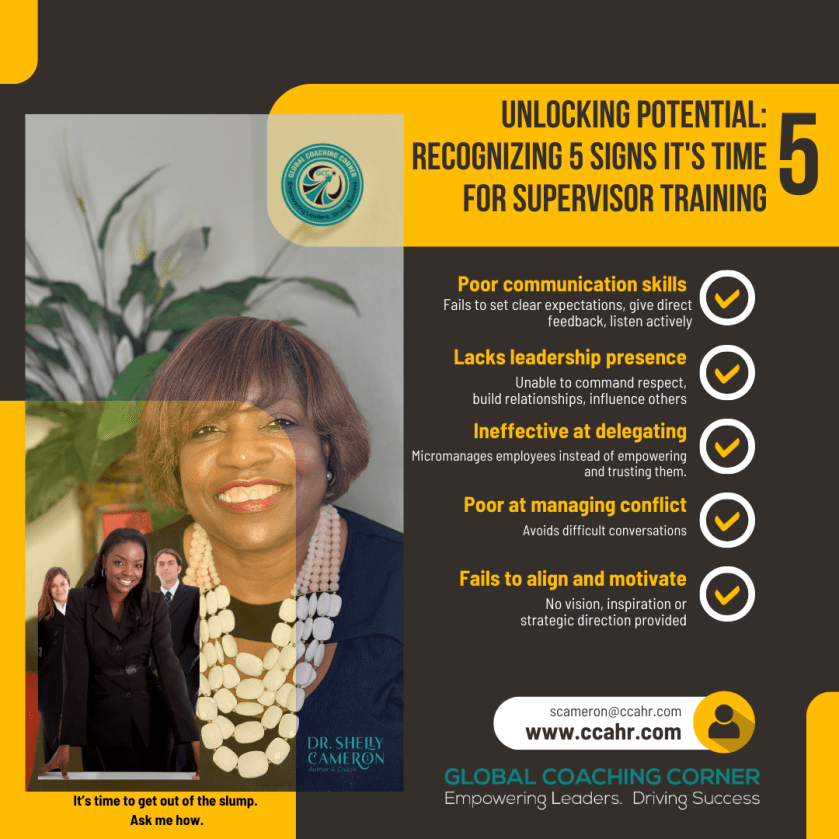
New supervisors are hesitant yet eager to dive into the job. Without training, mistakes happen. Behaviors indicating the need for supervisory training are shown here. Take a look and based on your observation, identify any that may need to be corrected.
Poor communication skills exhibited when supervisor fails to set clear expectations, give direct feedback, listen actively.
I’m not gonna lie, leadership ain’t easy. Managers who lack leadership presence are unable to command respect, build relationships, or influence others.
Ineffective at delegating – micromanages employees instead of empowering and trusting
Supervisors are unable to develop team – little coaching or support for the team’s professional growth
Poor at managing conflict shown through avoiding difficult conversations. Often, they let issues fester.
Failing to align and motivate employees. No vision, inspiration or strategic direction provided.
Recognize any of these behaviors in yourself, co-worker, family member or friend? It’s not a tradition. There is always hope. Training, one on one or group coaching can improve the behaviors those supervising leaders can received.
Need help? Lets connect.

The 12 warning signs you might need a coach a stellar Rachel Turner share. A list you would be mad to miss:
Here’s what a coach can do:
✨ Provide clarity in your chaos.
✨ Offer unbiased feedback.
✨ Help you identify and break negative patterns.
✨ Guide you through life’s transitions.
✨ Boost your decision-making skills.
✨ Elevate your leadership abilities.
Because sometimes, the only thing standing between you and your goals is you.
A photographer's view of the world - words and images to inspire your travels and your dreams
In this blog I'm attempting to answer wordpress daily prompts
Ellen Grace Olinger
Property Maintenance
embrace the magic
When God Says Go
Mind • Body • Life
Knowing every thing
Family. Youth. Parenting
Your Focus. Our Lens.