The publishing process can be intimidating for an unknown writer. The traditional Agent-Publisher-Author relationship is hard. Rejection after rejection is common as Agents say ‘no’. Writers become discouraged and often give up. Manuscripts stay in the darkness of desk drawers for years.
As time has involved, so has the advent of self-publishing. Writers become bold and take advantage of their publishing plight. They make bold moves; step ahead, take the reins to achieve their publishing goal of becoming an author. With low budget and unplanned expenses, some cut corners and quality becomes compromised. Book covers are mediocre. Titles lack depth. Formatting is non-existent, which leads to the demise of some great manuscripts.
On the other hand, some writers step out, work hard, invest, learn the process, and viola! Success follows!
Self-Publishing Success
Here are 15 Authors of color who achieved significant success through self-publishing:
Toni Morrison – While primarily known for her traditionally published works, she self-published her first novel “The Bluest Eye” before gaining wider recognition
Terry McMillan – Initially self-published her debut novel “Mama” before securing a publisher for subsequent works
N.K. Jemisin – First self-published some of her fantasy work before becoming the first author to win the Hugo Award for Best Novel three years in a row
Alexandria House – Found success self-publishing contemporary romance novels featuring Black characters
Kristen Ashley – Built a dedicated following through self-publishing her romance novels before signing with traditional publishers
Brenda Jackson – Pioneer in African American romance who began with self-publishing before becoming a New York Times bestseller
Alyssa Cole – Initially self-published her diverse romance novels before becoming an award-winning author
K.M. Jackson – Self-published romance author who found success writing diverse contemporary stories
Nikki Turner – Self-published her first urban fiction novel before becoming known as the “Queen of Hip-Hop Fiction”
Beverly Jenkins – Started self-publishing historical romances featuring Black characters when traditional publishers showed little interest
Sister Souljah – Self-published “The Coldest Winter Ever” which became a groundbreaking street lit phenomenon
Nnedi Okorafor – Self-published some of her early Africanfuturist works before winning multiple prestigious awards
Kiini Ibura Salaam – Award-winning speculative fiction writer who self-published collections of her short stories
Octavia Butler – Though mostly known for her traditionally published works, she self-published some early stories
Zane – Built an erotic fiction empire beginning with self-published works before launching her own publishing company
These authors demonstrated outstanding entrepreneurial spirit and literary talent often creating space for Black women’s voices. This occurred at a time when traditional publishing wasn’t receptive to their work. Many of these women went on to sign traditional deals. Suffice it to say they proved their commercial viability through self-publishing. Others maintained independence throughout their careers.
Need help to get over your fear to make the leap? Let these women inspire your journey. Thoughts about any of these or other women of color who have experienced success? Do share. We would love to hear.
“Writing is a process, a journey into memory and the soul.”
Isabel Allende
Award-Winning Storyteller and Journalist Sharon Gordon published her debut novel Sheribaby and started off with a bang! Introverts may not be as purposeful due to shyness. They are reserved and avoid putting themselves ‘out there’ for the world to see them and their author life.
That said, here are 15 women authors who found significant success through self-publishing:
Amanda Hocking – Became a millionaire by self-publishing her paranormal romance novels before signing with a traditional publisher
E.L. James – Initially self-published “Fifty Shades of Grey” as fan fiction before it became a global phenomenon
Colleen Hoover – Self-published her debut novel “Slammed” before becoming a #1 New York Times bestselling author
Rachel Abbott – One of the UK’s most successful self-published authors with her thriller novels
Lindsay Buroker – Found success with her Emperor’s Edge fantasy series and numerous other works
Bella Forrest – Self-published the phenomenally successful “A Shade of Vampire” series
H.M. Ward – Romance author who sold millions of copies of her self-published works
Jasinda Wilder – Self-published numerous bestselling romance novels before signing a traditional deal
Vi Keeland – Initially self-published her romance novels before becoming a #1 New York Times bestseller
Penny Reid – Built a successful career with her self-published romantic comedies
Rupi Kaur – Self-published her poetry collection “Milk and Honey” which became a worldwide bestseller
Sierra Simone – Found success with her provocative romance novels
Sarina Bowen – Award-winning romance author who began her career self-publishing
L.J. Shen – Romance author who built a massive following through self-publishing
Many of these authors began self-publishing when traditional routes weren’t available to them. They remained independent even after achieving success. Several eventually signed traditional publishing deals after demonstrating their commercial appeal through self-publishing
Need help to get over your fear of leveling up to achieve your goal of being a published author? Let these women inspire you. Have you or someone you know stepped out and achieved success? Do share. We would love to hear.
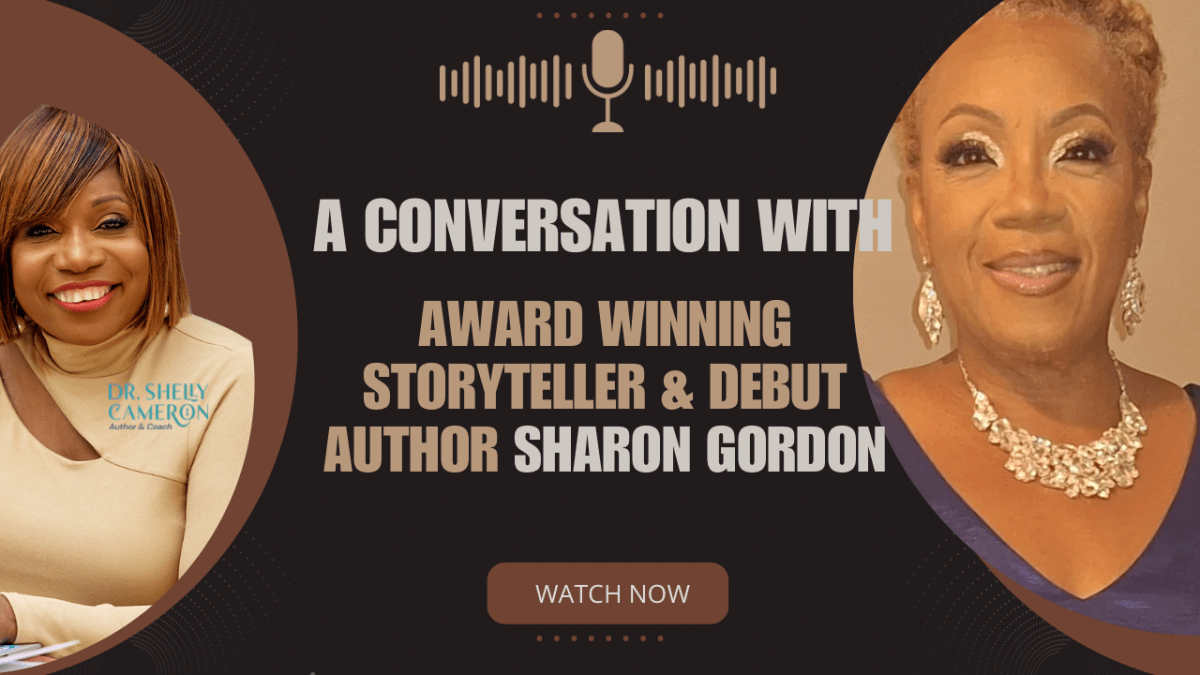
Absolutely thrilled to announce that Sharon Gordon’s debut book “Sheribaby is NOW AVAILABLE!
Journalist Sharon, is the talented 2025 Award winning Storyteller and niece of beloved Jamaica’s Singer Songwriter Beresford Hammond.
I met Sharon a decade ago when Reggae music matriarch Miss Patricia Chin, hosted my Success Strategies of Caribbean American Leaders book event at VP Records, New York.
It’s been such an honor to guide Sharon through the book publishing journey – from connecting her with Raquel, the perfect editor for her genre, to navigating publisher conversations and finally seeing her words in print.
Her dedication to the craft and willingness to embrace the publishing process made this success inevitable. This is why I do what I do!
Congratulations Sharon! Indeed, hard work pays off!
If you have been dreaming of becoming a published author but aren’t sure where to start, let Sharon’s journey inspire you. With the right guidance, YOUR story could be next on the shelves!
Poetry is ordinary language raised to the Nth power. Poetry is boned with ideas, nerved and blooded with emotions, all held together by the delicate, tough skin of words. – Paul Engle
An evening of laughter, fun and cheer! Yes indeed, it was great ❤️ The Writers Group of South Florida Authors performed. Energy pumped, attendees became inspired, created and shared on-the-spot pieces.
Personally, it was an honor to have lead this initiative and to have read Poet Charmaine Allwood-Hanson’s piece “WE ARE THE CARIBBEAN”, written in recognition of Caribbean American Heritage Month 2021.
An energizing event with promises of more to come.
Thanks fellow author and Poet, Dr. Susan Lycett Davis for the La Veranda venue referral. It was the perfect location to host this inaugural Open Mic event 🎙️
Aging is not for the weak. One day you wake up and realize that your youth is gone, but along with it, so go insecurity, haste, and the need to please… You learn to walk more slowly, but with greater certainty. You say goodbye without fear, and you cherish those who stay. Aging means letting go, it means accepting, it means discovering that beauty was never in our skin… but in the story we carry inside us.
Stop asking why they keep doing it and start asking why you keep allowing it.
Setting boundaries involves defining expectations and limits in relationship (Positive Psychology). Here are 5 characteristics to help balance your work/ life.
1. Self-Care Prioritization
Regular exercise
Quality sleep
Healthy nutrition
Meditation/stress management techniques
2. Boundaries Setting
Clear work-life separation
Learning to say no
Limiting overtime
Scheduling personal time
3. Professional Support
Discuss workload with supervisor
Seek workplace accommodations
Consider professional counseling
Join support groups
4. Mental Reset Techniques
Take regular breaks
Practice mindfulness
Use vacation days
Pursue hobbies outside work
5. Systematic Recovery
Identify stress triggers
Develop coping strategies
Regular mental health check-ins
Gradual lifestyle adjustments
Here’s hoping these tips will help you achieve your work / life balance goals.
66 Percent of Projects fail to meet their original Business intent due to poor prioritization, while 96 percent of Leaders feel they are working with limited time and resources.
Begin with the end in mind. ~Steven Covey
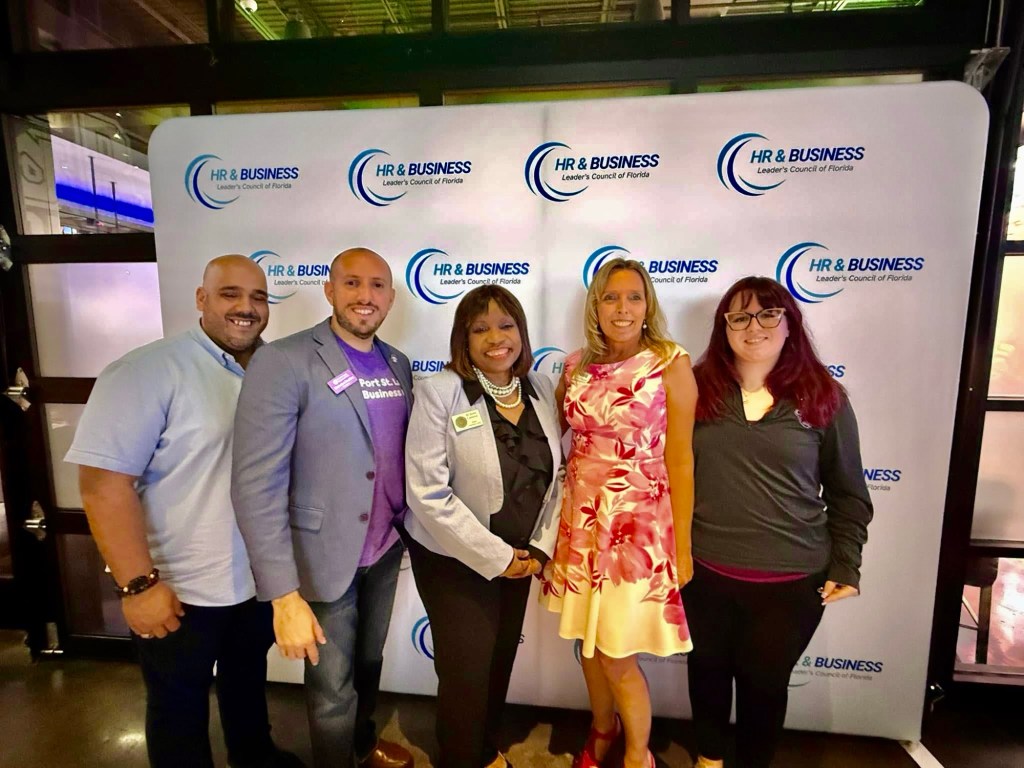
It was a pleasure to speak on the topic Prioritizing Workloads at the HR and Business Leader’s Council of Florida Education, Social Impact and Networking event.
A fitting topic as 66% of Projects fail to meet their original Business intent due to poor prioritization, while 96% of Leaders feel they are working with limited time and resources.
As we forge through the new year, it’s statistics like these and the impact on organizational and personal stress that led to the Council’s forward thinking to bring it to the forefront of the business leader’s mind.
How can we prepare? How can leaders take charge of their limited resources to achieve better outcomes?
Covey steered strategists to Begin with the End in mind. 🎯 Prioritizing limited time and resources work wonders. Most of all learn to say ‘No’ to time wasters and set boundaries. 🚫
Suffice it to say, there was much to synergize and Dave & Buster’s Inc. provided the right space.
It’s time to take charge of your priorities. Stay tuned for more on the Urgent vs. Important Matrix.
Long days at work, inability to meet financial needs, household chores, relationship strains. All these can take a toll on us at times. Here are 5 signs associated with burnout. Read and examine each. Then apply it to yourself.
1.Emotional Exhaustion
Feeling drained, overwhelmed, and unable to recover from daily stressors, with persistent mental and physical fatigue.
2.Decreased Performance
Reduced productivity, struggling to concentrate, missing deadlines, and experiencing a significant drop in work quality.
3.Detachment and Cynicism
Developing a negative, indifferent, or callous attitude towards work, colleagues, and responsibilities. Feeling disconnected and unmotivated.
4.Physical Symptom
Experiencing frequent headaches, sleep disruptions, changes in appetite, weakened immune system, and increased vulnerability to illness.
5.Lack of Work-Life Balance
Feeling constantly preoccupied with work, inability to disconnect, neglecting personal relationships, hobbies, and self-care activities.
Are you experiencing one, two, or a few of these signs? Stay tuned for practical solutions. Any missing that you would like to add? Do share, we would love to hear.
Before you are a leader, success is all about growing yourself. When you become a leader, success is all about growing others.” —Jack Welch
More than two decades ago I started my first leadership role. Always facing an audience through years of athletic performance, the arts, other leadership roles, I was always confident. But this was different. In my HR Leadership role, I faced responsibilities on behalf of the company. No more hiding behind other senior leaders. My boss gave me no choice but to step up to my full responsibilities.
After going through a bout of nervousness that lasted months, I found that it got easier each time. Before long, I prepared for each meeting when I had to address employees performance, achievements and areas of development across the region with confidence.
On observation these days, we see politicians and society’s leaders in public service assuming new roles. Consequently, the question was raised; “can a person from behind the scenes excel in a new public-facing role?” The answer is absolutely!
Public-facing means a role where the (individual) exercises managerial authority or control of an entity’s activities.
Here are 7+ points to prepare for a public-facing leadership role. Focus on:
1.Communication Skills
Develop clear, compelling public speaking abilities
Practice articulating complex ideas simply
Learn media training techniques
2.Personal Brand Development
Build a professional, authentic public image
Be consistent across different platforms
Develop a strong personal narrative
3.Continuous Learning
Stay updated on industry trends
Understand diverse stakeholder perspectives
Cultivate emotional intelligence
4.Professional Appearance
Dress appropriately for your industry
Project confidence through body language
Work on your on-camera and in-person presence
5.Media and Presentation Preparation
Take media training workshops
Practice handling tough questions
Learn crisis communication strategies
6.Networking
Build relationships with key industry influencers
Develop a supportive professional network
Seek mentorship from experienced public leaders
7.Digital Literacy
Manage social media presence professionally
Understand digital communication etiquette
Be mindful of online reputation
Bonus: Resilience and Adaptability
Develop thick skin for public scrutiny
Learn to handle criticism constructively
Maintain composure under pressure
Consistent practice and self-reflection are the keys to becoming an effective public-facing leader.
What has been your experience with getting ready for a leadership role? Did you use any of the above strategies? If so, what worked for you? Any other strategy that comes to mind? Do share, we would love to hear.
To live a fulfilled life, we need to keep creating the “what is next” of our lives. Without dreams and goals there is no living, only merely existing. – Mark Twain
In today’s work environment, leadership isn’t defined by how loudly someone speaks but by the strength of their vision, empathy, and ability to inspire others. Introverts bring unique qualities to the table that can make them exceptional leaders – qualities like active listening, thoughtful decision-making, and a natural inclination for deep focus. However, introverts often feel pressured to emulate the extroverted leadership style more commonly celebrated in professional settings. By embracing their innate strengths and cultivating skills that align with their personality, introverts can unlock a powerful, authentic leadership style that not only drives team success but also fosters a positive, collaborative work culture (guest poster, Nicola Reid).
Using Introversion for Effective Crisis Management
In times of crisis, your introverted nature can be a powerful asset, allowing you to maintain a level of calm and clarity that is crucial for effective decision-making. Unlike those who may react impulsively, your tendency to deliberate and reflect ensures that decisions are well-considered and strategic. This thoughtful approach not only helps in avoiding hasty mistakes but also instills confidence and stability within your team and stakeholders. By embracing your natural inclination for introspection, you can transform potential vulnerabilities into strengths, demonstrating that leadership does not always require being the loudest voice in the room.
Elevating Your Leadership with a Doctoral Degree in Business
Returning to academia for a doctoral degree can significantly enhance your business acumen and leadership capabilities. By pursuing a Doctorate in Business Administration, you acquire the skills necessary to establish yourself as a formidable business leader. This advanced degree not only opens doors to high-level management roles but also equips you with the expertise to drive organizational success. Moreover, opting for an online program allows you to balance work commitments while advancing your education, making it a practical choice for busy professionals; check this out to learn more.
Upgrading Your Talents by Working with a Business Coach
Working with a business coach can be transformative, offering clarity, guidance, and strategies to navigate challenges and achieve business goals. A coach brings an external perspective, helping to identify strengths, address weaknesses, and uncover growth opportunities that may not be immediately apparent. Collaborating with Success Strategies provides clients with personalized support tailored to their unique vision and challenges, allowing them to reach new heights of productivity and purpose. With expert insights and actionable strategies, a business coach empowers individuals to make confident, strategic decisions that align with their goals and aspirations, fostering long-term success and resilience in an ever-changing market.
Resolving Conflicts with Empathetic Listening
By leveraging your natural ability to listen empathetically, you can effectively identify and address conflicts within your team. This skill allows you to understand the underlying emotions and perspectives of team members, which is crucial for resolving disputes. Introverts, with their tendency to listen deeply, can create an environment where team members feel heard and valued, reducing tension and fostering collaboration. This approach not only helps in resolving existing conflicts but also prevents future ones by building a foundation of trust and open communication. Ultimately, empathetic listening empowers you to lead a more harmonious and productive team.
Cultivating Patience and Persistence for Creative Leadership
In the realm of leadership, particularly for introverts, employing patience and persistence is crucial in exploring various perspectives and refining creative solutions. By dedicating time to thoroughly immerse yourself in problem-solving, you can prevent the rush to the first apparent solution and instead uncover a range of possibilities that might hold the true answer. Techniques such as brainstorming or the “Six Thinking Hats” method can be instrumental in navigating the problem space, allowing you to view challenges from multiple angles. This approach not only fosters innovation but also ensures that the solutions developed are well-rounded and effective.
Employing the Power of Empathy and Emotional Intelligence in Leadership
In today’s competitive work environment, the ability to empathize and demonstrate emotional intelligence is crucial for building strong and motivated teams. Leaders who excel in these areas can connect with team members on a personal level, understanding their motivations and fostering a supportive atmosphere. By prioritizing these skills, you can create a harmonious work environment that not only enhances team dynamics but also drives innovation and success.
Harnessing Social Media for Introverted Leaders
In today’s digital age, leveraging social media and online platforms can be a game-changer for introverted leaders seeking to expand their professional networks. By participating in virtual events and webinars, you can connect with industry experts and thought leaders without the pressure of face-to-face interactions. Consistent engagement – such as sharing insightful content and joining relevant groups – allows you to establish yourself as a knowledgeable member of your professional community. Utilizing advanced search features on these platforms can help you identify and connect with individuals who align with your career goals, thus opening doors to new opportunities.
Thriving Under Pressure
Harnessing the ability to self-regulate is crucial for maintaining composure in high-pressure situations, especially for introverted leaders. By aligning your actions with your core values, you can navigate challenges with resilience and poise, transforming potential setbacks into opportunities for growth. This skill not only supports personal success but also fosters healthier relationships and effective communication, essential traits for leadership. If you struggle with self-regulation, consider seeking guidance from a mental health professional to develop tailored strategies that enhance your emotional intelligence and leadership capabilities.
Introverts have the potential to be outstanding leaders, bringing a quiet yet impactful strength to their roles. By embracing their natural qualities – like empathy, reflective thinking, and active listening – introverts can lead in ways that foster trust, encourage open communication, and inspire those around them. Leadership isn’t about fitting into a one-size-fits-all mold; it’s about leveraging one’s unique strengths to motivate and guide others effectively. As introverts harness their distinct qualities, they not only thrive in leadership positions but also redefine what it means to be a successful leader in today’s evolving work landscape.
Discover a wealth of insights and strategies for personal and professional growth at Success Strategies, where inspiration meets empowerment for every step of your journey!All the best