
Ahh Coaching: Trouble The Comfortable

The interesting thing about coaching is that you have to trouble the comfortable and comfort the troubled.

Ric Charlesworth

Professional development involves coaching. It is a process of self-awareness, application and reflection. Improving yourself through learning and training has advantages. Just as great sportsmen hire coaches, professionals can improve their craft with a personalized and objective coach.

That said, people’s perceptions of coaching necessity vary and there are myths, but there is a growing recognition of its value in professional development.

  1. General perception: There’s been an increasing trend towards viewing coaching as valuable, particularly in corporate settings. However, it’s not universally seen as “necessary.”
  2. Executive coaching: A survey by the International Coach Federation (ICF) found that about 86% of organizations saw a return on investment from coaching. This suggests a high perceived value among those who have experienced it.
  3. Leadership coaching: Many large companies now include coaching as part of leadership development programs, indicating its perceived importance.
  4. Career coaching: The demand for career coaching has grown, especially with the rapid changes in the job market and increased career transitions.
  5. Percentage who think it’s necessary: It’s challenging to give an exact percentage as perceptions vary widely across industries, cultures, and individual experiences. However, here are some relevant statistics:
    • A study by the Harvard Business Review found that 48% of CEOs who had coaching said they were open to changing their behavior as a result.
    • According to a report by PwC, 50% of firms surveyed used coaching as a key part of their learning and development programs.

These numbers suggest that while coaching is increasingly valued, it’s not universally seen as “necessary” by everyone. The perception tends to be more positive among those who have experienced coaching or work in organizations that regularly use coaching services.

It is important to note that these figures can change over time and may vary significantly depending on the specific context (e.g., industry, individuals, company size).

So there you have it. Different perceptions of coaching and it’s necessity. Many understand and appreciate its value. Are you one of them? What’s your own perspective? Do share. We would love to hear.

Cheers!

Writers of Color Women’s Empowerment Initiative

“Ask yourself, what would I do if I weren’t afraid? And then go do it” — Sheryl Sandberg

Inspiring. Intentional. Take charge. Grow. These were common words that described the Writers Group of South Florida’s Women Empowerment Event held at the West Regional Library in Plantation, Florida.

Guests turned out in numbers to be educated or refreshed as seasoned authors shared nuggets on leadership, balance, wellbeing, and becoming financially independent.

Thanks to fellow writer GMoss Designs for being Instrumental and singer songwriter Ettosi Brooks for the delightful music entertainment.

Panelists Award winning Reggae legend Miss Pat Chin and others did an exceptional job in highlighting the challenges women face as well as the Strategies to overcome.

Missed it? Plan for it Next year same time.

Cheers!

14 Strategies For Adults Reporting To Millennial Team Leads

The challenge of leadership is to be strong, but not rude; be kind, but not weak; be bold, but not a bully; be thoughtful, but not lazy; be humble, but not timid; be proud, but not arrogant; have humor, but without folly. ~Jim Rohn

“I report to Jen who is in her late 30s and is as old as my daughter” Cindy said aloud to the group. She respects me though. The diverse group of women nodded in agreement. There are others who are not as lucky as Cindy, not necessarily because of being older but because they complain of having more experience than the Millennial who supervise them. They often take offense at any task given because they do not believe they should report to someone younger than themselves.

This is an increasingly common situation as workplace demographics change. Here are some strategies older adults can use when reporting to or being supervised by millennials:

  1. Focus on mutual respect:
    • Recognize that your millennial supervisor has earned their position.
    • Treat them with the same respect you’d expect, regardless of age.
  2. Leverage your experience tactfully:
    • Offer your insights and experience as a resource, not a challenge to authority.
    • Frame suggestions as “In my experience…” rather than “You should…”
  3. Embrace learning opportunities:
    • Be open to new ideas and approaches your younger supervisor might introduce.
    • Show enthusiasm for learning new skills or technologies.
  4. Adapt to communication styles:
    • Be flexible with communication methods (e.g., instant messaging, video calls).
    • Understand and respect different communication preferences.
  5. Manage your own biases:
    • Challenge any preconceived notions you might have about younger managers.
    • Focus on their skills and leadership qualities rather than age.
  6. Highlight your strengths:
    • Demonstrate how your experience and skills complement the team’s needs.
    • Show how your long-term perspective can be valuable for strategic planning.
  7. Be a team player:
    • It’s no playtime. Support your supervisor’s decisions publicly, even if you disagree privately.
    • Offer constructive feedback in appropriate settings.
  8. Stay current:
    • Keep up with industry trends and new technologies.
    • Show initiative in updating your skills.
  9. Practice active listening:
    • Give full attention to your supervisor’s ideas and directives.
    • Ask clarifying questions to ensure understanding.
  10. Seek feedback proactively:
    • Ask for regular performance feedback.
    • Show willingness to adapt based on constructive criticism.
  11. Find common ground:
    • Look for shared interests or values beyond work.
    • Build a relationship based on mutual understanding and respect.
  12. Offer mentorship subtly:
    • If appropriate, offer to share your knowledge in areas where you have deep expertise.
    • Frame it as supporting their success rather than undermining their authority.
  13. Embrace change:
    • Be open to new processes or workflows your millennial supervisor might implement.
    • Demonstrate flexibility and adaptability.
  14. Focus on results:
    • Align your work with the goals and metrics your supervisor values.
    • Demonstrate your value through your performance and outcomes.

It’s hard and often uncomfortable. But remember, successful intergenerational workplace relationships are built on mutual respect, open communication, and a willingness to learn from each other. By focusing on these elements, older adults can create positive and productive relationships with their millennial supervisors.

16 Ways For A Procrastinator To Get Things Done

Procrastination makes easy things hard, hard things harder.

Mason Cooley

Author? Writer? Project Manager? On-the-job administrator? Are you one of those persons who find themselves with several lists of things to ‘finish’? Procrastinating it’s called. You start doing laundry, then realize you need to mow the lawn, or pick up groceries so off you rush to do that leaving several observable tasks undone. You mean well but it keeps happening. A task here, another there and on and on it goes. You never seem to catch up.

Well for people who struggle with completing projects and find themselves juggling multiple unfinished tasks, here are some effective strategies:

  1. Prioritize and focus:
    • List all ongoing projects.
    • Rank them based on importance, urgency, and potential impact.
    • Choose 1-3 top priorities to focus on exclusively.
  2. Break projects into smaller tasks:
    • Divide each project into manageable, specific steps.
    • Create a detailed action plan for each step.
  3. Set clear deadlines:
    • Establish realistic timelines for each project and its components.
    • Use a calendar or project management tool to track deadlines.
  4. Implement the “Two-Minute Rule”:
    • If a task takes less than two minutes, do it immediately.
    • This helps prevent small tasks from piling up.
  5. Use the Pomodoro Technique:
    • Work in focused 25-minute intervals, followed by short breaks.
    • This can help maintain concentration and prevent burnout.
  6. Create accountability:
    • Share your goals and deadlines with a friend, colleague, or mentor.
    • Regular check-ins can help keep you on track.
  7. Limit new commitments:
    • Learn to say “no” to new projects until current ones are completed.
    • Assess carefully before taking on additional work.
  8. Eliminate distractions:
    • Identify and minimize common distractions (e.g., social media, unnecessary meetings).
    • Create a focused work environment.
  9. Celebrate small wins:
    • Acknowledge and reward yourself for completing project milestones.
    • This builds momentum and motivation.
  10. Re-evaluate regularly:
    • Periodically assess if projects are still relevant or necessary.
    • Be willing to abandon or postpone projects that no longer align with your goals.
  11. Use visual progress tracking:
    • Employ kanban boards or progress bars to visualize project advancement.
    • Seeing progress can be motivating.
  12. Address perfectionism:
    • Recognize if perfectionism is causing delays.
    • Focus on “good enough” for initial completion, then refine if necessary.
  13. Schedule dedicated project time:
    • Allocate specific time blocks for working on projects.
    • Treat these as non-negotiable appointments.
  14. Seek closure:
    • Develop a habit of finishing what you start, even in small ways.
    • Practice completing minor tasks to build the “finishing” muscle.
  15. Learn from past patterns:
    • Analyze why projects typically remain unfinished.
    • Address recurring issues (e.g., lack of resources, skill gaps).
  16. Use the “Sunk Cost Fallacy” awareness:
    • Be willing to let go of projects that are no longer serving you, regardless of time already invested.

Are you a procrastinator? If so, did any of the above appeal to you? Hope you find a few useful. Note that by implementing these strategies, individuals can improve their project completion rates and reduce the stress of managing multiple unfinished tasks. The key is to find a balance between focus, organization, and flexibility.

Happy Finishing!

Empowering Women’s Ascent

original.20240822
Empowering Women’s Ascentrb.gy

We can endure much more than we think we can.

Frida Kahlo

Empowering Women’s Ascent. A great event for sisters, friends or colleagues to boost your self esteem, increase your knowledge, set goals, become assertive, practice self-care and more. The Writers Group of South Florida’s upcoming Women’s Empowerment event promises to be inspiring and an event not to be missed. It will be held at the West Regional Library Broward Boulevard, Plantation, Florida on Saturday, September 28.

Attendees will be inspired by thought provoking topics including:

  • Women in Leadership: Empowering Women to rise into leadership roles to reach their full potential
  • Learn the Challenges women face and the strategies to overcome
  • Breakthrough: Transitioning from Burnout to Balance helping driven women and busy moms transform their thinking and redefine balance in their lives
  • Achieving Financial Independence: Enabling women to gain control of their financial futures and becoming financially secure.

The event will be cemented by an exciting Panel Discussion with Founder, VP Records and Lifetime Achievement Award Recipient Patricia Chin (Miss Pat).

Other guest speakers include Dr. Susan Davis, Attorney Asiah Wolfolk Manning, The Sisters and yours truly, Dr. Shelly.

This empowerment event promises to be great. In South Florida? Plan to attend and if you’re not, we will revert with all the Deets post event.


10 Myths About Coaching

Coaching is partnering with clients in a thought-provoking and creative process that inspires them to maximize their personal and professional potential. The process of coaching often unlocks previously untapped sources of imagination, productivity and leadership (International Coaching Federation – ICF)

People often misunderstand what coaching is. It is often misinterpreted as only being needed by people who need to improve their on-the-job performance or when facing challenges. To provide clarity, here are some common myths about coaching:

  1. Coaching is only for underperformers or people with problems
  2. Coaches need to be experts in their client’s field
  3. Coaching is the same as mentoring or consulting
  4. Coaching is only for executives or high-level leaders
  5. Coaching is a quick fix for complex issues
  6. Good coaches always have the answers
  7. Coaching is just giving advice
  8. Coaching is only focused on professional development
  9. You only need coaching when you’re facing a crisis
  10. Coaching is an unnecessary expense

If any or a few of the above stands out to you, lets connect to demystify the myths. Connect to learn the value.

Cheers!

10 Protocol Keys For Aspiring Leaders Attending Professional Events

Etiquette is what you are doing and saying when people are looking and listening. What you are thinking is your business. ~Virginia Cary Hudson

Navigating business events can be challenging, especially for aspiring young adult leaders. Learn the essential Etiquette Tips to help you make a great impression. Pay keen attention to the do’s and don’ts of professional conduct, from networking to dress code, and ensure you stand out for all the right reasons! Brief chat with Executive Coach, Maxine Barnett provides an engaging snippet. Focusing on the ensuing key points will propel your personal growth.

Dressing For Success

  1. Understand the Dress Code: Research and adhere to the dress code of the organization or event. If unsure, err on the side of being slightly more formal.
  2. Professional Attire: Opt for business suits, blazers, and dress shirts for a formal setting. Business casual might include smart trousers or skirts paired with a blouse or collared shirt.
  3. Grooming: Ensure personal grooming is impeccable. Hair should be neat, nails clean, and makeup (if worn) should be subtle and professional.
  4. Comfortable Footwear: Choose polished, comfortable shoes. Avoid overly casual footwear.
  5. Minimal Accessories: Keep accessories minimal and tasteful. Avoid flashy jewelry or anything that might be distracting.

Conducting Yourself

  1. Punctuality: Always arrive on time. Plan to be there at least 10 minutes early to settle in and prepare.
  2. Body Language: Maintain good posture, make eye contact, and offer a firm handshake. These non-verbal cues convey confidence and attentiveness.
  3. Active Listening: Show that you are engaged by nodding, smiling, and taking notes. Avoid interrupting the speaker.
  4. Clear Communication: Speak clearly and concisely. Be mindful of your tone and ensure it is respectful and professional.
  5. Preparedness: Come to the meeting prepared with any necessary documents, reports, or notes. Familiarize yourself with the agenda and topics of discussion.
  6. Participation: Contribute to discussions thoughtfully. Offer insights and ask relevant questions, but avoid dominating the conversation.
  7. Respect: Show respect for all attendees, regardless of their position. Listen to differing viewpoints and avoid any negative or dismissive behavior.
  8. Technology Etiquette: Silence your phone and other devices. If you must use a laptop or tablet, do so discreetly and only for meeting-related tasks.
  9. Follow-Up: After the meeting, send follow-up emails if necessary, summarizing key points or next steps. This demonstrates attention to detail and commitment to ongoing communication.
  10. Professional Relationships: Use the opportunity to build and nurture professional relationships. Network courteously and express appreciation for the time and input of others.

By following these guidelines, you, as an aspiring leaders can present yourself as professional, competent, and respectful participants in any business meeting.

Are there any points you would like to add? Do share, we would love to hear.

Cheers!

What Is Your Biggest Fear?

We all become fearful at one point or other. So when this Question was asked in a public forum: “What is your biggest fear?” I was in intrigued and quickly scanned the conversation. Here I share excerpts gleaned as the public chimed in.

  • Not being enough
  • Unhappiness
  • Financial stability
  • Being alone
  • Gaining weight
  • Losing myself
  • Marriage breaking up
  • My writing failing
  • Being list at my career
  • The vast ocean
  • Can’t help family financially
  • Not living up to expectations
  • Losing my dream
  • Fear of disappointing everyone
  • Failing exams
  • Abandonment
  • Adulthood
  • Being left alone
  • Taken for granted
  • Choosing the wrong career path
  • Not knowing how to make new friends

Fear is real. Sometimes it puts a limit on us. Like I have always said, don’t let fear stop you from achieving your goals and dreams. Do it afraid if you have to. Don’t let fear stop.

What are you afraid if? Share. We would love to hear.
Cheers!

Photo by Ono Kosuki on Pexels.com

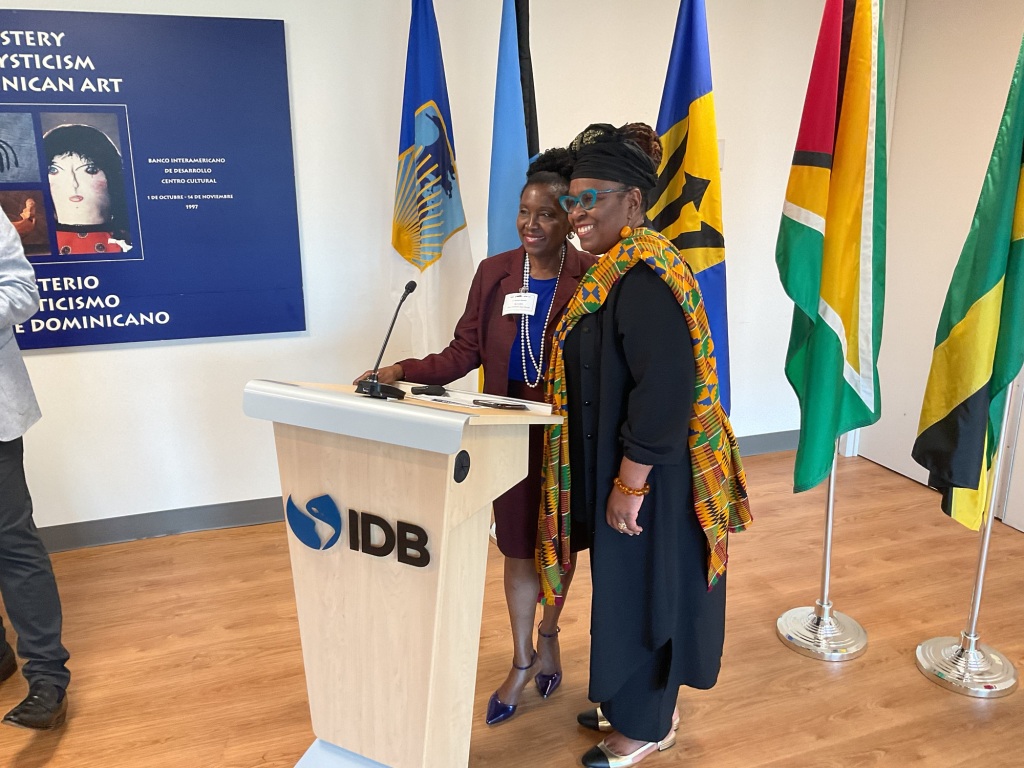
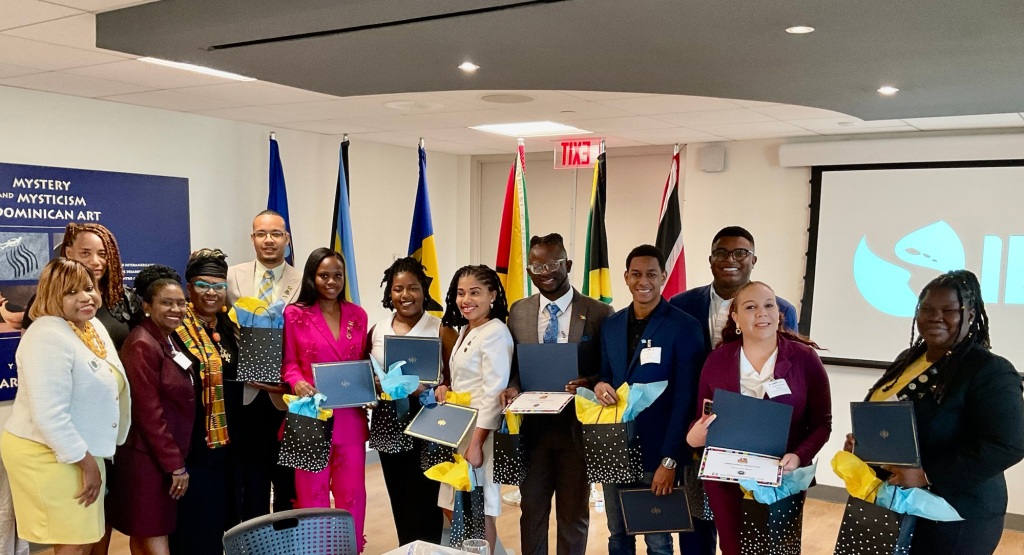
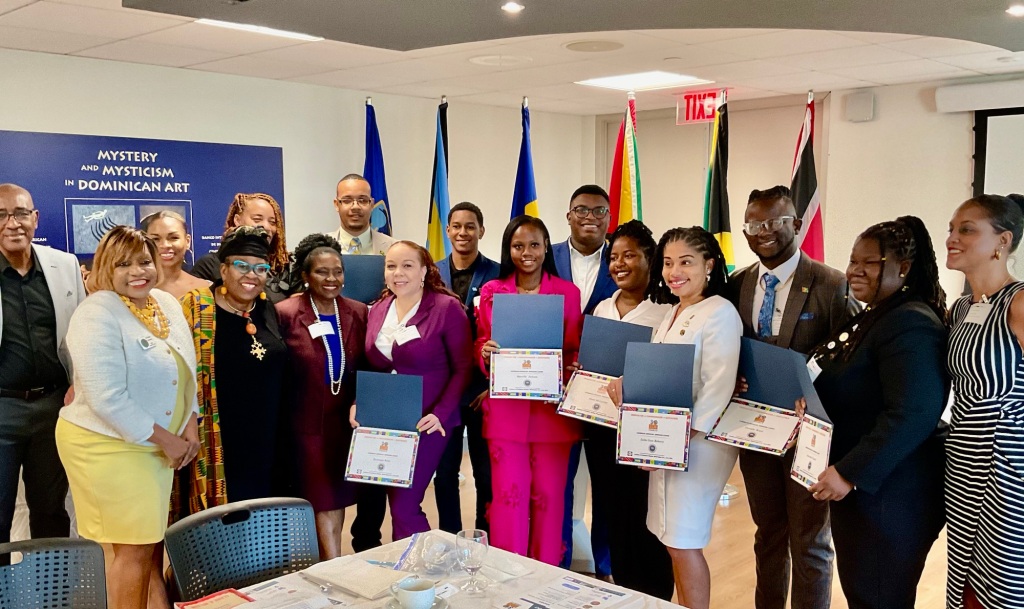
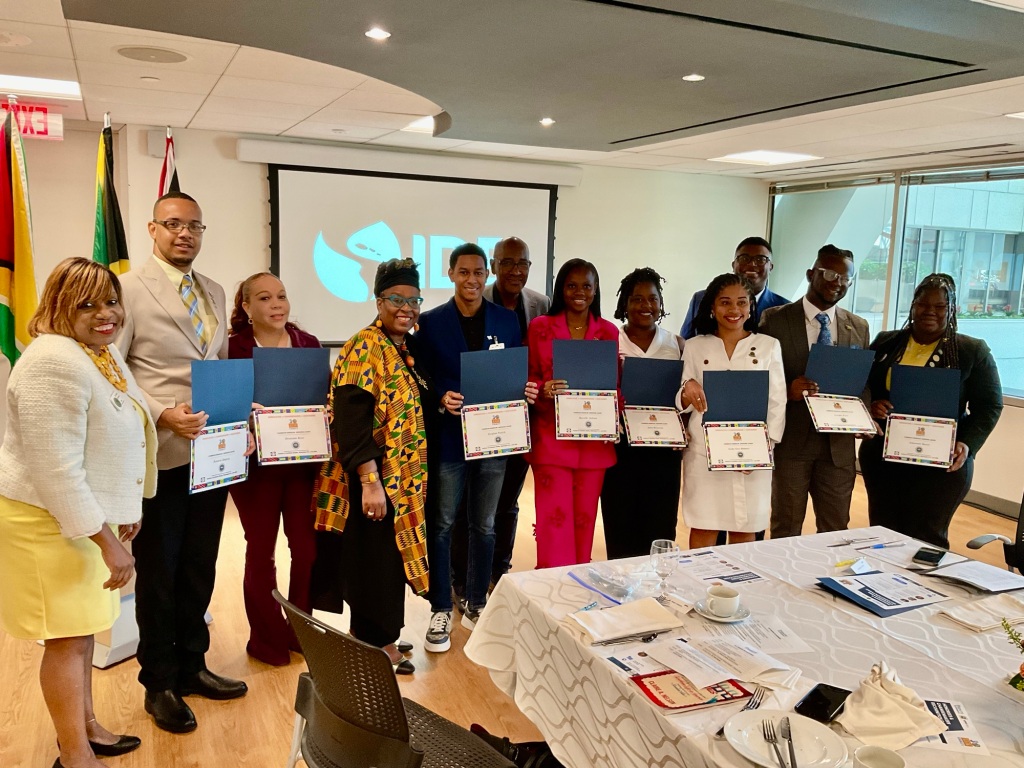
Top 30 Under 30 Honoree Celebration Ceremony

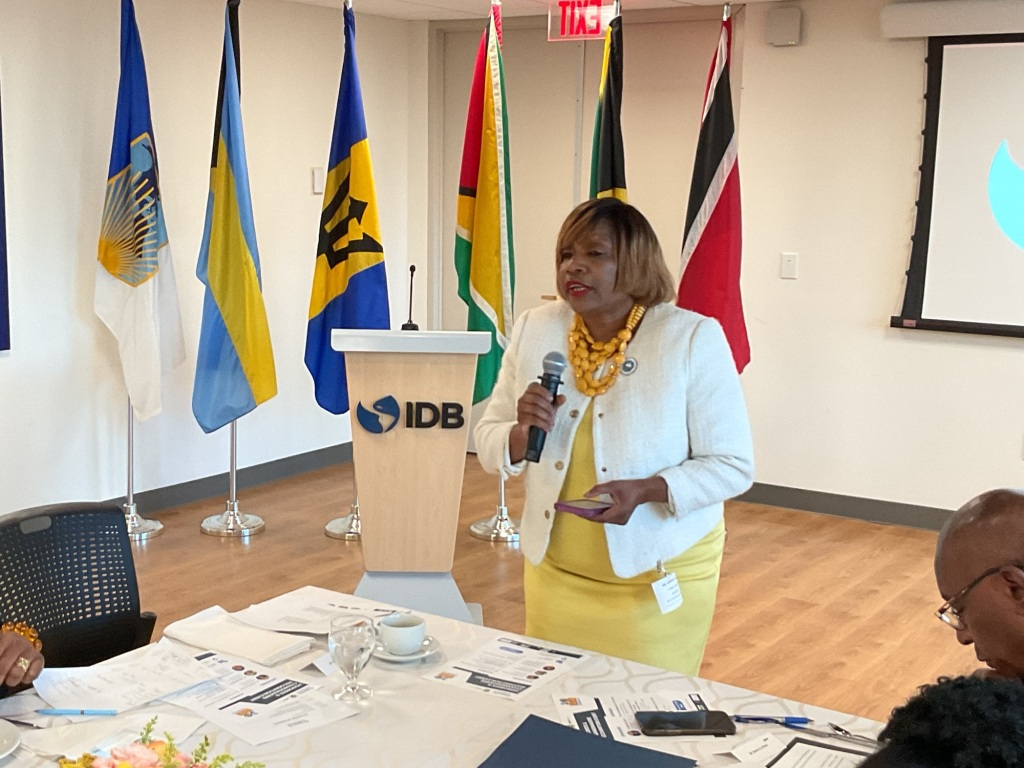
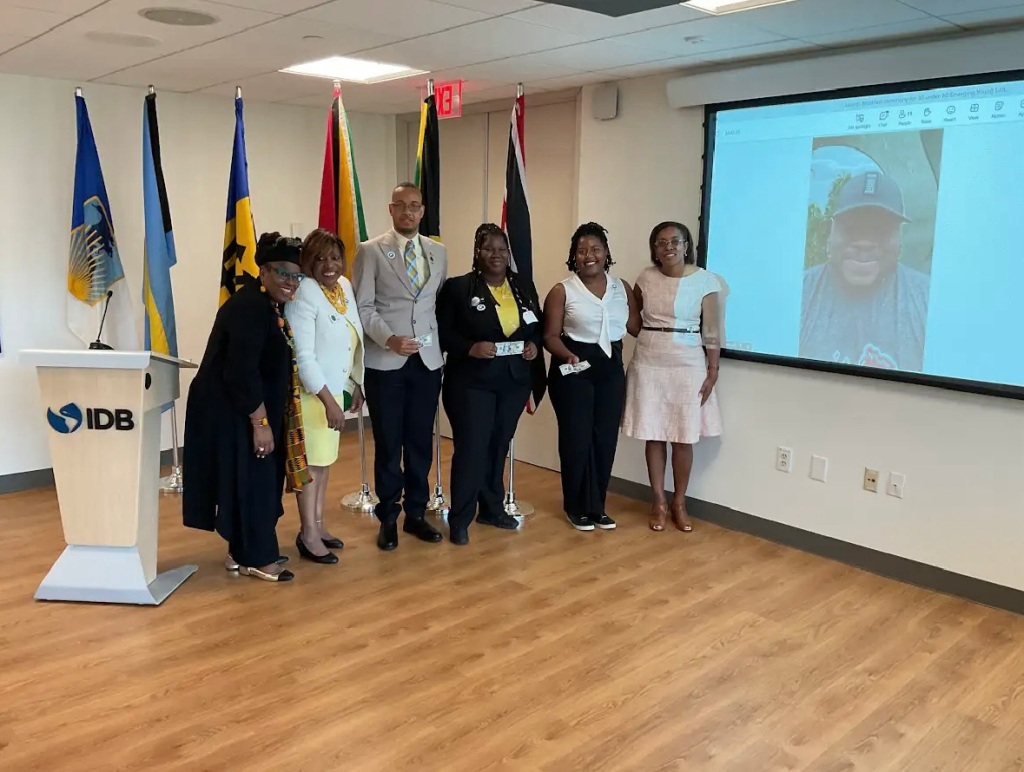
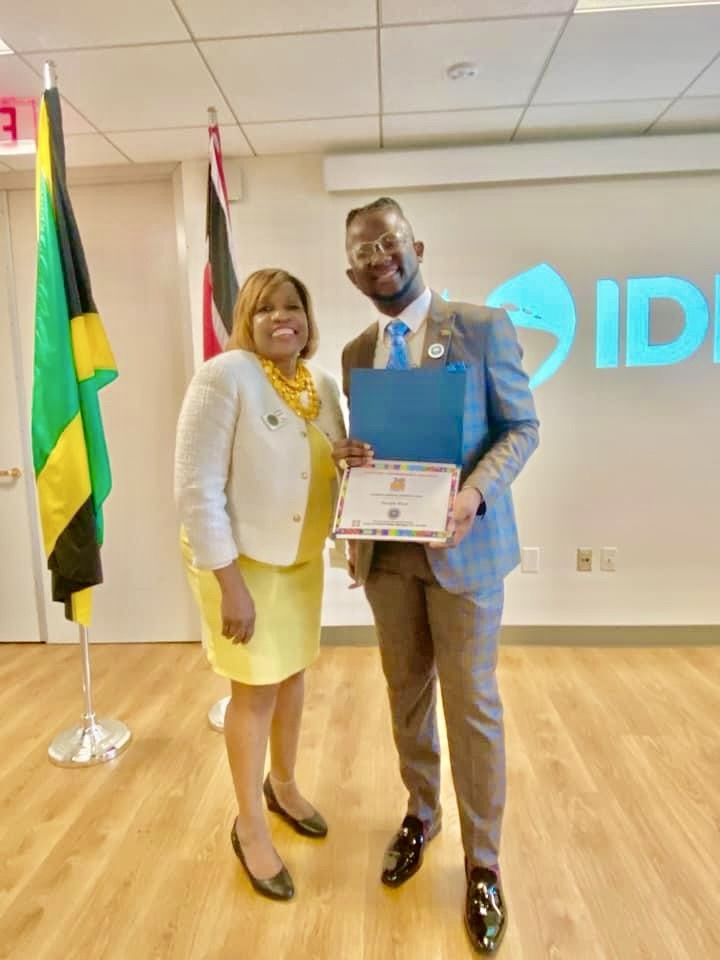
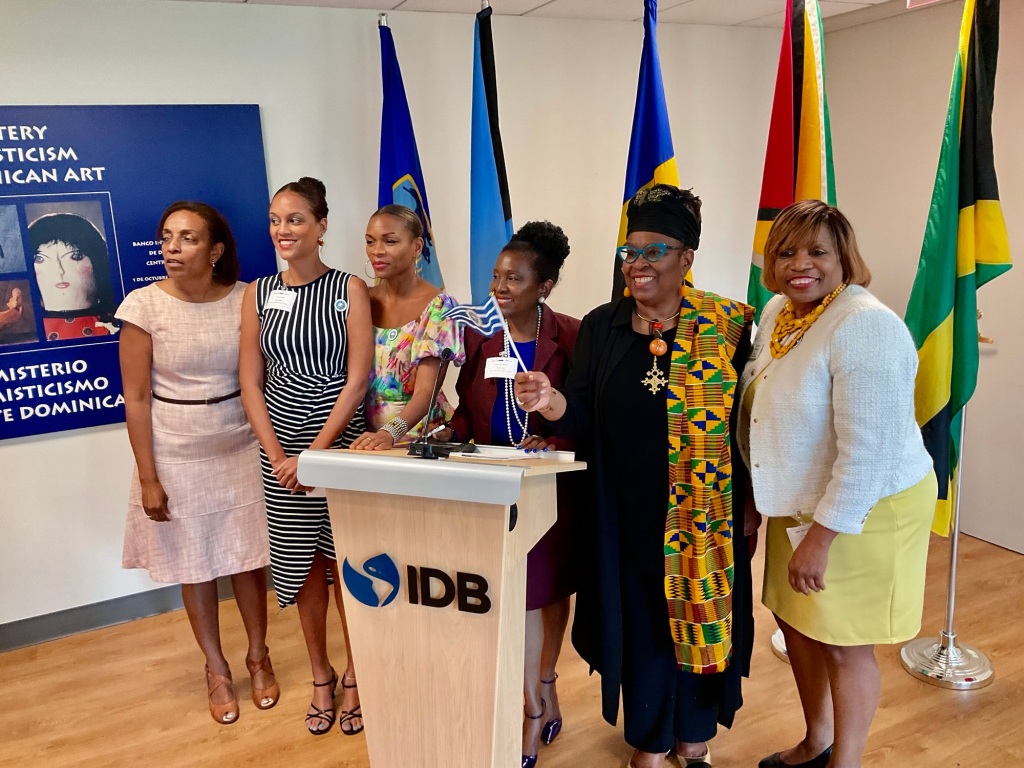
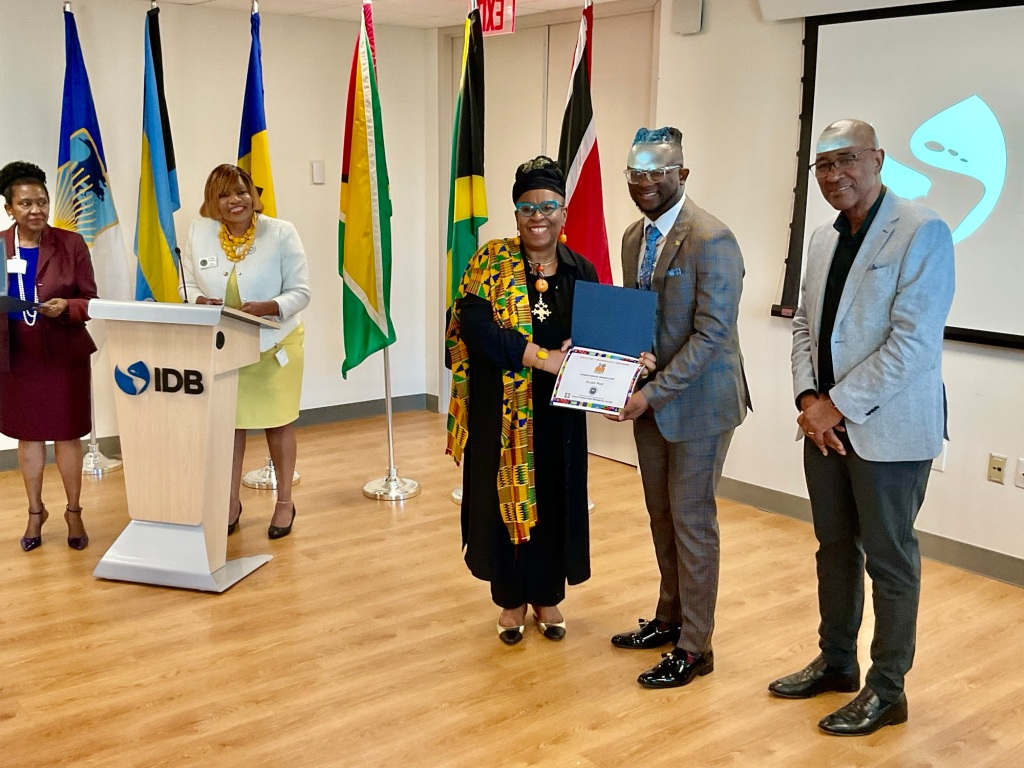
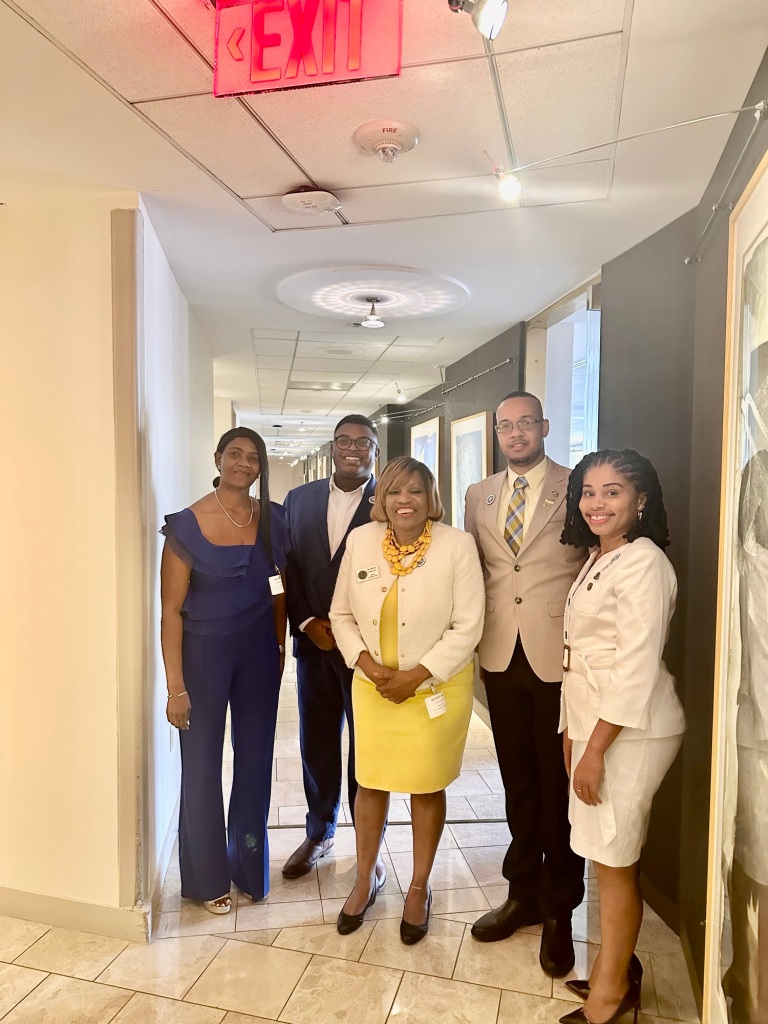
Be the change you wish to see in the world. Indeed it was such a joy to lead this youth empowering passion project during Caribbean American Heritage Month as I joined with Dr. Claire A. Nelson White House champion of change, Maxine Barnett and team to lead the Recognition Ceremony of this year’s top 30 Under 30 honorees who travelled from different states and countries.

Thanks to our host Executive Director Mr. Robert Le Hunte and team, we
converged at the Inter-American Development Bank on June 14th.

Personally, my heart bursts with joy as the youth ambassadors passionately presented their goals and innovative ideas.

These aspiring leaders shared projects ranging from Robotics, climate change vs youth inclusivity, carnival’s exciting cultural events amidst the impact on the environment, carwash waste management, foster care, homelessness, disability efforts. Other projects that came to light by this year’s Ignite Caribbean
young leaders were on advocacy towards Banned Books, education, and more.

Thanks Miranda Caribbean Community in Philadelphia for presenting each honoree with gift packages including copies of my books on Success Strategies, leadership, immigrant women experiences etc

We appreciate the efforts of our co-chairs Bradley Downer and Stephanie Simon for their outstanding support! To our judges Abby Charles Maxine Barnett MSc BA CPC Janeala Morsby, PhD Dr. Lisa K. Soares Kimberly campbell Miranda Alexander.

Kudos to our Sponsors Trevor A Smith Dr. Roxanne Valies Authentic Caribbean Foundation Global Coaching Corner Jeanette and Janell Andrews

Indeed We are grateful for your partnership.

Learn more about each candidate and their projects at http://www.ignitecaribbean.org

Overcome Imposter Syndrome in Leadership

I did it!

Imposter syndrome is a persistent unjustified feeling that one’s success is fraudulent. Imposter syndrome is characterized by doubt in one’s abilities—despite a record of achievement or respect from one’s peers—and a fear of having one’s unworthiness exposed.

Britannica

Congratulations on your promotion! Yet, as you step into your new role, you may find yourself grappling with feelings of inadequacy and self-doubt. This phenomenon, commonly known as imposter syndrome, can plague even the most accomplished individuals, especially when thrust into unfamiliar territory without proper training or support.

As a new manager, you may be questioning your abilities, second-guessing your decisions, and fearing that at any moment, someone will expose you as a fraud. These feelings are not uncommon, but they can hinder your performance and diminish your confidence.

But don’t be afraid, for there is a way forward. With the right guidance and coaching, you can forge your way through these periods of uncertainty and emerge as a confident and capable leader. Through targeted strategies and personalized support, you can learn to silence your inner critic, cultivate self-assurance, and embrace your newfound role with authenticity and resilience.

During coaching sessions, you explore the root causes of your imposter syndrome, identify limiting beliefs, and develop practical techniques to overcome them. From effective communication and decision-making skills to building strong relationships and managing expectations, you will be equipped with the tools and mindset needed to thrive in your leadership journey.

Remember, you were chosen for this role for a reason. You possess unique strengths, experiences, and perspectives that have prepared you for this moment. Let’s connect. Together, we will unlock your full potential and empower you to lead with confidence, integrity, and authenticity.

It’s time to banish the doubts, embrace your strengths, and step into your leadership with conviction. Let’s embark on this transformative journey together.

Cheers!

Photo by Ono Kosuki on Pexels.com

HBR’s 3 Ways To Work With Difficult People

Practice the Pause

We’ve all been there. Work we must, yet doing so with difficult people makes it harder. Here’s an Harvard Business Review (HBR) perspective that can help to make it easier in 3 ways:

Leading When The Going Gets Tough

•Reflect on the cause of tension and how you are responding to it

•Work harder to understand the other person’s perspective

•Become a problem solver rather than a critic or competitor.

Read details here;

https://rb.gy/4zdxew

Are these tops insightful? Are there any you have used, or wish to add? Do share. We would love to hear.

Cheers!

10 Thoughtful And Practical Gift Ideas For Women Leaders This Mother’s Day

The Perfect Gift for Her

Some gifts are big. Others are small. But the ones that come from the heart are the best gifts of all.

Tinku Razoria

Celebrations, Birthdays, Mother’s Day, Selfcare Days…. no matter the occasion, it is always hard to find the ideal gift for the perfect mom, sister, co-worker, best friend to encourage or simply to say Thanks to one who did a kind deed. Here are 10 thoughtful and practical gift ideas for women leaders.

Gifts for Her

  1. Professional Development Books: Gift a selection of books on leadership, personal development, or career advancement. Choose titles that align with the recipient’s interests and goals, such as “Ditch It, Switch It“, “Lean In” by Sheryl Sandberg or “Dare to Lead” by Brené Brown.
  2. Journal or Planner: A stylish journal or planner can help women leaders stay organized, set goals, and track their progress. Look for a high-quality notebook with inspirational quotes or customizable sections for reflection and planning.
  3. Online Course or Workshop: Invest in an online course or workshop that aligns with the recipient’s professional development goals. Whether it’s leadership skills, negotiation tactics, or public speaking, there are plenty of options available to enhance their skills and knowledge.
  4. Executive Coaching Sessions: Provide the gift of personalized coaching sessions with a professional executive coach. This one-on-one support can help women leaders overcome challenges, set strategic goals, and accelerate their career growth.
  5. Membership to Professional Networks: Consider gifting a membership to a professional organization or networking group tailored to women leaders in their industry. This provides opportunities for networking, mentorship, and access to valuable resources and events.
  6. Tech Gadgets or Accessories: Surprise her with a stylish and functional tech gadget or accessory that enhances productivity and efficiency, such as a smartwatch, wireless headphones, or a sleek laptop bag.
  7. Self-Care Package: Put together a self-care package filled with pampering essentials like scented candles, bath salts, herbal teas, and skincare products. Encourage women leaders to prioritize their well-being and recharge their batteries.
  8. Mindfulness or Meditation Tools: Help women leaders manage stress and promote mindfulness with gifts like a meditation app subscription, aromatherapy diffuser, or a set of meditation cushions.
  9. Personalized Leadership Assessment: Invest in a personalized leadership assessment tool or 360-degree feedback survey to help women leaders gain valuable insights into their strengths, areas for improvement, and leadership style.
  10. Inspiring Artwork or Decor: Choose a piece of artwork or decor that inspires and motivates women leaders in their workspace. Whether it’s a motivational quote print, a vibrant painting, or a decorative desk accessory, find something that resonates with their aspirations and values.

These gift ideas for women leaders combine practicality, inspiration, and personalization to support their professional growth and well-being.

Which gift pulls you in? Is there another or a few that you would like to add? Do share. We would love to hear.

Connect now to gift that personalized gift of Executive Coaching or personalized leadership assessment today. It is the gift that keeps on giving.

Cheers!

Photo by Ioana Motoc on Pexels.com

Travel with Intent

A photographer's view of the world - words and images to inspire your travels and your dreams

Answering daily prompts

In this blog I'm attempting to answer wordpress daily prompts

Alex Tafur

Property Maintenance

Poesy Perspectives

embrace the magic

GREENLiGHT

When God Says Go

HEALTH | INSPIRATION

Mind • Body • Life

My Sister My Friend

Family. Youth. Parenting

Kamileon Photography

Your Focus. Our Lens.