Leadership and learning are indispensable to each other.
John F. Kennedy
New supervisors are hesitant yet eager to dive into the job. Without training, mistakes happen. Behaviors indicating the need for supervisory training are shown here. Take a look and based on your observation, identify any that may need to be corrected.
1. Poor Communication
Poor communication skills exhibited when supervisor fails to set clear expectations, give direct feedback, listen actively.
Ineffective at delegating – micromanages employees instead of empowering and trusting
4. Unable to Develop Team
Supervisors are unable to develop team – little coaching or support for the team’s professional growth
5. Poor at Managing Conflict
Poor at managing conflict shown through avoiding difficult conversations. Often, they let issues fester.
6. Fails to Align and Motivate
Failing to align and motivate employees. No vision, inspiration or strategic direction provided.
Recognize any of these behaviors in yourself, co-worker, family member or friend? It’s not a tradition. There is always hope. Training, one on one or group coaching can improve the behaviors those supervising leaders can received.
The 12 warning signs you might need a coach a stellar Rachel Turner share. A list you would be mad to miss:
You feel stuck. You feel stuck in your personal or professional life, unable to move forward.
Lack of clarity. You’re unsure about your goals or next steps in life.
Recurring negative patterns. You notice repeating negative patterns in your behavior or relationships.
Balance issues. You’re struggling to balance work, life, and personal commitments.
Decision paralysis. Making decisions feels overwhelming or impossible.
Low confidence. You often doubt yourself and your abilities.
Communication challenges. You find it difficult to communicate effectively in personal or professional settings.
Leadership struggles. You’re in a leadership role but feel out of your depth.
Chronic stress. Managing stress has become increasingly challenging.
Transitioning phases. You’re going through a significant life or career transition.
Seeking growth. You’re eager for personal or professional growth but don’t know where to start.
Lack of accountability. You find it hard to hold yourself accountable.
Here’s what a coach can do:
✨ Provide clarity in your chaos. ✨ Offer unbiased feedback. ✨ Help you identify and break negative patterns. ✨ Guide you through life’s transitions. ✨ Boost your decision-making skills. ✨ Elevate your leadership abilities.
Because sometimes, the only thing standing between you and your goals is you.
Janet was elated when she was promoted for her exceptional skills and expertise in performing her job. Within a few weeks she called expressing her frustration as she felt like an imposter. She was finding it difficult to handle the challenges of her new role.
Challenges and Problems New Supervisors Face
Here are some common problems and challenges new supervisors often face:
Lack Authority -Promoted but struggle to influence former peers.
Ineffective Delegation – New supervisors may want to prove themselves by doing it all without delegating. End up micromanaging or miss opportunities to empower their team.
Poor Time Management – Often end up buried in daily tasks compromising productivity.
Mishandling Performance – avoid difficult conversation or acting too aggressively to assert authority.
Poor Communication skills -Giving direction or feedback is unclear, not listening or making assumptions.
Maintaining friendships – Boundaries blur as new supervisors must now manage former co-workers who were friends.
Lack of leadership training – often promoted without receiving adequate training.
Unrealistic expectations – new supervisors may feel they know everything already or may want to quick-fix long standing issues quickly.
Imposter syndrome – doubt their abilities, lack confidence, or feel underqualified.
Stress and work/life balance – they become overwhelmed by the pressures of the responsibilities of the new role.
Go it Alone – Does not seek help from a coach who can help them navigate the new role.
With proper mentoring, training, and experience over time, these common pitfalls can be overcome. Patience, self-awareness, and a learning mindset are key for successfully transitioning to supervisor.
Connect with a leadership coach who will help you confidentially maneuver the challenges of your new role.
Questions or need to add any missing challenge? Do share, we would be glad to hear.
You cannot escape the responsibility of tomorrow by evading it today.
Abraham Lincoln
A colleague shared her exhaustion with what she termed as her habitual procrastination. She was tired of incomplete tasks in her life and asked for help.
Avoiding procrastination is essential for leaders and professionals to maintain productivity and achieve goals. Here are 9+ key points shared to help overcome this practice.
1.Self-Awareness
Recognize your procrastination habits and understand the underlying causes. Self-awareness is the first step to change.
2.Prioritization
Prioritizing tasks is essential. Leaders should focus on high-impact, high-priority activities first.
3.Set Clear Goals
Set specific, measurable, achievable, relevant, and time-bound (SMART) goals. Having clear objectives provides motivation and direction.
4.Time Management
Use effective time management techniques, such as time blocking, to help you allocate your time efficiently.
5. Break Tasks into Smaller Steps
Practice breaking larger tasks into smaller, manageable steps. This makes tasks less daunting and more achievable.
6.Delegation
Trust more. Delegate tasks to capable team members when possible. Delegation frees up time for strategic thinking and higher-priority activities.
7. Overcoming Perfectionism
Are you a perfectionist? Often this tendency fuels procrastination through delaying completing projects until they are perfect. Focus on progress, not perfection.
8. Accountability
Set up an accountability system, such as working with a mentor, coach, or a peer who can hold you responsible for deadlines and commitments.
9. Eliminate Distractions
Identify strategies to minimize distractions, whether it’s turning off notifications, setting specific work hours, or creating a clutter-free workspace.
10. Self-Motivation
Identify your intrinsic motivation. What drives them to succeed? Connecting with their personal “why” can provide the push you need.
11. Time for Self-Care
Practice taking regular breaks and prioritize self-care. A well-rested and healthy leader is less likely to procrastinate.
12. Mindfulness and Focus
Adopt mindfulness practices and techniques that can improve focus and attention, reducing the temptation to procrastinate.
13. Positive Self-Talk
Replace negative self-talk with positive affirmations. Confidence can help combat procrastination.
14. Celebrate Achievements
Acknowledge and celebrate your accomplishments, no matter how small. Positive reinforcement can reinforce productivity.
15. Continuous Improvement
Focus on the concept of continuous improvement. As a Leader, it is important to regularly assess your time management and productivity strategies and adjust as needed.
16. Seek Professional Support
If procrastination is chronic and significantly hinders your leadership effectiveness, seek support from a therapist or counselor who specializes in procrastination or time management issues.
As a certified Master leadership coach, I provide support, guidance, and accountability to leaders to help them work to overcome procrastination. Implementing the strategies articulated here and developing healthy habits will lead to more effective and efficient leadership.
Want to succeed in the new year? Set goals! It’s a big deal because setting goals can help you get where you want to be. The 10 steps that follow make it super simple for you. Whether you’re a leader, professional or just someone who wants to grow, these steps will guide you through the strategies to set goals that really work. The aim is to help you stay motivated and focused on your path to success.
Define the Objective: What is the specific area or aspect of life where you want to set a goal? What is the purpose of this goal?
Step 2: SMART Goals
Specific: Make the goal specific, avoiding vague language. What exactly do you want to accomplish?
Measurable: Ensure the goal can be quantified in some way. How will you measure your progress and know when you’ve achieved it?
Achievable: Assess whether the goal is realistic and attainable. Is it within your reach, given your current resources and constraints?
Relevant: Does the goal align with your values, long-term objectives, and the bigger picture of your life. Is it meaningful?
Time-Bound: Set a clear timeframe or deadline for achieving the goal. When will you complete it?
Step 3: Break It Down
Break It Into Smaller Steps: Divide the larger goal into smaller, manageable tasks or milestones. What steps need to be taken to reach the goal?
Step 4: Prioritize
Prioritize Tasks: Determine the order of importance for each task. Which steps should be tackled first, and which can follow?
Step 5: Visualize Success
Create a Mental Image: Ask the individual to visualize themselves successfully achieving the goal. How will it feel? What will it look like?
Step 6: Identify Obstacles
Recognize Challenges: Reflect on potential obstacles, difficulties, or setbacks you may encounter on your journey to the goal. How can you prepare to overcome these challenges?
Step 7: Develop a Plan
Create an Action Plan: Outline the tasks, deadlines, and resources required to achieve the goal. What specific actions will you take?
Step 8: Monitor and Adjust
Regular Review: Emphasize the importance of monitoring progress regularly. How are you doing in relation to the goal? Are you on track?
Adjust and Adapt: Be flexible in adapting the plan as needed. If you encounter unexpected obstacles or need to change your approach, how will you do so?
Step 9: Accountability
Accountability Partners: Have an accountability partner, such as a coach, mentor, or friend, who can provide support and hold you responsible for your commitments.
Step 10: Celebrate Success
Acknowledge Achievements: When you reach your goal, celebrate the achievement. Do some self-reflection and recognition of your progress.
By following this step-by-step process, you can set and achieve goals that align with your values and aspirations.
Need an accountability partner to help you set your goals and stay on track? Let’s connect
Grab a Friend and Get ready to level up 2024 at the Goal Setting Retreat, where we’ll dive deep into setting & crushing your goals while enjoying fun.
Get ready to level up 2024 at the Goal Setting Retreat, where we’ll dive deep into setting & crushing your goals while enjoying fun.
2024 Goal Setting Retreat for Empowered Leadership
Buy One Bring a Friend 50 Percent offand join us for the 2024 Goal Setting Retreat for Empowered Leadership! This intimate small group in-person event will take place on Saturday, November 4, 2023, starting at 9:30 AM (EDT), at the lovely Hutchinson Island.
Are you a seasoned corporate Leader, professional, entrepreneur or desiring a change to take your career to the next level? This retreat is designed to empower and inspire you to set ambitious goals and achieve extraordinary results. Whether you’re a seasoned leader or just starting out, this event is for you!
OBJECTIVES include reflection & assessment; defining your vision; goal planning & strategy; overcoming challenges and staying motivated; tracking progress and adjusting.
During this retreat, you’ll have the opportunity to connect with like-minded individuals, learn from experienced mentors, get clarity and valuable insights into effective goal setting strategies. Gain insights from shared personal experiences and get practical tips to help you unlock your full leadership potential.
Get ready for a day filled with interactive, engaging discussions, personal reflections, learning stories from the field, networking opportunities, and rejuvenating fun on Florida’s sun, sea,and sand. You’ll leave feeling motivated, energized, and equipped with the tools to create a clear roadmap for success.
Don’t miss out on this incredible opportunity to invest in your leadership journey. Reserve your spot today and get ready to set yourself up for a successful 2024!
We often ask the question why some people succeed when others don’t. It seems there is a missing element. Something we lack. The truth is that you can succeed at whatever you dream about; whatever you put your mind to achieve. Know that you don’t have to go it alone. Here are some reasons why people hire a coach to improve their lives and their business.
People hire a coach to help put systems in place (e.g. time management, social media engagement, managing products, and managing people)
When they know what to do but not how to do it
Feel Stuck , confused
When you want to make more money …want to do what you want to do
When they know it’s time to break free
When they figure out they can’t do it alone
Need resources and don’t know where to find them (financial…
The pessimist complains about the wind. The optimist expects it to change. The leader adjusts the sails.
John Maxwell
Follow the Leader, the popular song says. But is it always true to follow every leader? Are some better leaders that others? You can be assured that indeed some leaders are in fact better than others.
An INC’s article shared the top 5 signs that a leader is not a fit. Here I share my top 4 favorite.
Narcissistic Tendencies & More
Narcissist tendencies
Look out for themselves only
Treating people like numbers
Too much control
Which stands out to you? Are there other signs you can recognize? Do share, we would love to hear.
Let no one define what Success means to you. Define it for yourself
@Dr. Shelly C
It was a pleasure sharing my background and coaching experience with the International Coaching Federation (ICF) South Florida Chapter Host, Eric Goeres, PCC. Listen to the Podcast recording or read the details below to learn more about my Journey.
My Journey
How did I become, what was your journey to, how did you wind up becoming a coach? What is your background?
I worked with a major global pharmaceutical company for over 14 years in a HR Strategic Leadership role where I held HR responsibility for countries in the Caribbean reporting into USA/Latina region. I coached and advised business managers on managing their people. At the height of my career, having led the project to successfully achieve the employer of choice award, I decided to go in a different direction. The goal was to make a difference in healthcare and the wider community in the USA.
Even though I already had a masters in HR Management, I enrolled full-time in the Masters Health Administration program. On completion, I got my dream role to manage a group of medical practices located throughout South Florida.
I eventually partnered with the Institute of Caribbean Studies in Washington DC, where I am Chief Judge for its Flagship 30 Under 30 Ignite Caribbean Initiative recognizing the changemaking efforts of outstanding individuals under 30 years old.
As I reflect managers I have worked with kept reaching out to me at major crossroads in their life. Ethics, trust, and confidentiality were always my standard and I guess it followed me. People would reach out to share and talk with me confidentially about their next steps. After noticing the pattern and giving myself to any opportunity that arose, I realized that coaching was something I was passionate about but never considered officially. It was then I decided to take the leap into becoming accredited. That’s how my formal accreditation journey began early 2022.
Leadership Coaching
What kind of coaching do you do? And who do you work with?
My focus is on Leadership Coaching. I work with 40+ Mid-Life Corporate Leaders in Transition. This niche was perfect for me as my experience included several global mergers and acquisitions and was formally trained in change management. On top of that my doctoral studies focused on organizational leadership. I later published Journal article titled: The Leadership Challenge: Success Strategies of Immigrant Leaders in the USA. This was also published in books titled Success Strategies as well another titled “Your Career: Ditch it Switch”, which I now use to help coach leaders in transition.
Coaching Style & Philosophy
What’s your coaching style? How do you coach? What’s your coaching philosophy?
Versatility, depending on the needs of the client.
Special Project
Is there anything specifically you’d like to talk about?
My writing is something that is special. I write to satisfy my curiosity or personal growth and development. It then turns out that others seem to have the same issues as me, so I share, and it inspires. So, I will continue my publishing journey. I also talk a lot about Fear because it’s something that holds us back. My philosophy is to “do it in spite of your fear”.
I have partnered with Dr. Indiana Robinson to publish book titled Women Immigrants and the Challenges Faced: Perspectives on Higher Education in the United States.
Growth of coaching in organizations and its link to change management
The Future of Coaching
What do you think the future of coaching looks like?
The market is filled with many who call themselves ‘coaches’ but are untrained. I believe with the rise of credentialing; the world of coaching will become attractive to organizations and individuals who are credentialed and stick to ethical standards of the ICF. Accountability will be the gold standard for success.
With the influx of the pandemic changes, I was already coaching individuals for years across borders, but the pandemic made the process official. Individuals liked the flexibility of being able to meet virtually on zoom at times convenient to them.
Never hesitate to go far away, beyond all seas, all frontiers, all countries, all beliefs.
Amin Maalouf
With just a carry-on, I felt led to travel solo to a faraway land. Was it nerve racking? Kinda. I travelled without fear, more intrigued by curiosity while discovering the unknown. Most of all my learnings forced me into a new realm bursting forth with a new sense of unhurried flair.
Here I share a few of learnings:
Learned self-confidence. To be confident in who I am and who I want to be.
I learned to accept differences in cultures
I learned to accept the uniqueness of different lifestyles
I learned to say YES to myself, to what I want and to say No to the desires that others want for me.
I learned to hold firmly to my belief to never give up.
I learned to grow up and out to spread my wings.
I learned to try things that force me out of my comfort zone.
I learned to take rests.
I learned to take risks and not be afraid or most importantly, to take the risk even when I am afraid, despite my fear
I learned that education is critical to success but also to have a life.
I learned to be me.
I learned to not be of afraid to be me – to speak the way I want to speak.
I learned to write to help others through coaching.
I learned to express myself in writing to help others develop and maximize their potential.
I learned to laugh.
I learned to accept life’s simple things.
I learned to love dogs and animals.
I learned to accept help from others despite my independence.
I learned to accept love from others
I learned to accept what success means to me and not what others expectations are for me.
I learned to challenge myself to step out into the unknown.
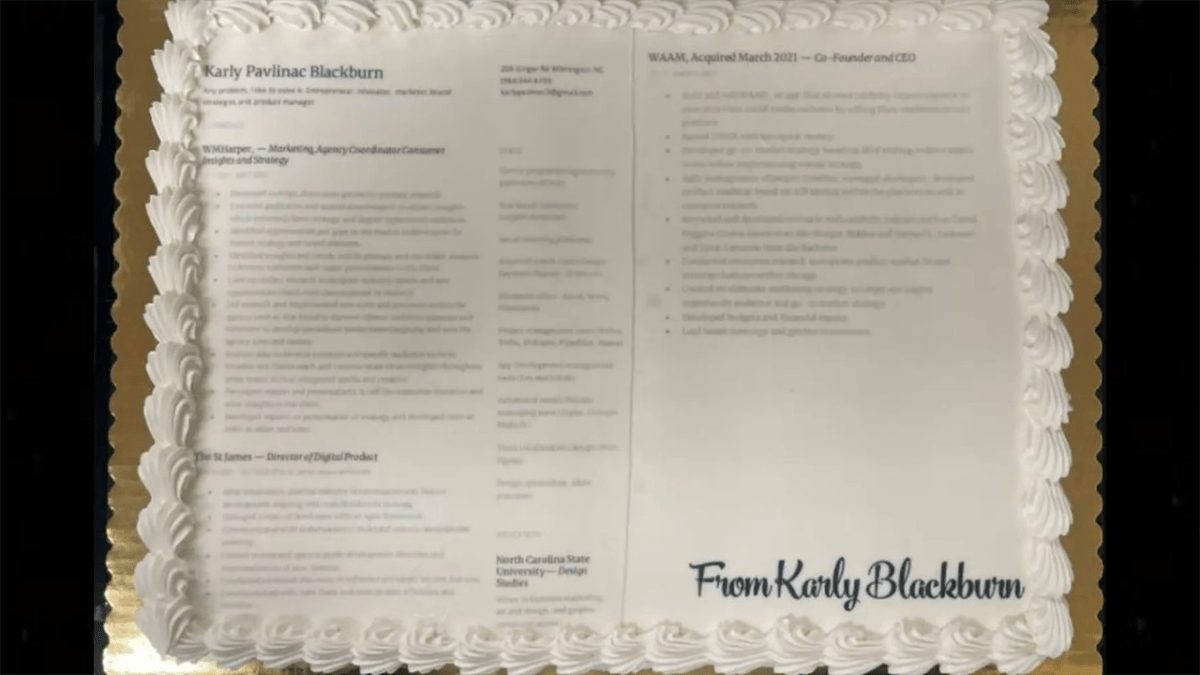
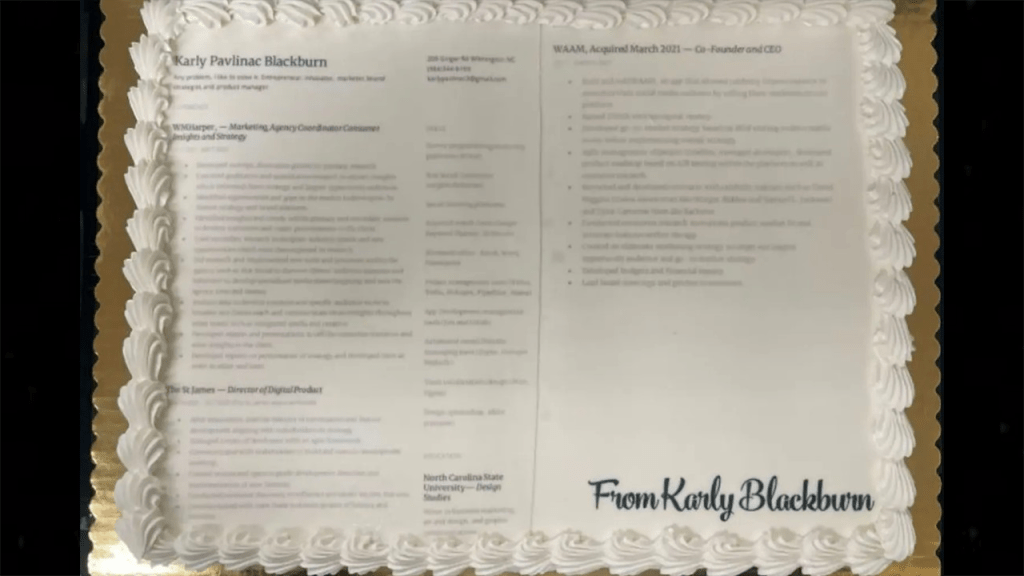
CNN headline news shared the news of Karly – a 27 year old who ordered a cake with her resume printed on it and sent it to the company of her dreams. Guess where? Nike!
This feat was done from her location in North Carolina to their headquarters in Oregon. Talk about innovation! All with the help of an equally ferocious delivery driver. Karly then shared the picture of the cake on LinkedIn …that’s the place for top jobs, right? Sure enough it sparked lots of interest. Some ‘meanies’ chimed in too. They thought it was a bad idea and voiced how they would never hire her.
The Creativity of the Creative
Personally I’m a lover of anything different. Of thinking outside the box. Same result but with a twist. It brings in the new; makes one stand out against the competition (whether or not there is competition) and shows initiative, The open-minded for sure will snatch up the innovative.
Step out today. Try something new, something different. Heck, you may even surprise yourself! And oh by the way, don’t limit this to jobs only. Travel, relationships, entrepreneurship ventures and more are all included.
What’s the most creative step have you taken? Do share. We would love to hear.

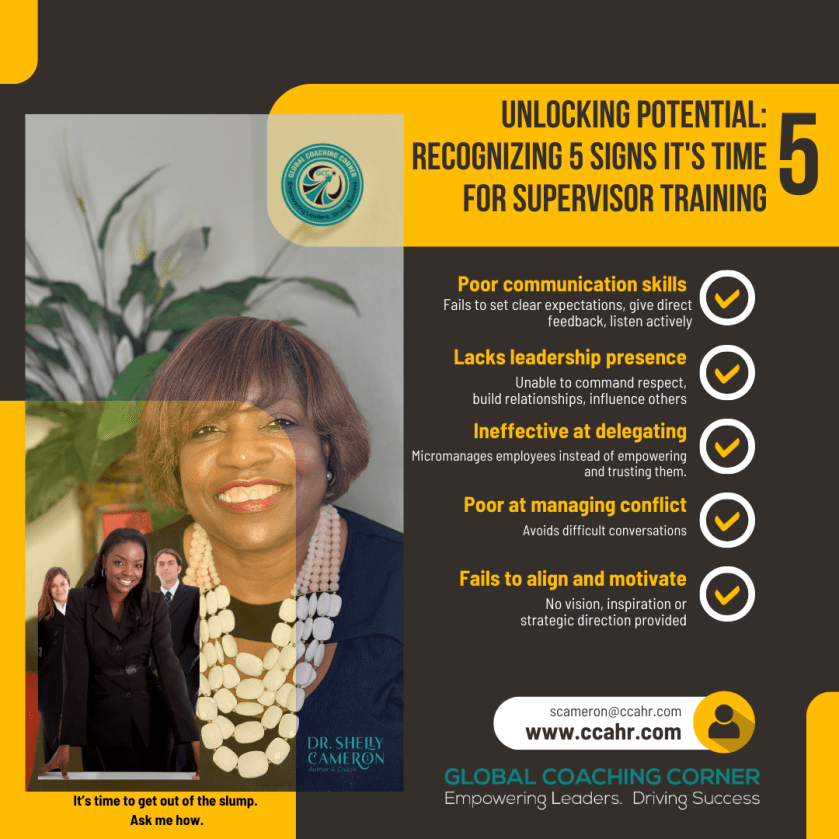

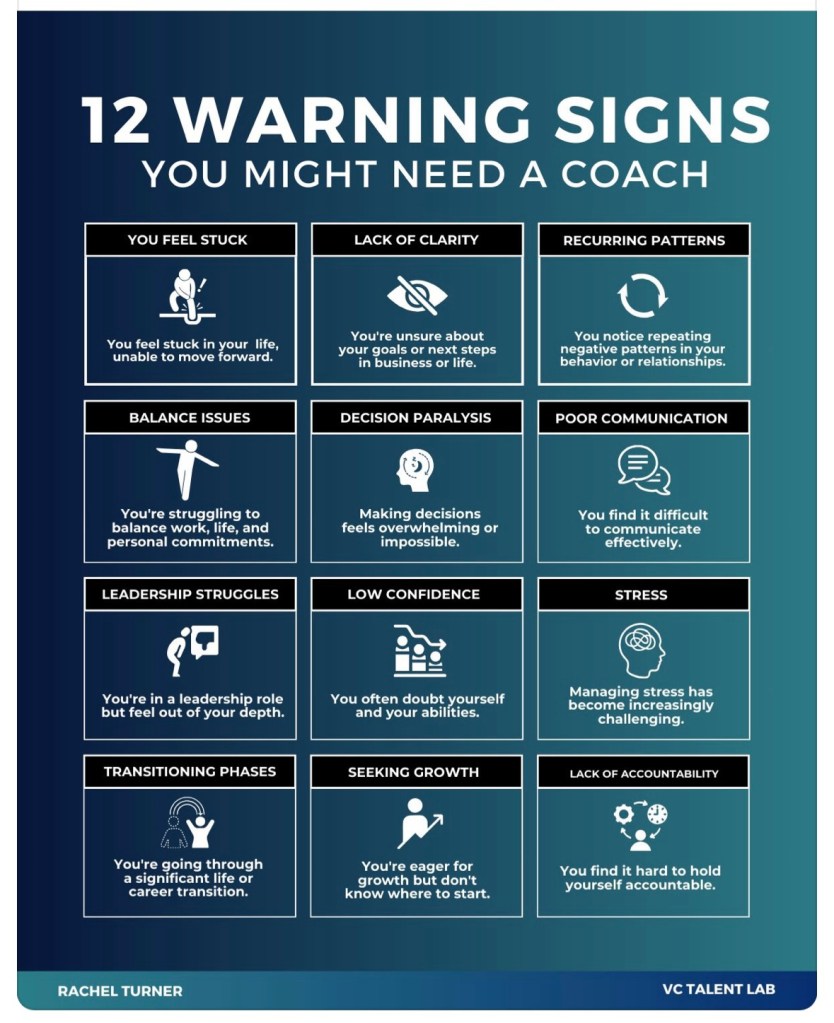





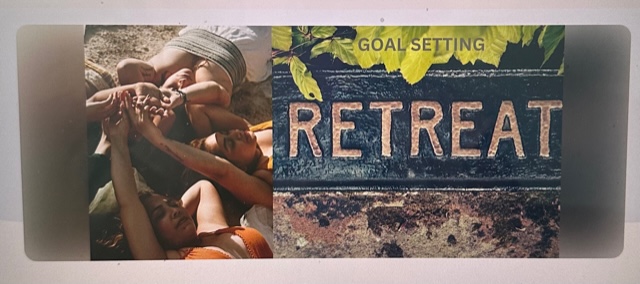


 Photo by Pixabay on