Subscribe to continue reading
Subscribe to get access to the rest of this post and other subscriber-only content.
Subscribe to get access to the rest of this post and other subscriber-only content.

You can get excited about the future. The past won’t mind. ~Hillary DePiano
The end of the year naturally invokes a period of career reflection, which serves as a psychological milestone that compels professionals to pause and assess their journey. As the calendar approaches its final weeks, individuals are instinctively drawn to introspection, triggered by a combination of cultural traditions, personal goal-setting practices, and an innate human desire for growth and meaning. This time of reflection is fueled by the contrast between the year’s accomplishments and unfulfilled aspirations, creating the opportunity for honest self-evaluation (hint …that common ideal weight loss plan).
Also read: Conquering Transition Doubts
The approaching new year symbolizes renewal and potential, encouraging professionals to reflect on their career trajectory, measure progress against past objectives, and recalibrate their professional vision. Factors like annual performance reviews, financial assessments, industry shifts, and personal life changes converge during this period, making it an ideal time to critically reflect on career satisfaction, skill development, alignment with long-term goals, and potential opportunities for growth or transformation.
Consequently, here are a number of pointers that discusses this period of reflection along with recommendation. Not a self-starter , we can help.
Are you experiencing any of these signs? If so, it’s time to do something about it. Adapt the motivational approach along with the recommended actions. But if you need the expertise of a coach who can help. Better yet, purchase a gift certificate for a friend experiencing these signs and help him/her kick off the new year with a difference.

C a r e e r G r o w t h
If it scares you, it might be a good thing to try. ~Seth Godin
Lisa, a technology manager, and Michael, a software team supervisor, met for lunch and commiserated about their professional frustrations. Lisa, despite her generous salary, felt increasingly disconnected from her role leading the IT division. Michael was overwhelmed by constant organizational changes and felt trapped in a cycle of overwork without appropriate compensation. His primary aspiration was career advancement, hoping to break through the ceiling that currently limited his professional growth.
Their conversation highlighted a widespread workplace challenge that often becomes more pronounced during the year-end period, when professionals reflect on their career trajectories. Have you noticed similar sentiments among your colleagues or loved ones? Perhaps a thoughtful gift of career coaching could provide the guidance and perspective needed to navigate professional challenges.
Introducing our Holiday Career Coaching Gift Certificates!
✨ Recent graduates seeking direction
✨ Friends considering a career pivot
✨ Professionals ready to level up
✨ Anyone dreaming of a fresh start in the New Year
🎯 Power Hour: Single session for immediate career clarity
🎯 Career Catalyst: 2 sessions to kickstart transformation
🎯 Growth Journey: 4 sessions for deeper career development
🎯 Total Transformation: 8 sessions for complete career reinvention
🌟 Holiday Special: – up to 35% off all packages through December 24 – Bonus career assessment with 4+ sessions – Digital gift certificate for easy gifting – Valid for 3 months from purchase.
📍 Personalized career strategy
📍 Action-focused guidance
📍 Professional development tools
📍 Confidence building support
📍 Clear path forward
Ready to give the gift of career success? Purchase GIFT CERTIFICATE Here
♥️Share with someone who deserves this gift!

The challenge of leadership is to be strong, but not rude; be kind, but not weak; be bold, but not a bully; be thoughtful, but not lazy; be humble, but not timid; be proud, but not arrogant; have humor, but without folly. ~Jim Rohn
“I report to Jen who is in her late 30s and is as old as my daughter” Cindy said aloud to the group. She respects me though. The diverse group of women nodded in agreement. There are others who are not as lucky as Cindy, not necessarily because of being older but because they complain of having more experience than the Millennial who supervise them. They often take offense at any task given because they do not believe they should report to someone younger than themselves.
This is an increasingly common situation as workplace demographics change. Here are some strategies older adults can use when reporting to or being supervised by millennials:
It’s hard and often uncomfortable. But remember, successful intergenerational workplace relationships are built on mutual respect, open communication, and a willingness to learn from each other. By focusing on these elements, older adults can create positive and productive relationships with their millennial supervisors.
Etiquette is what you are doing and saying when people are looking and listening. What you are thinking is your business. ~Virginia Cary Hudson
Navigating business events can be challenging, especially for aspiring young adult leaders. Learn the essential Etiquette Tips to help you make a great impression. Pay keen attention to the do’s and don’ts of professional conduct, from networking to dress code, and ensure you stand out for all the right reasons! Brief chat with Executive Coach, Maxine Barnett provides an engaging snippet. Focusing on the ensuing key points will propel your personal growth.
By following these guidelines, you, as an aspiring leaders can present yourself as professional, competent, and respectful participants in any business meeting.
Are there any points you would like to add? Do share, we would love to hear.
Cheers!

Practice the Pause
We’ve all been there. Work we must, yet doing so with difficult people makes it harder. Here’s an Harvard Business Review (HBR) perspective that can help to make it easier in 3 ways:
•Reflect on the cause of tension and how you are responding to it
•Work harder to understand the other person’s perspective
•Become a problem solver rather than a critic or competitor.
Read details here;
Are these tops insightful? Are there any you have used, or wish to add? Do share. We would love to hear.
Cheers!

Don’t be afraid to try
Not perfect but still doing it. Dr. Charles Stanley said it.
Pastor Steven furtick said it about being in his youth and starting a new church with his wife.
Reggae Music Miss Pat Chin said it too. She said when she started entrepreneurship she didn’t know what she was doing. Young. Niaive but she tried big things not realizing they were too big for a new entrepreneur.
Guess what? It worked! Because she didn’t know. She tried, did it and yep success!
Dr Suess’s idea was different. Novel. Untried by others so his manuscript was rejected by many publishers. Then he met a friend who had just received a promotion to of all things… a publisher! The right place. The right time. The dots connected. Today Dr Seuss is a household name worldwide.
So don’t be afraid to try new crazy things! Things untried by others …because … it just might work.
Cheers!
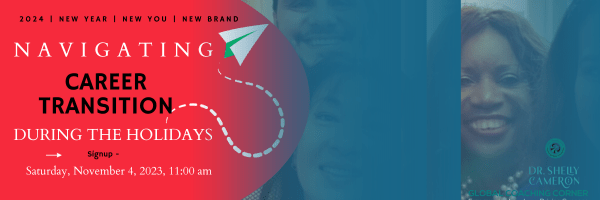
The holidays aren’t just for celebrations; they’re a golden opportunity to unwrap your career’s potential! -✨
Join us for the ‘Navigating Your Career Transition During the Holidays’ seminar, where you’ll discover how to embark on your career journey with renewed energy and clarity. Don’t wait for the new year—start building your dream career now.
📍 Where: Watch online
What You’ll Gain: –
Let the holiday season be the launchpad for your career transformation. Don’t miss this chance to make a significant leap in your professional life.
Secure your spot now and embrace a brighter, more promising career future!

The decision to leave an executive or professional role is a significant one, and careful planning is essential to ensure a smooth transition. In my book Ditch It Switch It, I shared stories of individuals who simply got up and resigned without thinking much about their next steps. Indeed, life on the job can be frustrating. At times you just want to walk away and give up. But before you do, stop and think it through.
As a leadership transition coach, here’s a comprehensive exit plan to guide you through this important process.
1. Self-Assessment and Reflection: Take the time to reflect on your career goals, values, and aspirations. Clarify your reasons for leaving and envision the path you want to take moving forward.
2. Goal Setting: Define clear short-term and long-term goals for your post-executive journey. Whether it’s starting your own venture, consulting, or taking on a different role, having specific goals will provide direction.
3. Skill and Knowledge Gap Analysis: Identify any skills or knowledge areas that need enhancement to align with your new goals. Consider professional development opportunities, courses, or certifications that will strengthen your skillset.
4. Networking and Relationship Building: Leverage your professional network to explore potential opportunities. Reach out to mentors, colleagues, and industry contacts to discuss your plans and seek advice.
5. Building a Personal Brand: Craft a compelling personal brand that highlights your expertise and aligns with your new goals. Update your LinkedIn profile, resume, and online presence to reflect your transition.
6. Financial Planning: Assess your financial situation and create a budget that supports your transition period. Consider factors like severance packages, savings, and potential income sources.
7. Knowledge Transfer: Collaborate with your team and colleagues to ensure a smooth knowledge transfer. Document important processes, projects, and responsibilities to facilitate the transition for your successor.
8. Successor Support: Provide support and mentorship to your successor, if applicable. Offer guidance during the transition period to set them up for success in their new role.
9. Emotional Preparation: Acknowledge the emotional aspect of leaving a role you’ve invested in. Prepare yourself mentally for the change and focus on the positive opportunities that lie ahead.
10. Communication Strategy: Craft a thoughtful communication plan for announcing your departure to your team, colleagues, and stakeholders. Emphasize the positive reasons for your transition and express gratitude for the experience.
11. Negotiating Exit Terms: Work closely with HR and legal departments to negotiate your exit terms, including timelines, compensation, benefits, and non-compete agreements.
12. Finalizing Responsibilities: Ensure that you wrap up any pending projects, delegate tasks effectively, and communicate the status of ongoing initiatives to stakeholders.
13. Leveraging Resources: Utilize Leadership career coaching, industry associations, and networking events to gather insights and support during your transition.
14. Launching the Next Chapter: Execute your plan with confidence. Utilize your goals, skills, and network to propel your career in the direction you’ve envisioned.
Remember, an executive or professional exit is an opportunity for growth and reinvention. With strategic planning, emotional readiness, and a strong support network, you can make a seamless transition to the next phase of your career journey. If you need further guidance or support throughout this process, don’t hesitate to connect. As a Certified Master Coach specializing in Leadership Transition, I am happy to help.
You may also sign up to attend Goal-Setting Retreat to prepare your 2024 strategies.

Doubt increases with inaction. Clarity reveals itself in momentum. Growth comes from progress. For all these reasons, BEGIN.
Brendon Burchard
My niece is a celebrity makeup artist. She has done many. When they come to see her, they come just as they are–plain, messy, but ready to rock. Together they work on their goals. What’s the problem? What’s the occasion (wedding, birthday celebration, rebranding)? What’s the purpose (new business, product, new album, video)? They then work together to make their goals beautiful.
Same with the healing power. The sick goes to the doctor to be healed. They’re not well. They try home remedies and nothing works. But pretty soon they come to the realization that they need help.
Coaching is just like that. Come messy. Come stuck. come with your frustrations, your limitations, procrastinations. We work together to identify goals, explore possibilities, get clarity, strategize follow through and make dreams come through.

COACHING: THE CONTEXT
Coaching is one of the most powerful tools because it acts as a catalyst. Coaching gives our clients the right motivation to take actions that make them successful. As coaches we provide inspiration, motivation, and encouragement to help our clients attain their goals. We seek to discover and understand context and help clients define key areas of leadership development that will lead to transformational outcomes.
That’s what we do. Let’s connect. Come messy, leave happy.
Have you ever experienced coaching? What was the outcome? Do share, we would love to hear.
Cheers!

I love nature and always choose to live near a lake, pond or stream. What comes with that is nature’s creatures like squirrels, ducks, and my worst fear –lizards! My fear of them makes me search to find them before they sneak upon me. My imagination runs wild as I think of their creepy, crawley features that makes me real scared. Mind you, it has not happened but my fear, like Cusps, makes it real to me…yikes!
Aren’t we all afraid of something? We sure are. But what is fear? Why are we afraid?
FEAR is an unpleasant emotion caused by the belief that someone or something is dangerous, likely to cause pain, or a threat.
Daymond John asked the question of entrepreneurs “What is your biggest fear?” The answers varied but most common were:
View original post 105 more words

“If you canimagine it,you can dream it.Dream itand you canbecome it.” - Walt Disney
For years Walt Disney’s quote…”If you can imagine it you can do it”, hung on my wall at home. I was able to see it every day. It stayed with me during all my dreams which became goals which later became reality. My studies, writings, books, and more, all became real because of my dreams.
But dreams don’t just come through by themselves. We have to plan, then work it. With hard work, dedication, persistence, and the will to achieve, they become real.
From a young age, my niece always wanted to do her best at making others beautiful. After graduating, she began working with a renowned makeup organization. She learnt from the best and with her innate desire for excellence, she…
View original post 91 more words
A photographer's view of the world - words and images to inspire your travels and your dreams
In this blog I'm attempting to answer wordpress daily prompts
Ellen Grace Olinger
Property Maintenance
embrace the magic
When God Says Go
Health, Reflection, and Poetry for the Journey of Life
Knowing every thing
Family. Youth. Parenting
Your Focus. Our Lens.