Subscribe to continue reading
Subscribe to get access to the rest of this post and other subscriber-only content.
Subscribe to get access to the rest of this post and other subscriber-only content.

If you want to change the world, pick up your pen and write.
Martin Luther
Are you a writer with a story burning to be told, but feeling overwhelmed by the traditional publishing maze? Listen to this electrifying workshop facilitated by Dr. Shelly Cameron on behalf of Nova Southeastern University’s Alvin Sherman Library. The tips and tricks will transform your publishing dreams from wishful thinking to strategic action.
In this game-changing discussion, you’ll discover the exact blueprint successful self-published authors use to launch their books, build their audience, and generate real income. We’ll pull back the curtain on the traditional vs self-publishing industry, revealing insider strategies that most writers never learn—from choosing the right platforms and mastering digital formatting to marketing techniques that actually sell books. Whether you’re a first-time author or a seasoned writer looking to take control of your publishing journey, this session promises to equip you with practical, immediately actionable insights. Stop waiting for someone else to validate your story. Listen and Learn how to become the author you’ve always dreamed of being—on your own terms, with your own power. Don’t miss your chance to revolutionize your writing career.
Many questions were asked throughout the presentation. Here are a 14.
If you’re interested in publishing your book, listen to the presentation and accompanying responses. If you need help, we are passionate about publishing. Reach out for help today and realize your publishing dream!
Happy Writing!

Before you speak, listen. Before you write, think. Before you spend, earn. Before you invest, investigate. Before you criticize, wait. Before you pray, forgive. Before you quit, try. Before you retire, save. Before you die, give. ~William Arthur Ward
Are you a writer living from paycheck to paycheck? Do you want to take that dream vacation but your pocket dictates otherwise? You may just want to purchase that long desired goal but can’t seem to come up with the funds. Well, why not try to boost your income creatively? Here are 10 methods that can turn your talent into money in a flash (legally of course – yikes)!
Sign up for sites like:
Tons of people need help polishing their resumes. You can charge $50–$200+ depending on your expertise.
Submit articles to platforms that pay per piece:
Offer ghostwriting for blog posts, social media captions, or even eBooks. It’s in high demand, especially for coaches and small businesses.
Writers are great editors! Offer fast-turnaround proofreading on Fiverr or Facebook groups.
Professionals always need help optimizing their online presence.
Great for fast typers. Websites like Rev or TranscribeMe pay per audio minute.
Many small biz owners want to start newsletters but don’t know where to begin.
Offer a mix of free content and a paid tier with extra goodies (writing tips, coaching, behind-the-scenes, etc.).
Did any of the above spark your interest to boost your earning potential? Any missing that you would like to add? Do share. We would love to hear.
Cheers!

Listening to the dulcet tones of a familiar voice is an appealing way to work our way through those books we’ve always meant to get around to, but haven’t.– Clare Thorp
You have written your book! Took it a step further and did the audiobook. Now what do you do? How do you get it into the hands of listeners? The options listed may help.
Consider these questions before you make your selection.
Absolutely thrilled to announce that Sharon Gordon’s debut book “Sheribaby is NOW AVAILABLE!
Journalist Sharon, is the talented 2025 Award winning Storyteller and niece of beloved Jamaica’s Singer Songwriter Beresford Hammond.
I met Sharon a decade ago when Reggae music matriarch Miss Patricia Chin, hosted my Success Strategies of Caribbean American Leaders book event at VP Records, New York.
It’s been such an honor to guide Sharon through the book publishing journey – from connecting her with Raquel, the perfect editor for her genre, to navigating publisher conversations and finally seeing her words in print.
Her dedication to the craft and willingness to embrace the publishing process made this success inevitable. This is why I do what I do!

Congratulations Sharon! Indeed, hard work pays off!
If you have been dreaming of becoming a published author but aren’t sure where to start, let Sharon’s journey inspire you. With the right guidance, YOUR story could be next on the shelves!
Order your copy of Sheribaby today https://a.co/d/5R50Nwu and follow Sharon’s author journey
Enjoy our literary conversation here.

The Stories We Carry
Aging is not for the weak. One day you wake up and realize that your youth is gone, but along with it, so go insecurity, haste, and the need to please… You learn to walk more slowly, but with greater certainty. You say goodbye without fear, and you cherish those who stay. Aging means letting go, it means accepting, it means discovering that beauty was never in our skin… but in the story we carry inside us.
Meryl Streep

SAY NO
Stop asking why they keep doing it and start asking why you keep allowing it.
Setting boundaries involves defining expectations and limits in relationship (Positive Psychology). Here are 5 characteristics to help balance your work/ life.
Here’s hoping these tips will help you achieve your work / life balance goals.
66 Percent of Projects fail to meet their original Business intent due to poor prioritization, while 96 percent of Leaders feel they are working with limited time and resources.


Begin with the end in mind. ~Steven Covey
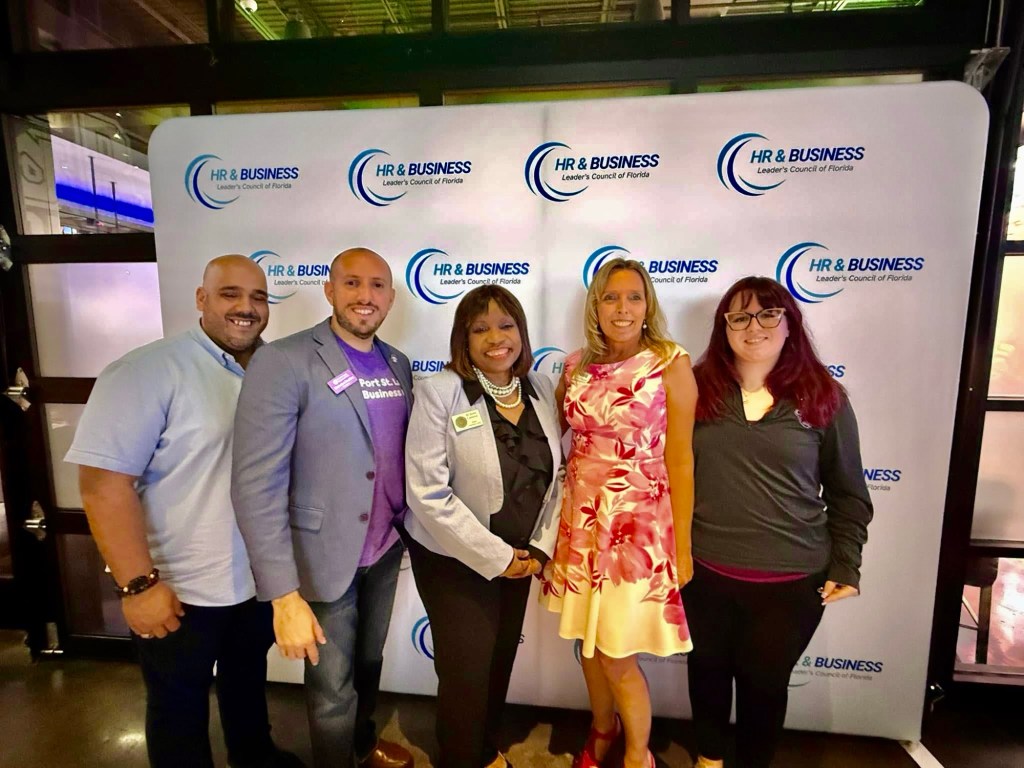
It was a pleasure to speak on the topic Prioritizing Workloads at the HR and Business Leader’s Council of Florida
Education, Social Impact and Networking event.
A fitting topic as 66% of Projects fail to meet their original Business intent due to poor prioritization, while 96% of Leaders feel they are working with limited time and resources.
As we forge through the new year, it’s statistics like these and the impact on organizational and personal stress that led to the Council’s forward thinking to bring it to the forefront of the business leader’s mind.
How can we prepare? How can leaders take charge of their limited resources to achieve better outcomes?
Covey steered strategists to Begin with the End in mind. 🎯 Prioritizing limited time and resources work wonders. Most of all learn to say ‘No’
to time wasters and set boundaries. 🚫
Suffice it to say, there was much to synergize and Dave & Buster’s Inc.
provided the right space.
It’s time to take charge of your priorities. Stay tuned for more on the Urgent vs. Important Matrix.

Before you are a leader, success is all about growing yourself. When you become a leader, success is all about growing others.” —Jack Welch
More than two decades ago I started my first leadership role. Always facing an audience through years of athletic performance, the arts, other leadership roles, I was always confident. But this was different. In my HR Leadership role, I faced responsibilities on behalf of the company. No more hiding behind other senior leaders. My boss gave me no choice but to step up to my full responsibilities.
After going through a bout of nervousness that lasted months, I found that it got easier each time. Before long, I prepared for each meeting when I had to address employees performance, achievements and areas of development across the region with confidence.
On observation these days, we see politicians and society’s leaders in public service assuming new roles. Consequently, the question was raised; “can a person from behind the scenes excel in a new public-facing role?” The answer is absolutely!
Public-facing means a role where the (individual) exercises managerial authority or control of an entity’s activities.
Here are 7+ points to prepare for a public-facing leadership role. Focus on:
Consistent practice and self-reflection are the keys to becoming an effective public-facing leader.
What has been your experience with getting ready for a leadership role? Did you use any of the above strategies? If so, what worked for you? Any other strategy that comes to mind? Do share, we would love to hear.
Cheers!

To live a fulfilled life, we need to keep creating the “what is next” of our lives. Without dreams and goals there is no living, only merely existing. – Mark Twain

Goals are the links in the chain that connect activity to accomplishment. —Zig Ziglar
Another year filled with regret at not achieving the goals Sabrina had set. Throughout her career she had helped others achieve their goals, yet it was at the expense of achieving her own personal goals. Something has to give.
If you are like Sabrina, here are some practical steps to help you achieve your goals:
Use tools like:
Follow these steps to achieve your goals as you step into a new phase of your career. Need help? Let’s connect
Cheers!

Decisions. Decisions
A new year paves the way for ‘change’. As we approach 2025 many of us will make decisions that will impact our lives. Decisions in our entrepreneurship roles, decisions in our relationships, career (stay or go), and in our personal and professional lives.

The question was asked on social media about decision-making. When making decisions do you make them using your ‘head’ or ‘heart’. Respondents quickly chimed in with 29% preferred ‘head’, while 71% preferred ‘heart’. Decided to break down head decisions vs. heart decisions and analyze their roles and characteristics in decision-making.


Which is Better?
Neither is “better” – both have their place
Heart-Only Decisions:
Real-World Example: Career Change Decision:
Heart Questions:
So there you have it. A thorough overview of when and how to make decisions with your head and heart. What type of decision-maker are you? Head or Heart? Do share, we would love to hear.
Motivate. Inspire Your Personal Growth & Development | Global Coaching Corner
A photographer's view of the world - words and images to inspire your travels and your dreams
In this blog I'm attempting to answer wordpress daily prompts
Ellen Grace Olinger
Property Maintenance
we see the same moon; you and i
When God Says Go
Health, Reflection, and Poetry for the Journey of Life
Knowing every thing
Family. Youth. Parenting